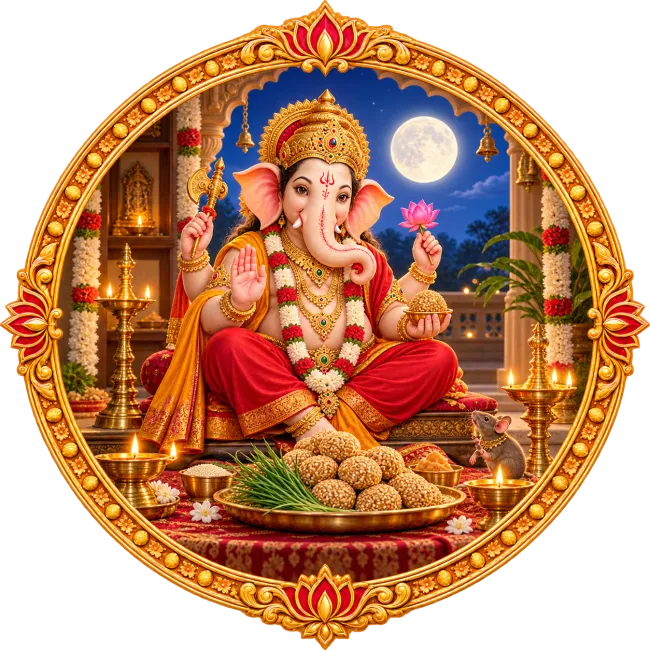
Significance of Tilkut in Sakat Chauth
Tilkut is a traditional offering made with sesame seeds and jaggery for Sakat Chauth in many North Indian households. It is offered to Lord Ganesha during the puja and shared as prasad afterward. Because Sakat Chauth is observed with prayers for children’s safety and well-being, preparing tilkut is a meaningful part of the family’s worship and food tradition.
In some families, the act of crushing or breaking the tilkut is symbolically associated with overcoming sankat, or difficulties. The ingredients, method of preparation, and way the prasad is offered vary by region. This content explains tilkut’s place in Sakat Chauth puja and the meaning families attach to it.
Sakat Chauth is observed on Magha Krishna Chaturthi with worship of Lord Ganesha and prayers for children’s welfare. In many families, tilkut is one of the principal foods prepared for the occasion. It is commonly made by combining sesame seeds with jaggery, though recipes and shapes differ across households.
During the evening puja, tilkut is placed among the offerings to Lord Ganesha. Devotees read or listen to the Sakat Chauth Vrat Katha and pray for their children’s health and safety. After the worship and the customary moon offering, tilkut may be distributed as prasad to family members and others.
Tilkut also carries a symbolic meaning in some local traditions. The practice of pounding or breaking it is associated with the hope that troubles affecting the family will be removed. Families may prepare it in a particular form, use other sesame sweets, or follow a different way of sharing the offering. These customs are part of the festival’s regional and household traditions.
This content describes why tilkut is closely linked with Sakat Chauth: it is prepared for the puja, offered with prayers, and shared with loved ones. Its significance comes from the devotion and family customs surrounding the offering.