Sawan Somvar Shiv Puja Vidhi
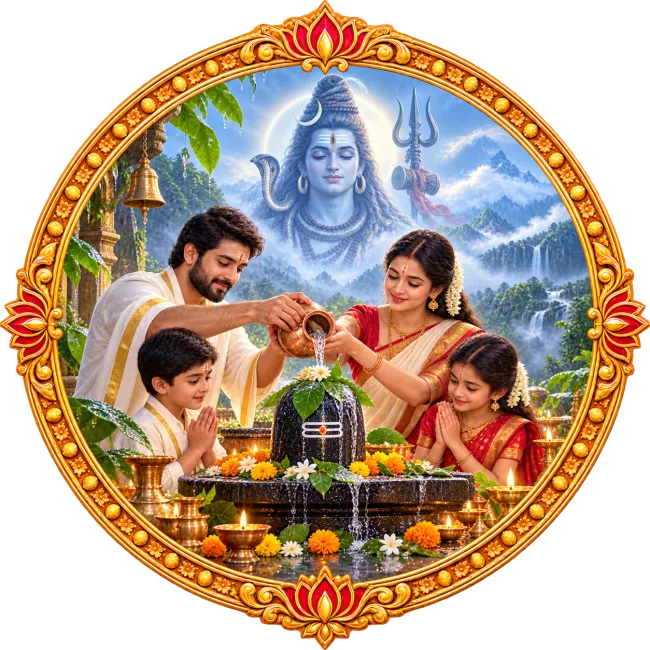
Sawan Somvar Shiv Puja is performed on Mondays during the month of Shravan. Devotees begin by bathing, cleaning the worship space, and preparing an image of Lord Shiva or a Shiva lingam for puja. Water, bel leaves, flowers, a lamp, incense, fruits, and other customary offerings are arranged. During worship, devotees offer water to the Shiva lingam, present the puja items, chant “Om Namah Shivaya,” and pray for peace and family well-being.
Many families also read or listen to the Sawan Somvar Vrat Katha and perform aarti. Those observing a fast complete it according to their household tradition. The offerings, order of worship, and fasting practices may vary between families. This content explains the main steps of Sawan Somvar Shiv Puja from preparation through prayer and aarti.
The Mondays of Shravan, commonly called Sawan Somvar, are dedicated to the worship of Lord Shiva. Devotees visit a Shiva temple or prepare a clean space for puja at home. The worship is an opportunity to offer prayers for health, peace, and the welfare of loved ones.
Before beginning, devotees bathe and gather the puja items. A vessel of clean water, bel leaves, flowers, a lamp, incense, fruits, and prasad are commonly kept ready. At home, an image of Shiva or a Shiva lingam is placed in the worship area. Some families include milk or other offerings according to their tradition; the exact list of items is not the same everywhere.
During the puja, water is offered to the Shiva lingam, followed by bel leaves, flowers, and other prepared items. Devotees chant “Om Namah Shivaya” or say prayers familiar in their household. They may then read or listen to the Sawan Somvar Vrat Katha and perform aarti. After the worship, prasad is shared, and those keeping a fast break it according to their customary practice.
The timing of the puja, offerings, and method of completing the fast can differ by region and family. This description presents the principal stages of Sawan Somvar Shiv Puja in a clear sequence so readers can prepare for worship while following their own tradition.