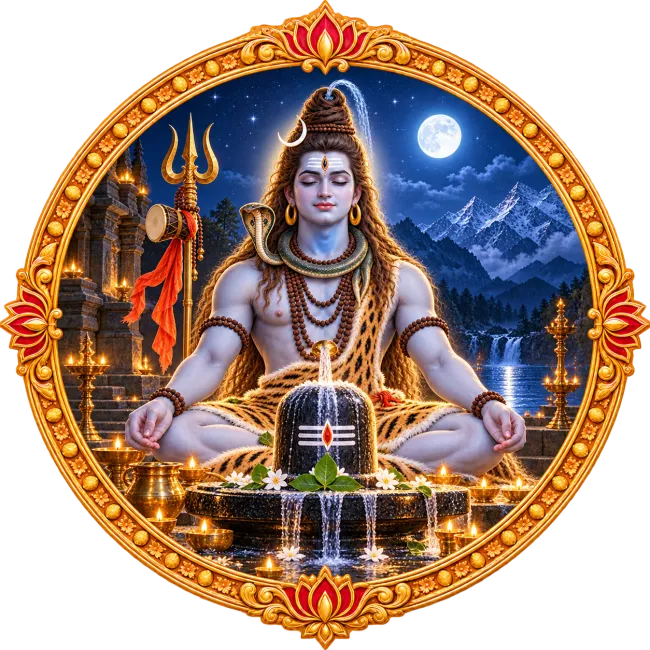
Maha Shivaratri Vrat Parana Vidhi
Maha Shivaratri Vrat Parana is the customary breaking of the fast after the night of Lord Shiva’s worship. Devotees who have performed the night puja or four-prahar worship offer their final prayers and complete the fast the following morning at the appropriate parana time. The exact time depends on the local panchang and the tithi followed for the observance.
Before parana, devotees may bathe, worship Lord Shiva, offer water and bel leaves, and perform aarti according to family tradition. They then break the fast with water, prasad, and food permitted by their household custom. Fasting practices differ, so the way the fast is completed may also vary. This content explains the preparation and main steps of Maha Shivaratri parana.
Parana marks the completion of Maha Shivaratri Vrat. Many devotees fast during the day and worship Lord Shiva at night. Some perform puja in all four prahars, while others attend temple worship or pray at home. After the night’s observance, the fast is broken the next morning according to the parana time shown in the local panchang.
Devotees prepare for parana by completing their prayers to Lord Shiva. In many families, they bathe, offer water and bel leaves to a Shiva lingam, and perform aarti before ending the fast. Prasad is then taken, followed by water and a meal according to the household’s practice. The foods prepared for parana and the order in which they are consumed may differ between families.
The parana time should be checked for the devotee’s location because the start and end of the relevant tithi vary. The form of the fast also differs: some people observe it without food, some take fruit or milk, and others follow a different family practice. The method of breaking the fast can be guided by that practice and the devotee’s health needs.
This description explains the main stages of Maha Shivaratri Vrat Parana, from completing Shiva worship to offering a final prayer and having prasad or a meal. It helps readers understand how the fast is traditionally concluded after the night of worship.