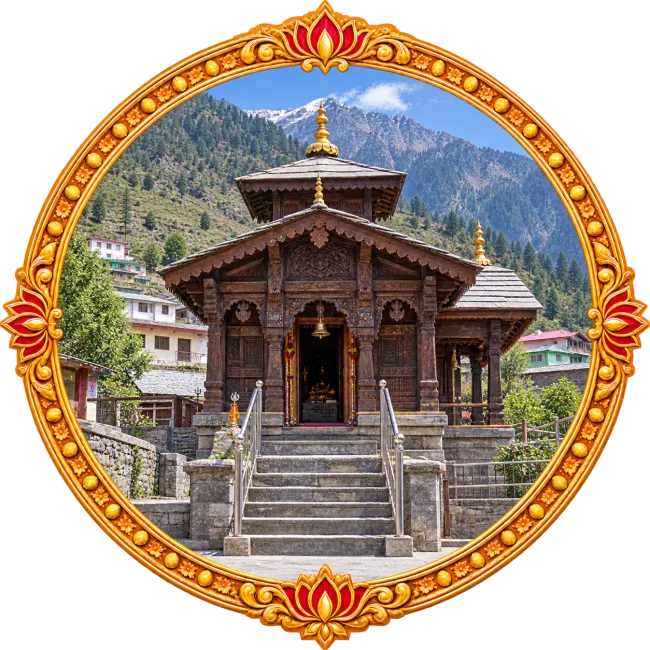
Yamuna Temple, Kharsali
Visit Yamuna Temple in Kharsali, the sacred winter seat of Goddess Yamuna in Uttarakhand. Situated near Janki Chatti in Uttarkashi district, the village is also known as Khushimath and holds an important place in the religious traditions of Yamunotri.
When Yamunotri Temple closes for winter, the goddess’s ceremonial image is brought to Kharsali for continued worship. The temple offers devotees an opportunity to experience Maa Yamuna’s winter darshan amidst the mountains and village surroundings of the upper Yamuna valley.
About Yamuna Temple
Yamuna Temple is dedicated to Goddess Yamuna, worshipped as a divine mother and the sacred personification of the Yamuna River.
Kharsali forms an important connection between the summer pilgrimage to Yamunotri and the winter traditions maintained in the valley. Its significance comes from the continuing worship of the goddess when the higher shrine becomes inaccessible during the snowy season.
For pilgrims, visiting Kharsali is an opportunity to understand how Himalayan temple traditions adapt to the seasons while preserving daily devotion.
The village also contains the historic Shani Dev Temple, associated with Lord Shani, the brother of Goddess Yamuna.
History and Winter Worship Tradition
The religious history of Yamuna Temple is closely connected with the seasonal movement of the goddess’s ceremonial image between Yamunotri and Kharsali.
On Bhai Dooj, after the closing rituals at Yamunotri, the image of Maa Yamuna travels to Kharsali in a ceremonial palanquin. Priests and devotees accompany the procession, welcoming the goddess to her winter seat.
This tradition ensures that worship continues after the higher shrine closes. The goddess remains at Kharsali until the spring reopening of Yamunotri on Akshaya Tritiya.
The procession is more than a journey between two temples. It connects the surrounding communities, their inherited responsibilities and the annual cycle of Himalayan pilgrimage.
Goddess Yamuna and Her Divine Family
In Hindu tradition, Goddess Yamuna is the daughter of Surya, the Sun God, and the sister of Yama, the god associated with death and righteousness. Lord Shani is also revered as her brother.
The relationship between Yamuna and Yama gives special religious importance to Yama Dwitiya, popularly celebrated as Bhai Dooj.
According to the traditional story, Yamuna welcomed her brother Yama with affection and hospitality. The occasion became associated with prayers for the well-being of brothers and the loving bond between siblings.
At Kharsali, the goddess’s connection with Shani Maharaj is expressed through local procession traditions. The presence of both deities gives the village a distinctive religious identity.
Religious Significance of Yamuna Temple
Goddess Yamuna is worshipped as a source of purity, compassion and spiritual nourishment. Devotees offer prayers for peace, family welfare and strength during difficult times.
The temple is especially meaningful for those seeking winter darshan of Maa Yamuna.
Devotees visit with prayers for:
Peace and harmony within the family
Spiritual purification
The well-being of brothers and sisters
Courage during challenging circumstances
Gratitude for water and nature
Progress in devotional life
Reverence for the goddess also encourages respect for the river. Keeping the valley clean and avoiding pollution are practical expressions of this devotion.
Main Deity and Winter Darshan
The focus of winter worship is the ceremonial image of Goddess Yamuna brought from Yamunotri.
This image is associated with the annual procession and the continuation of rituals at Kharsali. Devotees receive darshan and participate in the devotional atmosphere created by prayers and Aarti.
Winter worship includes daily Puja and the recitation of the Yamuna Panchang. These observances maintain the temple’s religious routine during the goddess’s seasonal residence.
Temple Setting and Architecture
The temple stands within a Himalayan village known for traditional houses built with wood and stone. The surrounding settlement, mountain slopes and narrow village paths contribute to the character of the pilgrimage.
Visitors should distinguish the Yamuna shrine from Kharsali’s historic, tower-like Shani temple. The architectural features of the old Shani structure should not automatically be attributed to the Yamuna temple.
The broader village setting offers an opportunity to appreciate how local building traditions respond to mountain terrain and climate.
Yamuna Temple Timings
The following table covers the winter worship period and the documented evening Aarti schedule.
Morning Puja and Darshan
Morning worship forms part of the daily devotional routine during Maa Yamuna’s winter residence.
Devotees can approach the shrine with simple offerings and spend time in prayer. A morning visit also allows time to explore Kharsali before continuing with the day’s journey.
Warm clothing is useful even on sunny mornings, as shaded village paths and temple surroundings can remain cold.
Evening Puja and Aarti
Evening Aarti is an important part of worship at the Yamuna temple. It provides an opportunity for devotees to gather in prayer and offer gratitude to the goddess.
The ceremony brings the day’s devotional activities towards their conclusion through the offering of light and sacred recitation.
Visitors attending evening worship should arrange their return journey in advance, particularly when staying outside Kharsali.
Festivals and Important Religious Occasions
Bhai Dooj
Bhai Dooj marks the beginning of the goddess’s winter residence after the closure of Yamunotri. The arrival of the ceremonial procession is one of Kharsali’s most important religious occasions.
Akshaya Tritiya
Akshaya Tritiya marks the seasonal return towards Yamunotri. The departure connects the winter shrine with the beginning of the higher temple’s pilgrimage season.
Winter Pilgrimage
The winter months offer a different experience from the main Char Dham season. Devotees visit the goddess in a village setting, where local worship continues despite the seasonal closure of Yamunotri.
Offerings at Yamuna Temple
Devotees may bring simple offerings such as flowers, fruit and sweets, presenting them in the designated worship area.
A visit can also include quiet prayer, mantra recitation or a contribution towards temple service.
Avoid leaving offerings, packaging or plastic near waterways. Flowers and other religious materials should be placed only where arrangements exist for their collection.
How to Reach Yamuna Temple
By Air
Jolly Grant Airport near Dehradun is a practical air gateway for the journey. Continue by road towards Barkot and the Janki Chatti region.
By Train
Dehradun, Haridwar and Rishikesh provide railway connections for travellers approaching the Garhwal Himalayas. The onward journey to Kharsali is by road.
By Road
The approach follows the Yamunotri route through Barkot, Hanuman Chatti and Janki Chatti. The final approach to the shrine involves walking through the village.
Plan mountain travel during daylight and allow additional time during rain, snowfall or road disruptions.
Nearby Places to Visit
Shani Dev Temple: The historic shrine dedicated to Goddess Yamuna’s brother.
Janki Chatti: The main starting point for the Yamunotri trek.
Yamunotri Temple: The goddess’s higher Himalayan shrine, visited during its open season.
Hanuman Chatti: A settlement on the approach through the Yamuna valley.
Kharsali Village: A place to experience local architecture and pilgrimage traditions.
Yamunotri requires a separately planned trek; it is not a short walk from the winter temple.
Important Visitor Guidelines
Wear modest clothing and remove footwear where required.
Carry warm layers and shoes with a firm grip.
Walk carefully on wet, icy or uneven paths.
Keep the worship area quiet.
Respect restrictions on photography.
Avoid obstructing ceremonies or processions.
Carry essential medicines and drinking water.
Keep village paths and waterways clean.
Follow weather-related road restrictions.
Respect the privacy of local residents.
Conclusion
Yamuna Temple in Kharsali preserves the continuity of Maa Yamuna’s worship through the Himalayan winter.
Its importance lies in the goddess’s seasonal residence, the processions linking Kharsali with Yamunotri and the devotion maintained by the local community. A visit offers time for prayer and a closer understanding of the living religious traditions of Uttarakhand.