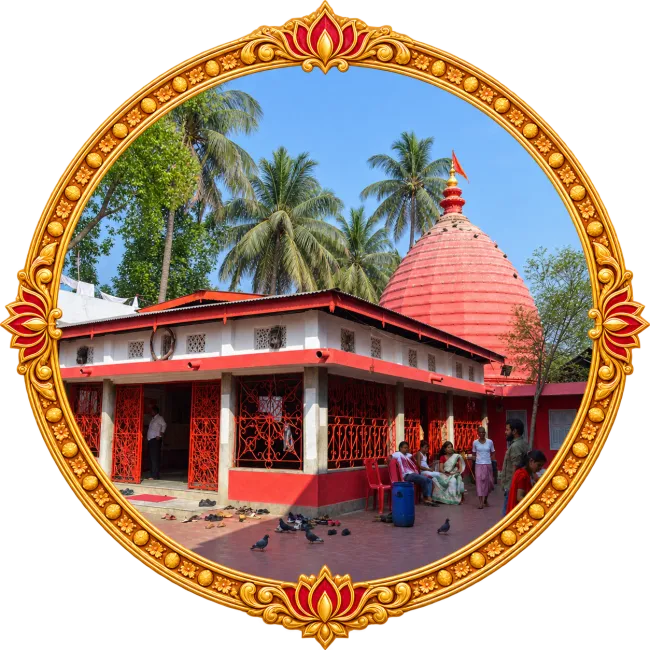
Ugratara Temple, Guwahati
Ugratara Temple is an important Shakti and Tantric shrine located in the Uzan Bazaar area of Guwahati, Assam. Dedicated to Goddess Ugratara, a fierce manifestation of Goddess Tara, the temple is one of the city’s most significant religious destinations after Kamakhya Temple.
Built in 1725 CE by Ahom king Siva Singha, the temple is associated with Shakti Peetha traditions and the worship of the ten Mahavidyas. Unlike conventional temples, its principal sanctum does not contain a large anthropomorphic idol. The Goddess is worshipped through a sacred water-filled pit representing her divine presence.
About Ugratara Temple
Ugratara Temple is situated near Jorpukhuri, a pair of historic ponds in central Guwahati. The shrine is dedicated to Ugratara, the fierce and protective form of Goddess Tara.
The word Ugra means fierce, powerful or intense, while Tara means the Goddess who carries devotees across suffering and fear. Ugratara therefore represents the force that destroys ignorance, protects worshippers and grants spiritual liberation.
Goddess Tara is one of the ten Mahavidyas. Her worship is especially important in Shakta and Tantric traditions. Although her appearance is fierce, devotees regard her as a compassionate mother.
When Was Ugratara Temple Built and Who Built It?
The present Ugratara Temple was built in 1725 CE by the Ahom ruler Swargadeo Siva Singha.
Siva Singha and his queens were important patrons of Hindu temples and Shakti worship in Assam. During his reign, several shrines received royal support, land grants and facilities for regular worship.
A large pond was excavated beside the temple to provide water for religious and community purposes. This water body later became known as Jorpukhuri because it consists of two connected ponds.
The temple was damaged by earthquakes and weather over the centuries. It underwent repeated repairs, but its original association with the Ahom period remains central to its identity.
Ugratara Temple as a Shakti Peetha
Ugratara Temple is connected with the sacred story of Goddess Sati and Lord Shiva.
King Daksha organised a grand yajna but did not invite Sati and Shiva. Sati attended the ceremony, where her father insulted Lord Shiva. Unable to tolerate the humiliation, she entered the sacrificial fire.
Lord Shiva carried her body and began performing the destructive Tandava. To protect creation, Lord Vishnu divided Sati’s body with the Sudarshana Chakra. The parts fell at different locations, which became sacred Shakti Peethas.
According to the regional tradition associated with Ugratara, the navel of Goddess Sati fell at this location. The Goddess is consequently worshipped as a source of life, creative energy and spiritual power.
Sacred Sanctum
The Garbhagriha of Ugratara Temple differs from those of most Hindu shrines. Instead of a conventional standing idol, a sacred pit filled with water represents the Goddess.
The sanctum is kept decorated with flowers, red cloth, sindoor and ritual objects. The water is regarded as spiritually powerful and connected with the presence of the Divine Mother.
This form of worship reflects ancient Shakta traditions in which natural formations, springs, stones and pits represented the creative energy of the Goddess.
Religious Significance
Ugratara is worshipped as a protective Goddess who destroys fear and negative forces. Tantric practitioners also regard her as a source of knowledge and liberation.
Devotees visit the temple to pray for:
Protection from danger
Courage and confidence
Relief from fear
Good health
Family welfare
Marriage and children
Success in education and employment
Freedom from negative influences
Spiritual wisdom
Fulfilment of wishes
The temple is particularly important during Navratri, Kali Puja and the annual Ambubachi period.
Architecture of Ugratara Temple
The temple displays characteristics associated with later Ahom architecture. The main structure has a compact sanctum crowned by a dome-like superstructure.
The exterior is comparatively simple, while the inner worship area contains traditional lamps, bells, flowers and Shakta symbols.
The temple complex includes:
Main sanctum of Goddess Ugratara
Prayer and offering area
Havan space
Smaller shrines
Temple courtyard
Queue passages
Jorpukhuri ponds
Donation and offering counters
Jorpukhuri adds a peaceful natural setting to the shrine. Visitors should keep the pond and surrounding area clean.
Ugratara Temple Timings
The temple follows separate morning and evening darshan sessions. Timings may be extended during Navratri, Kali Puja and other important festivals.
Special ceremonies may temporarily affect general darshan. Visitors should follow the schedule displayed at the temple entrance.
Morning Puja and Aarti
The temple day begins at 5:30 AM with purification of the sanctum and Mangal Puja. Morning Aarti is performed at 6:00 AM.
The morning rituals include:
Opening and cleaning of the sanctum
Offering of sacred water
Red cloth and flower decoration
Application of sindoor
Mantra chanting
Incense and lamp offering
Naivedya
Morning Aarti
General morning darshan continues after the principal Puja and decoration have been completed.
Bhog and Evening Aarti
Bhog is offered to Goddess Ugratara at 12:30 PM. It can include cooked Satvik food, fruits, sweets and other ceremonial items.
The temple closes at 1:00 PM and reopens at 4:00 PM. Evening worship begins at 6:30 PM, followed by Aarti at 7:00 PM.
Shayan Puja is performed before the temple closes at 8:00 PM.
Major Festivals
Navratri
Both Chaitra and Sharadiya Navratri are celebrated with special Puja, Havan, Chandi Path and daily decoration of the Goddess.
Kali Puja
Kali Puja is one of the most important occasions at Ugratara Temple. Special night worship and Tantric rituals are performed.
Durga Ashtami
Durga Ashtami is observed with elaborate worship, offerings and Kanya Pujan.
Ambubachi
The Ambubachi period is closely associated with Shakti worship in Guwahati. Although the largest gathering takes place at Kamakhya, Ugratara Temple also receives many devotees.
Manasha Puja
Goddess Manasha is worshipped during the monsoon for protection from snakebite and other dangers.
Diwali
The temple is illuminated with lamps, and devotees pray for protection, prosperity and family welfare.
Puja and Religious Services
Available ceremonies may include:
General Puja
Special Ugratara Puja
Tara Mantra worship
Chandi Path
Durga Saptashati Path
Havan
Navratri Puja
Kali Puja
Family welfare prayers
Marriage-related Puja
Child-blessing ceremony
Thanksgiving worship
Puja arrangements should be made only through authorised priests or temple counters.
Offerings and Prasad
Traditional offerings include:
Red hibiscus flowers
Red cloth
Sindoor
Coconut
Fruits
Sweets
Incense
Clarified butter
Bangles
Shringar materials
Monetary donations
Animal sacrifice has historically formed part of certain Shakta rituals at the shrine. Devotees who prefer non-animal offerings may present coconut, pumpkin, fruits or sweets according to temple practices.
Prasad generally includes sweets, coconut, fruits, dry items and blessed flowers.
Dress Code and Temple Rules
There is no strict dress code, but devotees should wear clean and modest clothing.
Important rules include:
Remove footwear before entering.
Follow the designated queue.
Maintain silence near the sanctum.
Do not touch the sacred pit without permission.
Follow photography restrictions.
Keep the temple and Jorpukhuri clean.
Avoid alcohol and tobacco.
Deposit donations only at authorised counters.
Respect Shakta and Tantric traditions.
Protect valuables in crowded areas.
Entry Fee and Darshan Duration
General entry and darshan are free. Charges apply only to optional special Pujas, offerings and ritual materials.
Darshan generally requires 20–45 minutes. Tuesdays, Saturdays, Navratri and Kali Puja can be considerably busier.
Best Time to Visit
October to March is the most comfortable period for visiting Guwahati. The weather remains suitable for temple visits and local sightseeing.
Navratri and Kali Puja offer the most elaborate ceremonies but attract large crowds. For a peaceful visit, devotees should arrive between 8:00 AM and 10:00 AM on a weekday.
The monsoon brings heavy rainfall and humidity. Visitors should carry an umbrella and exercise caution on wet surfaces.
How to Reach Ugratara Temple
By Air
Lokpriya Gopinath Bordoloi International Airport is approximately 25 kilometres from the temple. Taxis and app-based cabs are available.
By Train
Guwahati Railway Station is approximately 2 kilometres from the temple.
By Road
Ugratara Temple is easily accessible by city bus, taxi, auto-rickshaw and private vehicle.
Accommodation and Facilities
Hotels, guest houses and budget lodges are available throughout central Guwahati. Paltan Bazaar, Pan Bazaar and Uzan Bazaar provide convenient accommodation.
Facilities near the temple include drinking water, shoe-storage space, prasad shops, food outlets, local transport and basic visitor services.
Nearby Places to Visit
Jorpukhuri: Historic twin ponds beside the temple.
Umananda Temple: A Shiva shrine on an island in the Brahmaputra.
Kamakhya Temple: Guwahati’s principal Shakti Peetha.
Navagraha Temple: A temple dedicated to the nine planetary deities.
Assam State Museum: A museum of Assamese history and culture.
Dighalipukhuri: A historic lake in central Guwahati.
Brahmaputra Riverfront: Known for sunset views and cruises.
Basistha Ashram: A sacred site associated with Sage Vashishtha.
Conclusion
Ugratara Temple is an important Shakti shrine where Goddess Tara is worshipped in a powerful and unusual water-filled form. Built by Ahom king Siva Singha in 1725 CE, the temple preserves the royal, religious and Tantric heritage of Assam.
Its sacred sanctum, historic Jorpukhuri ponds, daily Aartis and Navratri celebrations create a distinctive spiritual environment. Devotees visit Ugratara to seek courage, protection, wisdom and freedom from fear.