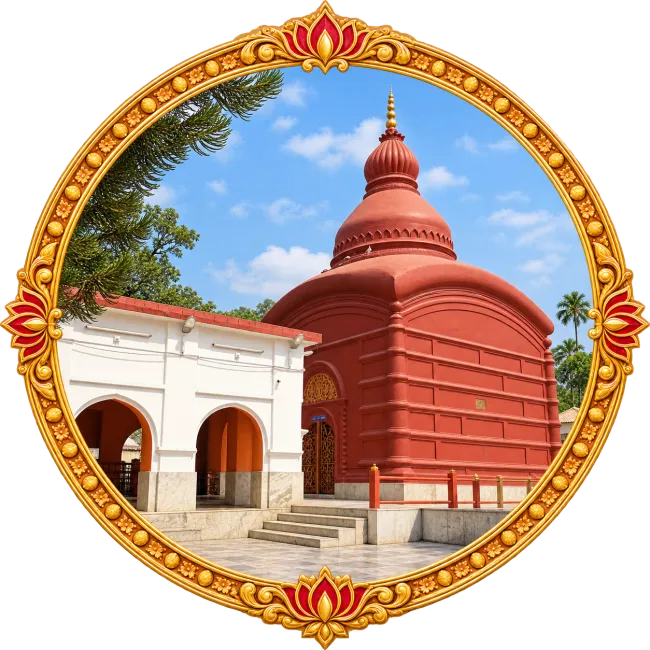
Tripura Sundari Temple
Tripura Sundari Temple is one of the most revered Shakti shrines in India. Located at Udaipur in the Gomati district of Tripura, the temple is dedicated to Goddess Tripura Sundari, a powerful and compassionate manifestation of Goddess Shakti. The shrine is popularly known as Matabari, meaning the sacred home of the Divine Mother.
Built in 1501 CE by Maharaja Dhanya Manikya, the temple is traditionally counted among the 51 Shakti Peethas. Its ancient history, distinctive Bengali-style architecture, sacred idol and annual Diwali Mela make it the most prominent Hindu pilgrimage destination in Tripura.
About Tripura Sundari Temple
Tripura Sundari Temple is situated on a small hill near Udaipur, approximately 55 kilometres from Agartala. The Goddess is worshipped as Tripureshwari, Tripura Sundari or Matabari Devi.
Tripura Sundari means “the most beautiful Goddess of the three worlds.” She is identified with Lalita Tripurasundari, one of the ten Mahavidyas in the Shakta tradition. She represents beauty, wisdom, prosperity, compassion and supreme consciousness.
The sacred temple stands on a hillock whose shape is traditionally compared to the back of a tortoise. In Tantric tradition, such a site is called a Kurma Peetha and is considered highly auspicious for Shakti worship.
Two sacred images are worshipped inside the sanctum:
The principal image of Goddess Tripura Sundari
A smaller image popularly known as Chhoti Maa
Both images are made from dark stone and are treated as living manifestations of the Divine Mother.
When Was Tripura Sundari Temple Built and Who Built It?
Tripura Sundari Temple was built in 1501 CE by Maharaja Dhanya Manikya, one of the most important rulers of the Manikya dynasty.
According to royal tradition, Maharaja Dhanya Manikya originally intended to establish a temple dedicated to Lord Vishnu. Before the temple was completed, the Goddess appeared to him in a dream and instructed him to bring her sacred image from Chittagong and install it at the site.
The king followed the divine command and installed the image of Goddess Tripura Sundari in the newly constructed temple. Since the temple had originally been planned for Lord Vishnu, the sacred Shaligram associated with Vishnu also remained within the shrine.
This combination of Shakta and Vaishnava worship is an important characteristic of the temple. It demonstrates the religious harmony encouraged by the Manikya rulers.
The temple was repaired and renovated by later kings of Tripura. Additional improvements, pilgrim facilities and administrative structures were developed over time, but the shrine continues to preserve the architectural identity of its original period.
Tripura Sundari Temple as a Shakti Peetha
The temple’s sacred status is connected with the story of Goddess Sati and Lord Shiva.
Sati was the daughter of King Daksha and the wife of Lord Shiva. Daksha organised a grand yajna but did not invite Shiva and Sati. Sati nevertheless attended the ceremony, where her father publicly insulted Lord Shiva.
Unable to tolerate the humiliation, Sati entered the sacrificial fire and gave up her life. Lord Shiva was overcome with grief and carried her body across the universe while performing the destructive Tandava.
To protect creation, Lord Vishnu used his Sudarshana Chakra to divide Sati’s body. The parts fell at different locations, which became sacred Shakti Peethas.
According to the tradition associated with Tripura Sundari Temple, the right foot or toe of Goddess Sati fell at Matabari. The Goddess is worshipped here as Tripura Sundari, while the associated Bhairava is known as Tripuresh or Nal.
Goddess Tripura Sundari
Tripura Sundari is one of the ten Mahavidyas, the great wisdom manifestations of the Divine Mother. She is also called Shodashi because she represents the complete beauty and spiritual energy of a sixteen-year-old Goddess.
Her name has a profound philosophical meaning:
- Tri represents three.
- Pura refers to cities, worlds or levels of existence.
- Sundari means the beautiful Goddess.
She is therefore the beauty and consciousness pervading the physical, subtle and spiritual worlds. Devotees worship her for worldly prosperity as well as liberation from ignorance.
The Principal Idol and Chhoti Maa
The main idol of Tripura Sundari is carved from dark stone and is approximately five feet tall. The Goddess is represented in a traditional form associated with Shakti worship.
A smaller stone image, approximately two feet tall, is installed beside the principal deity. It is lovingly called Chhoti Maa.
According to tradition, the smaller image was carried by the kings of Tripura during military campaigns and important journeys. Chhoti Maa was worshipped as the protector of the royal family and the kingdom.
Both images receive daily Puja, Shringar, Bhog and Aarti.
Religious Significance
Tripura Sundari Temple is the central Shakti shrine of Tripura. Devotees believe that the Goddess protects the state and grants blessings to those who worship her sincerely.
People visit Matabari to pray for:
- Protection from danger
- Good health and recovery
- Marriage and children
- Family welfare
- Prosperity and financial stability
- Success in education and employment
- Victory over obstacles
- Courage and spiritual strength
- Relief from fear and negative influences
- Fulfilment of wishes
The shrine is particularly important to followers of Shaktism and Tantric traditions. Its Kurma-shaped location is regarded as a powerful place for meditation, mantra recitation and spiritual practice.
Architecture of Tripura Sundari Temple
The temple displays a traditional Bengali architectural style with features characteristic of the medieval temples of eastern India. The structure has a square base and a curved roof crowned by a dome-like finial.
The temple stands on an elevated platform reached by steps. Its compact Garbhagriha houses the two sacred images.
Architectural features include:
- Curved Bengali-style roof
- Square sanctum
- Elevated platform
- Conical crown and finial
- Thick masonry walls
- Arched entrance
- Prayer and offering space
- Surrounding pilgrim courtyard
The temple’s red-and-white exterior creates a striking appearance against the green landscape.
Kalyan Sagar
A large sacred pond called Kalyan Sagar is situated beside the temple. Devotees consider the pond holy and often spend time near it after completing darshan.
The pond is known for its fish and freshwater turtles. Visitors traditionally feed them, but only suitable food should be used. Plastic packets and harmful materials must not be thrown into the water.
Kalyan Sagar contributes to the peaceful atmosphere of the temple and is an important part of the Matabari pilgrimage.
Tripura Sundari Temple Timings
The temple follows a structured daily schedule. Special arrangements and extended darshan hours may be introduced during Diwali, Navratri and other major festivals.
Sunset-based ceremonies can be adjusted seasonally by the temple administration. Visitors should follow the daily ritual board displayed within the complex.
Morning Puja and Aarti
The temple opens before sunrise. Mangal Aarti is performed at 4:30 AM, marking the beginning of the day’s worship.
The early morning ceremonies include:
- Opening of the sanctum
- Lighting of sacred lamps
- Mangal Aarti
- Mantra chanting
- Incense offering
- Balya Bhog
- Ceremonial bathing
- Fresh clothes and Shringar
- Flower and jewellery decoration
- Main morning Puja
The Goddess receives Balya Bhog at 5:00 AM. The ceremonial bath and detailed Shringar are performed later in the morning before the main Puja.
Anna Bhog Puja
Anna Bhog is one of the most important daily ceremonies. Cooked food is offered to Goddess Tripura Sundari at 12:30 PM.
Traditional Bhog preparations include rice, lentils, vegetables, sweets and other ritual dishes prepared according to temple customs.
Devotees can receive Bhog prasad after it has been offered to the Goddess. Arrangements for sponsored Bhog should be completed through authorised counters.
Evening Puja and Aarti
Evening worship begins with the lighting of lamps and incense. Priests offer flowers and recite sacred hymns before performing Sandhya Aarti at 7:00 PM.
The illuminated temple and devotional chanting create a peaceful spiritual atmosphere. General darshan resumes after Aarti.
Shital Bhog and Shayan Puja are performed at 9:00 PM. These ceremonies conclude the day’s worship before the shrine closes.
Major Festivals
Diwali and Deepavali Mela
Diwali is the largest annual celebration at Tripura Sundari Temple. A grand fair known as the Diwali Mela is organised at Matabari.
Hundreds of thousands of devotees visit the shrine to offer prayers, light lamps and receive the blessings of the Goddess. The temple, Kalyan Sagar and surrounding areas are illuminated and decorated.
Special transport, security, medical and crowd-management arrangements are introduced during the festival.
Kali Puja
Maa Tripura Sundari is worshipped as a manifestation of Kali during Kali Puja. Special night worship, Aarti, offerings and mantra recitation are performed.
Chaitra Navratri
Chaitra Navratri is celebrated with special Puja, Havan, devotional recitation and offerings to the Goddess.
Sharadiya Navratri
The nine forms of Goddess Durga are worshipped during Sharadiya Navratri. The temple receives large numbers of pilgrims throughout the festival.
Durga Ashtami
Durga Ashtami is observed with special Shringar, Aarti, Havan and Kanya Pujan.
Bengali New Year
Devotees visit the temple on Poila Boishakh to seek blessings for prosperity and success in the new year.
Puja and Religious Services
Devotees may participate in religious services according to temple arrangements:
- General Puja
- Special Puja
- Mangal Aarti
- Bhog offering
- Tripura Sundari Puja
- Chandi Path
- Durga Saptashati Path
- Havan
- Navratri Puja
- Marriage-related prayers
- Child-blessing Puja
- Family welfare Puja
- Thanksgiving ceremony
- New-vehicle Puja
All Puja bookings, offerings and donations should be completed through authorised temple counters.
Offerings at Tripura Sundari Temple
Traditional offerings include:
- Red hibiscus flowers
- Red chunri
- Coconut
- Sindoor
- Bangles
- Sweets
- Fruits
- Dry fruits
- Incense
- Clarified butter
- Mata’s Shringar items
- Monetary donations
Animal sacrifice has historically formed part of some Shakta traditions in the region. Any ritual activity within the temple is governed by the temple administration and applicable regulations. Visitors should follow official instructions and respect differing religious sensitivities.
Prasad
The temple is particularly known for its peda, which is widely offered to Maa Tripura Sundari and distributed among devotees.
Other forms of prasad include:
- Anna Bhog
- Coconut
- Mishri
- Sweets
- Dry fruits
- Blessed flowers
Peda and prepared Puja plates are available from shops near the temple. Devotees should purchase food from clean and recognised establishments.
Dress Code and Entry Rules
There is no rigid ceremonial dress code, but visitors should wear clean, modest and comfortable clothing.
Important rules include:
- Remove footwear before entering.
- Follow the designated queue.
- Maintain silence near the sanctum.
- Do not touch the sacred idols.
- Follow photography restrictions.
- Keep the temple and Kalyan Sagar clean.
- Do not throw plastic or unsuitable food into the pond.
- Avoid alcohol, tobacco and non-vegetarian food in restricted areas.
- Deposit donations only at authorised counters.
- Follow security and temple staff instructions.
Entry Fee and Darshan Duration
General entry and darshan are free. Charges may apply to optional Pujas, Bhog offerings, ritual materials and other services.
On regular weekdays, darshan generally requires 30–60 minutes. Tuesdays, Saturdays and public holidays can be busier.
During Diwali Mela, Kali Puja and Navratri, waiting time may extend to several hours. Pilgrims should follow barricades and carry only essential belongings.
Best Time to Visit
October to March is the most comfortable period for visiting Tripura Sundari Temple. The weather remains suitable for travel and sightseeing.
Diwali is the best time for experiencing the temple’s grandest celebration, but it also brings the largest crowds.
Devotees seeking a peaceful darshan should choose a regular weekday and arrive between 6:00 AM and 8:00 AM. The monsoon season brings heavy rain and high humidity, although the temple remains accessible.
How to Reach Tripura Sundari Temple
By Air
Maharaja Bir Bikram Airport in Agartala is the nearest airport. It is approximately 65 kilometres from the temple.
Taxis and buses are available from Agartala to Udaipur and Matabari.
By Train
Udaipur Tripura Railway Station is the nearest railway station. It is approximately 5 kilometres from the temple.
Agartala Railway Station provides additional connections with major cities in northeastern India and other parts of the country.
By Road
Udaipur is well connected with Agartala, Sabroom, Belonia and other towns in Tripura. Government buses, private buses, shared vehicles and taxis are available.
Accommodation and Facilities
Hotels, guest houses and tourist lodges are available in Udaipur. Additional accommodation options can be found in Agartala.
Facilities near the temple include:
- Drinking water
- Toilets
- Shoe-storage counters
- Prasad shops
- Vegetarian food outlets
- Parking
- Medical assistance
- Police and security posts
- Pilgrim resting areas
- Public transport
- Religious-item shops
Accommodation should be booked well in advance during Diwali Mela.
Nearby Places to Visit
- Kalyan Sagar: The sacred pond beside the temple.
- Bhubaneswari Temple: A historic temple associated with the Manikya rulers.
- Udaipur’s Ancient Temple Complexes: Sacred sites reflecting Tripura’s royal heritage.
- Neermahal: A magnificent water palace in Rudrasagar Lake.
- Sepahijala Wildlife Sanctuary: A forest and wildlife destination.
- Jagannath Temple, Agartala: A prominent Vaishnava temple.
- Ujjayanta Palace: A historic royal palace and museum in Agartala.
- Chabimura: Known for rock carvings along the Gomati River.
Visitor Guidelines
Carry a valid identity document, drinking water and essential medicines. Wear comfortable footwear because walking and standing may be required.
Avoid feeding the fish and turtles with plastic-wrapped or unsuitable food. During festivals, follow traffic diversions, queue systems and security instructions.
Confirm Puja and Bhog charges at authorised counters. Take care of children, elderly family members and personal belongings in crowded areas.
Conclusion
Tripura Sundari Temple is the spiritual heart of Tripura and one of India’s most significant Shakti Peethas. Built by Maharaja Dhanya Manikya in 1501 CE, the shrine combines ancient Shakta worship, Manikya royal history and distinctive Bengali architecture.
The sacred images of Tripura Sundari and Chhoti Maa, the Kurma-shaped hill, Kalyan Sagar and the grand Diwali Mela create a unique pilgrimage experience. Devotees visit Matabari to seek protection, prosperity, wisdom and the compassionate blessings of the Divine Mother.