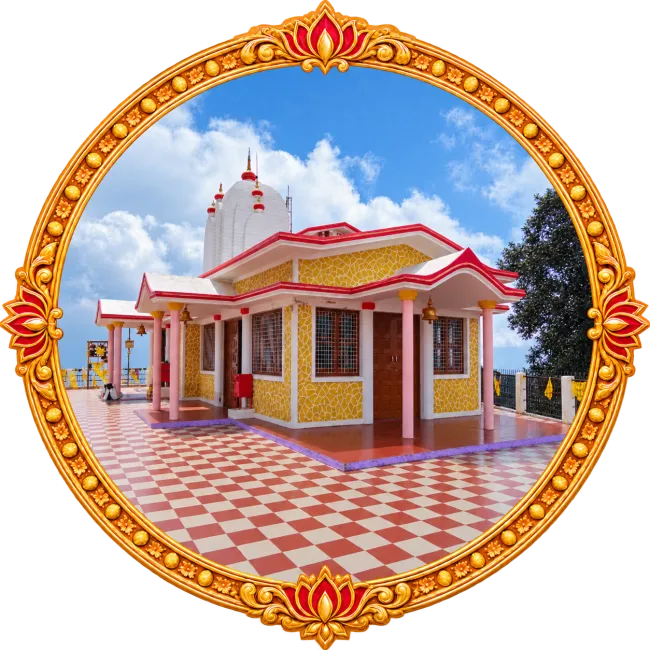
Thal Kedar Temple, Pithoragarh
Visit Thal Kedar Temple in Pithoragarh, a sacred hilltop shrine dedicated to Lord Shiva. Situated in the Kumaon region of Uttarakhand, the temple brings together an old tradition of Shiva worship, a mountain pilgrimage and views of the surrounding valleys.
The journey includes an uphill walk, making the approach an important part of the experience. Devotees visit for darshan, prayers and the annual Mahashivratri celebrations, while the surrounding landscape also attracts visitors interested in walking and nature.
About Thal Kedar Temple
Thal Kedar Temple is an important Shiva shrine near Pithoragarh. Lord Shiva is worshipped here as Mahadev, and the site forms part of the region’s religious landscape.
The temple stands on a hill reached through a narrow walking route. Its setting offers views over the surrounding valleys and mountain slopes.
Thal Kedar is associated with the Skanda Purana in local religious accounts. Its importance continues through worship, pilgrimage and gatherings during Shivratri.
For visitors staying in Pithoragarh, the shrine can be planned as a separate outing with sufficient time for the road journey, ascent, darshan and return walk.
History of Thal Kedar Temple
Thal Kedar belongs to the older tradition of Shiva worship in Kumaon. The temple is commonly associated with the Katyuri period, although this attribution is a historical tradition rather than a precisely dated construction record.
Its religious significance is connected with the wider sacred geography of Pithoragarh, where hilltop shrines, caves and village temples have remained centres of devotion over generations.
The continuing pilgrimage is an important part of this history. Local families and visiting devotees maintain their relationship with the shrine through prayer, offerings and participation in religious occasions.
The temple’s hilltop location also reflects a familiar feature of Himalayan worship: the journey towards the shrine requires physical effort and provides time for reflection.
Religious Significance of Thal Kedar Temple
Thal Kedar is dedicated to Lord Shiva, revered as the deity of compassion, spiritual transformation and liberation.
Devotees approach Mahadev with prayers for peace, courage and the ability to fulfil their responsibilities. The pilgrimage offers an opportunity to turn attention away from everyday distractions and towards devotional practice.
Visitors commonly pray for:
Peace and harmony within the family
Strength during difficult circumstances
Clarity in important decisions
Patience and self-discipline
The well-being of loved ones
Spiritual progress
Gratitude for blessings received
The importance of the visit lies in sincere worship. A short prayer, quiet remembrance of Shiva or respectful participation in a ceremony can make the pilgrimage meaningful.
Main Deity and Worship
The principal deity is Lord Shiva in the form of a Shivling.
The Shivling represents Shiva’s sacred presence and forms the focus of darshan and offerings. Devotees may recite Shiva prayers or the mantra:
Om Namah Shivaya
This mantra expresses reverence for Lord Shiva and is widely used in personal worship.
Inside the shrine, keep offerings ready and allow other visitors sufficient space. During any ongoing ritual, avoid moving across the worship area or interrupting the priest.
Architecture and Hilltop Setting
Thal Kedar’s distinctive character comes from its mountain setting and the walking approach to the shrine.
The temple serves as the destination of the climb, with the principal worship space centred on Lord Shiva. The surrounding open landscape provides an opportunity to pause before beginning the descent.
The approach includes narrow sections, and the terrain requires more attention than a visit to a roadside temple. Walking surfaces may become slippery after rain.
On clear days, the views across the surrounding hills add to the experience. Mist and cloud can change visibility quickly, so the journey should be planned around daylight and suitable weather.
Trek to Thal Kedar Temple
Reaching Thal Kedar involves a road journey followed by an uphill walk. One approach described by the district administration includes 10 kilometres by road from Pithoragarh headquarters and approximately 3 kilometres on foot. Other routes have different walking distances.
Walking approaches are also described from the Aincholi area and near Nakuleshwar Temple. These should be treated as distinct routes rather than interchangeable starting points.
Preparing for the Walk
Begin with enough time to complete the return journey before darkness. Carry drinking water, a light snack and a warm layer.
Wear shoes with a firm grip. Keep your bag light and take breaks when needed, especially on steeper sections.
Travellers unfamiliar with the route will benefit from a local guide or someone who knows the path. Avoid taking shortcuts through forested or exposed areas.
Planning the Return
The descent is part of the pilgrimage and requires its own time allowance. Wet ground, fatigue and fading light can make the return slower than expected.
If travelling as a family or group, plan the pace around the slowest walker. Do not leave children or elderly companions behind on unfamiliar sections.
Thal Kedar Temple Timings
Published visitor information gives 6:00 AM–7:00 PM as the general darshan hours. These should be treated as indicative visiting hours rather than a confirmed fixed ritual schedule.
The suggested walking times are planning recommendations. They are not temple opening or Aarti timings.
For this hilltop pilgrimage, leaving sufficient daylight for the descent is more useful than planning to arrive near the end of the visiting period.
Morning Puja and Darshan
Morning is a practical time to begin the pilgrimage. It provides more daylight for the climb, worship and return journey.
Devotees can offer prayers to Lord Shiva, present simple offerings and spend time in personal reflection.
Keep the shrine entrance clear and follow the order of worship. If a ceremony is underway, wait respectfully for an opportunity to receive darshan.
After visiting the temple, allow time to rest before beginning the descent.
Evening Worship
Evening is traditionally significant in Shiva devotion, particularly during Pradosh observances. At Thal Kedar, however, a late visit also requires careful planning for the hill route.
Visitors should avoid assuming that a general closing time makes the walking approach suitable after dark. Those arriving in the afternoon should complete darshan with enough time left for their return.
A daytime pilgrimage is the more practical choice for first-time visitors unfamiliar with the terrain.
Offerings at Thal Kedar Temple
Simple offerings associated with Shiva worship include:
Water for Jalabhishek
Bel leaves
Fresh flowers
Fruit
Sweets
Incense or lamps in designated areas
Present offerings according to the arrangements at the shrine. Avoid pouring liquids onto pathways or steps.
Carry packaging back with you. Do not leave plastic bags, bottles or food waste along the route.
Devotion can also be expressed through mantra recitation, considerate behaviour and care for the temple’s surroundings.
Festivals and Important Religious Occasions
Mahashivratri
Mahashivratri is the principal festival associated with Thal Kedar Temple. The shrine attracts devotees who come to worship Lord Shiva and participate in the religious atmosphere of the occasion.
Festival visits require additional time because more people use the narrow approach and gather around the shrine.
Shravan Month
Shravan is an important period in Shiva worship. Devotees traditionally observe prayers, fasting and offerings of water and bel leaves.
Mondays
Mondays are dedicated to Lord Shiva in Hindu devotional practice. Worshippers may choose the day for darshan and personal prayer.
Pradosh
Pradosh is observed through worship of Lord Shiva during the evening period. Those following this practice should distinguish their personal observance from any specific temple ceremony schedule.
Best Time to Visit
Spring and autumn are suitable seasons for a walking pilgrimage to Thal Kedar. Dry conditions make the route easier to manage and can improve visibility across the surrounding landscape.
A morning start is useful throughout the year. It leaves more flexibility for rest stops and changes in weather.
During the monsoon, rain can affect hill roads and walking surfaces. Winter visitors should carry warm clothing and allow for shorter daylight hours.
Choose the day according to weather and route conditions rather than expecting clear mountain views on every visit.
How to Reach Thal Kedar Temple
By Air
Naini Saini Airport is the local airport serving Pithoragarh. Whether it is a practical option depends on the flights available for the intended journey.
From Pithoragarh, continue by road towards the chosen Thal Kedar walking approach.
By Train
Tanakpur and Kathgodam are railway gateways for travelling onwards to Pithoragarh by road.
The better option depends on the traveller’s starting city, train connections and preferred road route.
By Road
Reach Pithoragarh town and arrange local transport towards the temple’s approach. Keep the walking trailhead clearly identified when planning transport, as different routes involve different distances.
Final Approach
The final section requires an uphill walk. Plan transport for both the outward and return journeys, and avoid relying on finding a vehicle at an isolated trailhead late in the day.
Nearby Places to Visit
Kapileshwar Mahadev Temple
A Shiva shrine inside a natural cave near Pithoragarh. Its narrow cave access makes it a separate pilgrimage requiring its own time allowance.
Nakuleshwar Temple
Another important Shiva shrine in the Pithoragarh region. It can be included in a wider religious itinerary.
Chandak
A hill area known for views across the Soar Valley and surrounding ranges.
Mostamanu Temple
A religious destination near Chandak, associated with the local devotional traditions of Pithoragarh.
Pithoragarh Town
The town provides a convenient base for accommodation, meals and travel arrangements before and after the pilgrimage.
Avoid combining several hill walks into the same day unless the available time and walking ability comfortably allow it.
Important Visitor Guidelines
Wear modest clothing and sturdy walking shoes.
Carry water, a light snack and a warm layer.
Start early enough to return in daylight.
Stay on the established route.
Take extra care on narrow or wet sections.
Keep children close during the walk.
Do not disturb wildlife or damage vegetation.
Remove footwear at the designated temple area.
Respect restrictions on photography.
Keep the shrine entrance clear during worship.
Carry all packaging and litter back.
Avoid loud music on the trail and near the temple.
Allow enough time for rest stops and the descent.
Conclusion
Thal Kedar Temple combines devotion to Lord Shiva with a hill pilgrimage in the Pithoragarh region.
Its longstanding religious importance, Mahashivratri gatherings and mountain approach make it a meaningful destination for devotees. A well-paced daytime visit allows time for darshan, reflection and appreciation of the surrounding landscape.