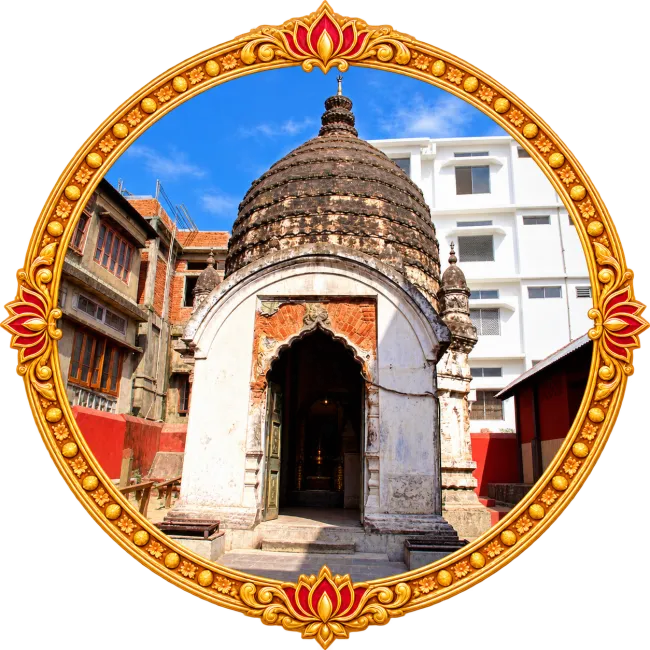
Tara Devi Temple, Guwahati, Assam
Visit Tara Devi Temple on Nilachal Hill in Guwahati, a sacred shrine associated with the Dashamahavidya tradition of Goddess worship. Situated near Kamakhya Temple, the shrine is dedicated to Maa Tara, revered for her protective power and connection with spiritual wisdom.
Tara Devi Temple forms part of the religious landscape surrounding Maa Kamakhya. Devotees visit to offer prayers for courage, understanding and guidance while exploring the goddess shrines of Nilachal Hill.
About Tara Devi Temple
Tara Devi Temple is located on Nilachal Hill in Guwahati, Assam, between the Mahakali shrine and Kamakhya Temple.
The presiding goddess, Maa Tara, is one of the Dashamahavidyas, the ten great wisdom goddesses of the Shakta tradition. Her worship represents divine guidance and protection through the difficulties of life.
This article covers the Tara shrine on Nilachal Hill. Ugratara Devalaya near Jorpukhuri in Uzan Bazar is a separate temple in Guwahati. Both are associated with Tara worship, but they occupy different locations and have distinct temple traditions.
A visit to the Nilachal shrine can be included in a pilgrimage to Kamakhya and the surrounding Mahavidya temples.
History and Religious Heritage of Tara Devi Temple
Tara Devi Temple belongs to the wider Shakta heritage of Nilachal Hill. The hill is an important centre of goddess worship, with individual shrines dedicated to several forms of the Divine Mother.
The Tara shrine’s significance comes from its place within this sacred setting. Worship of the Mahavidyas allows devotees to approach the goddess through different qualities, including wisdom, compassion, strength and transformation.
The temple continues this tradition alongside the shrines of Kali, Bhuvaneshwari, Bhairavi, Chhinnamasta, Bagalamukhi and Dhumavati.
Together, these places of worship make Nilachal a pilgrimage destination extending beyond the main Kamakhya sanctum.
Who Is Goddess Tara?
Goddess Tara is revered as a divine guide who helps devotees overcome fear and spiritual uncertainty.
She is also worshipped as Nila Saraswati, a form associated with knowledge and the power of speech. In this aspect, her blessings are sought for understanding, expression and spiritual learning.
Tara’s fierce imagery represents the power to confront ignorance and fear. Her protective character is particularly important to devotees who approach her during difficult periods.
In the Nilachal religious tradition, Tara is also associated with Guru Brihaspati and Thursday. Her worship emphasises guidance and the wisdom that leads towards liberation.
Connection with the Dashamahavidyas
The word Dashamahavidya refers to the ten great wisdom forms of the goddess.
These forms are:
Kali.
Tara.
Tripura Sundari.
Bhuvaneshwari.
Bhairavi.
Chhinnamasta.
Dhumavati.
Bagalamukhi.
Matangi.
Kamala.
Tara is traditionally counted as the second Mahavidya. Each form expresses a different aspect of divine power, while all belong to the broader worship of Shakti.
At Nilachal Hill, the Mahavidya shrines give this religious tradition a physical setting. A pilgrimage between them offers an opportunity to understand the diversity of goddess worship associated with Kamakhya.
Religious Significance of Tara Devi Temple
Devotees approach Maa Tara with prayers for clarity, courage and protection.
Her association with knowledge makes her worship meaningful for those seeking greater understanding and discipline. Her protective aspect offers a focus for prayer during uncertainty or hardship.
A visit may include:
Darshan of Maa Tara.
Quiet prayer for family well-being.
Reflection on personal responsibilities.
Gratitude for guidance and support.
Respectful participation in worship when ceremonies are underway.
The spiritual value of the visit does not depend on elaborate offerings. Attention, humility and consideration for other worshippers are important parts of the experience.
Architecture and Temple Setting
The Tara shrine has a compact form, with an arched entrance and a domed upper structure. Steps and pathways connect it with the surrounding religious area.
Its scale allows visitors to appreciate the shrine as an individual place of worship within the larger Nilachal pilgrimage landscape.
Notable features include:
An arched entrance.
A domed shrine structure.
A stepped approach.
Trees around parts of the temple setting.
Proximity to other goddess shrines.
The paths and changes in level are worth considering when visiting with elderly family members or anyone who needs assistance walking.
Tara Devi Temple Timings
Plan the Tara shrine visit as part of a daytime pilgrimage on Nilachal Hill.
Keep additional time if your itinerary includes Kamakhya darshan and several Mahavidya shrines. The main temple’s queue can take considerably longer than a visit to an individual smaller shrine.
Morning Worship and Darshan
A morning visit allows time to include Tara Devi Temple within a wider pilgrimage around Nilachal Hill.
Approach the shrine quietly, keep offerings ready and leave the entrance clear for other devotees. After darshan, move to an appropriate place if you wish to continue praying.
Visitors combining several temples should avoid an overly tight schedule. Allow time for walking, finding each shrine and resting between visits.
For a focused devotional visit, a simple prayer to Maa Tara can centre on wisdom, courage and the ability to act with understanding.
Afternoon and Evening Visits
An afternoon visit can fit well into a day spent exploring Guwahati’s religious sites.
Complete the walking portions of the Nilachal pilgrimage with sufficient daylight. This makes steps and changes in the path easier to negotiate.
If worship is underway, remain in the area designated for visitors and avoid interrupting the ceremony for photographs.
Arrange your return transport before leaving the main road-access area, especially when travelling with children or elderly relatives.
Offerings at Tara Devi Temple
Simple offerings suitable for goddess worship include:
Fresh flowers.
Fruits.
Sweets.
A small devotional cloth offering.
Present offerings only in the designated place. Avoid leaving food or packaging on pathways, steps or beside trees.
Keep the quantity manageable when walking between several shrines. A small offering carried carefully is more practical than a large collection of items.
Respect the distinction between ordinary darshan and specialised rituals. Visitors can offer sincere prayers without undertaking elaborate ceremonial practices.
Festivals Connected with the Nilachal Pilgrimage
Ambubachi Mela
Ambubachi is the major religious gathering associated with Kamakhya and Nilachal Hill. It takes place during the monsoon and expresses the sacred relationship between the goddess, fertility and the earth.
Large numbers of pilgrims visit the area during this period. Travel, queue and access arrangements differ significantly from an ordinary day.
Durga Puja
Durga Puja is another major occasion in the Kamakhya religious calendar. The wider Nilachal area takes on a festive atmosphere, attracting devotees of the Divine Mother.
These festivals are important to the surrounding pilgrimage setting; individual shrines retain their own worship arrangements.
Planning a Mahavidya Temple Visit
Tara Devi Temple can be included with other accessible shrines on Nilachal Hill.
Begin by deciding whether the main purpose of your trip is Kamakhya darshan or a wider Mahavidya pilgrimage. If you want to visit several shrines, allow a generous portion of the day.
Keep the plan flexible enough for:
Time spent in the main darshan queue.
Walking between shrines.
Breaks for water and rest.
Temporary pauses during worship.
Slower movement on crowded days.
The temples are religious spaces with individual significance. Give each visit enough attention rather than treating the route as a checklist.
How to Reach Tara Devi Temple
By Air
Lokpriya Gopinath Bordoloi International Airport is Guwahati’s airport. Continue by taxi towards the Kamakhya Temple area on Nilachal Hill.
By Train
Kamakhya Railway Station is convenient for reaching the Nilachal pilgrimage area. Guwahati Railway Station is another major railhead.
From either station, continue by road towards Kamakhya.
By Road
Guwahati has road connections with other parts of Assam and neighbouring states. Local transport can take visitors towards the Kamakhya approach road.
Ask for Tara Mandir on Nilachal Hill, near Kamakhya, so the destination is distinguished from Ugratara Temple in Uzan Bazar. Complete the final approach on foot through the temple area.
Nearby Temples to Visit
Kamakhya Temple
The principal shrine of Nilachal Hill and the central destination for most pilgrims visiting the area.
Mahakali Temple
A goddess shrine close to Tara Mandir, suitable for inclusion in the same pilgrimage.
Other Mahavidya Shrines
Bhuvaneshwari, Bhairavi, Chhinnamasta, Bagalamukhi and Dhumavati are among the other forms worshipped on Nilachal Hill. Their individual locations should be considered when planning the walking route.
Important Visitor Guidelines
Wear modest clothing appropriate for worship.
Remove footwear at the designated point.
Keep offerings small and easy to carry.
Respect restrictions on photography.
Avoid blocking shrine entrances.
Keep mobile phones silent during prayers.
Walk carefully on steps and uneven paths.
Carry drinking water.
Allow rest breaks for elderly family members.
Keep the temple surroundings free of litter.
Follow festival crowd-management arrangements.
Respect the privacy of specialised religious ceremonies.
Conclusion
Tara Devi Temple on Nilachal Hill offers an opportunity to understand a distinctive form of goddess worship within the Kamakhya pilgrimage tradition.
Maa Tara’s association with guidance, protection and wisdom gives the shrine its devotional meaning. A thoughtful visit, with time for prayer and the surrounding Mahavidya temples, offers a fuller appreciation of Nilachal’s religious heritage.