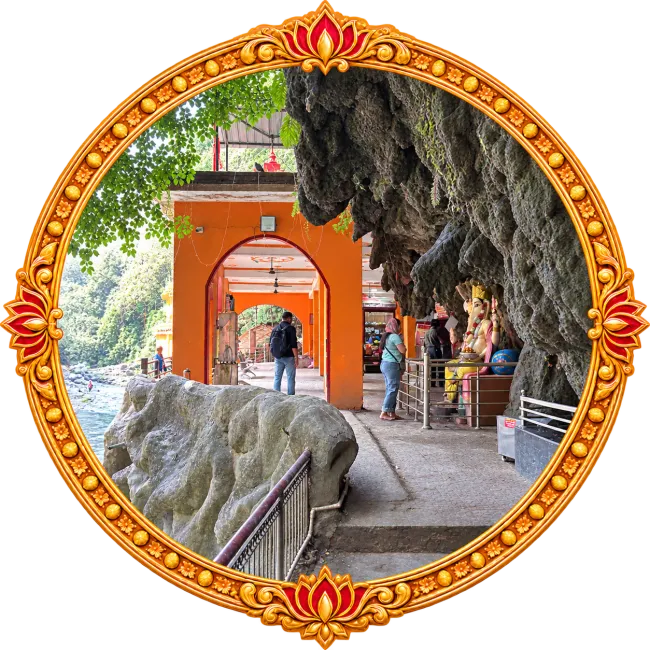
Tapkeshwar Mahadev Temple, Dehradun
Visit Tapkeshwar Mahadev Temple in Dehradun, a sacred cave shrine dedicated to Lord Shiva. Situated beside a seasonal river in the Garhi Cantonment area, the temple is known for the natural water droplets that fall from the cave ceiling onto the Shivling.
The shrine’s connection with Guru Dronacharya, the legend of Ashwatthama and its distinctive cave setting make it an important place of worship in the Doon Valley. Devotees visit to offer prayers to Mahadev, perform Jalabhishek and experience the atmosphere of this riverside temple.
About Tapkeshwar Mahadev Temple
Tapkeshwar Mahadev Temple is situated on Tapkeshwar Road in the Birpur–Garhi Cantonment area of Dehradun, Uttarakhand. It lies approximately 6.5 kilometres from the city centre.
The principal deity is Lord Shiva, worshipped as Tapkeshwar Mahadev. The name refers to the water that naturally drips onto the Shivling inside the cave.
The shrine stands beside the seasonal Asan River. Its location below the surrounding slopes gives it a setting quite different from a conventional city temple. Visitors approach the sacred cave through the temple complex, where the rock formations remain central to the experience of darshan.
Tapkeshwar is suitable for a dedicated pilgrimage visit or as part of a day exploring Dehradun. Allow enough time to enter the cave without rushing and to spend a few quiet moments in the surrounding grounds.
History and Religious Heritage
Tapkeshwar’s religious heritage is closely associated with Guru Dronacharya, the teacher of the Pandavas and Kauravas in the Mahabharata.
According to local tradition, Dronacharya lived in the cave with his family and worshipped Lord Shiva here. This association gave the shrine its other familiar name, Drona Gufa, or Drona Cave.
The site is also associated with the name Deveshwara in its religious tradition. Its identity centres on the natural cave and sacred Shivling, with the surrounding temple serving the continuing worship of Mahadev.
For devotees, the cave’s importance comes from its connection with penance, prayer and divine compassion. These traditions remain an essential part of the temple’s identity.
Legend of Ashwatthama and Lord Shiva
A well-known legend connects Tapkeshwar with Ashwatthama, the son of Dronacharya.
According to the story, Dronacharya’s family lived in poverty and could not provide milk for the young child. Dronacharya encouraged Ashwatthama to pray to Lord Shiva.
Moved by the child’s devotion, Shiva blessed him, and milk began to fall in drops within the cave. The story is remembered as an expression of Mahadev’s compassion towards a sincere devotee.
Today, the water dripping onto the Shivling reminds worshippers of this legend. The tradition gives a deeply personal meaning to the shrine: the divine is approached with faith, even when a devotee has little to offer.
Why the Temple Is Called Tapkeshwar
The name “Tapkeshwar” is associated with the Hindi word tapak, meaning to drip.
Inside the cave, water seeps through the rock above and falls onto the Shivling. Devotees regard this as a natural form of Abhishek.
This feature is the temple’s defining characteristic. The cave itself becomes part of the worship, with the rock, water and Shivling forming a single sacred setting.
Visitors should observe the dripping water without touching the cave ceiling or disturbing the formations surrounding the sanctum.
Religious Significance of Tapkeshwar Mahadev Temple
Tapkeshwar is a place of devotion to Lord Shiva as a compassionate and protective deity. Worshippers approach Mahadev with prayers for peace, courage, family well-being and the strength to face difficulties.
The temple’s spiritual character is shaped by three connected elements:
The Shivling: The central focus of worship.
The cave: Remembered as a place of Dronacharya’s residence and devotion.
The dripping water: Revered as a natural offering to Lord Shiva.
A visit can include darshan, a simple offering, quiet mantra recitation and participation in worship when a ceremony is underway.
For many devotees, repeating “Om Namah Shivaya” is a meaningful way to spend time at the shrine.
Architecture and Cave Setting
Tapkeshwar’s most distinctive architectural feature is its natural cave sanctum.
The sacred space follows the shape of the rock rather than a regular, spacious temple hall. The uneven ceiling and enclosed surroundings give the inner shrine an intimate atmosphere.
The broader complex provides access to the cave and space for visitors, while the natural formation remains the centre of attention.
Notable features include:
A Shivling housed within a rock cave.
Water dripping from the ceiling.
A riverside location.
Steps and passages connecting different areas.
Hillsides surrounding the temple grounds.
The cave’s enclosed spaces can become crowded during busy periods. Move patiently, watch your footing and avoid stopping in narrow entrances.
Tapkeshwar Mahadev Temple Timings
The usual daytime visiting window is 6:00 AM to 7:00 PM.
The suggested visit windows are for planning darshan, rather than fixed ritual timings. Festival arrangements can extend beyond the usual daytime schedule.
Allow one to two hours for darshan and a comfortable visit to the complex. Festival queues may require additional time.
Morning Puja and Darshan
A morning visit provides time to worship before continuing with other activities in Dehradun.
Begin with darshan of the Shivling and keep any offerings ready before entering the cave. Where Jalabhishek is permitted, use the designated worship area and leave space for other devotees.
The suggested 7:00 AM–9:00 AM visit window is practical for families who want to explore the complex in daylight.
Inside the cave, keep conversations quiet and avoid spending too long at the sanctum entrance. A brief prayer offered with attention allows others to receive darshan comfortably.
Evening Puja and Aarti
Evening worship is another meaningful part of the Tapkeshwar experience. The offering of lamps and prayers brings devotees together in worship of Mahadev.
Visitors attending Aarti should stand in the designated area and avoid blocking the passage to the cave. Keep mobile phones silent and give priority to the ceremony over photography.
For those combining worship with a look at the surroundings, arriving before sunset allows time to walk through the grounds in natural light.
Offerings at Tapkeshwar Mahadev Temple
Simple offerings suitable for Shiva worship include:
Bilva leaves.
Fresh flowers.
Clean water for Jalabhishek.
Fruits.
Sweets for bhog.
Present offerings only where worship is permitted. Avoid placing flowers, lamps or other materials on natural rock surfaces outside the designated sacred area.
Do not pour milk or discard puja materials into the river. Carry packaging back to a waste bin and keep the cave approach clean.
Devotion does not require an elaborate collection of offerings. A quiet prayer and respectful conduct are equally meaningful parts of the visit.
Festivals at Tapkeshwar Mahadev Temple
Maha Shivratri
Maha Shivratri is the temple’s principal festival. Large numbers of devotees gather for Shiva worship, and the Tapkeshwar Mela is an important religious event in Dehradun.
The occasion brings a much busier atmosphere than an ordinary day. Visitors should allow additional time for queues and approach roads.
Shravan Month
The month of Shravan is another important period for worship at Tapkeshwar. Devotees visit for darshan and offerings to Lord Shiva, with particularly strong participation during this sacred season.
The temple’s festival character includes decorations, collective devotion and arrangements to accommodate larger numbers of pilgrims.
Entry and Visit Duration
General entry to Tapkeshwar Temple is free. Keep one to two hours available for a relaxed visit.
The approach and cave involve steps and uneven surfaces. Visitors with limited mobility should allow extra time and travel with assistance where needed.
Carry only essential belongings into crowded areas. Large bags can make movement through narrow passages more difficult.
Best Time to Visit
Choose a dry-weather day for a comfortable visit to the cave and surrounding grounds.
Early morning is convenient for a pilgrimage-focused visit, while a late-afternoon arrival allows time to see the riverside setting before evening worship.
Maha Shivratri is ideal for those seeking a festival experience. An ordinary weekday is a practical choice for visitors who prefer a less hurried visit.
During heavy rain, the riverside location requires particular care. Stay out of the stream and follow any restrictions on entry to the cave or lower parts of the complex.
How to Reach Tapkeshwar Mahadev Temple
By Air
Jolly Grant Airport serves Dehradun and is approximately 32 kilometres from the temple. Continue by taxi towards the Garhi Cantonment–Birpur area.
By Train
Dehradun Railway Station is approximately 7 kilometres away. Taxis and auto-rickshaws provide onward access to Tapkeshwar Road.
By Road
The temple is accessible from Dehradun through local road transport. Visitors can travel by taxi, auto-rickshaw or suitable local bus services.
Ask for Tapkeshwar Mahadev Mandir, Garhi Cantt/Birpur to identify the correct destination. The final approach within the complex is on foot.
Other Places to Visit in Dehradun
Robber’s Cave
Also called Guchhupani, this natural cave attraction offers a separate experience of Dehradun’s rock formations and flowing water.
Forest Research Institute
The Forest Research Institute is known for its extensive grounds, imposing buildings and connection with forestry research.
Sahastradhara
Sahastradhara is a popular destination for its water features and surrounding landscape. Plan it as a separate stop rather than a short walk from the temple.
Important Visitor Guidelines
Wear clean, modest clothing.
Remove footwear at the designated point.
Walk slowly on damp steps and cave surfaces.
Watch for low sections of the cave ceiling.
Keep the darshan queue orderly.
Respect restrictions on sanctum photography.
Do not touch or damage natural rock formations.
Keep children close near the river and steps.
Use only designated places for offerings.
Avoid entering the stream during rain or high water.
Carry drinking water and essential personal items.
Keep the temple grounds free of litter.
Conclusion
Tapkeshwar Mahadev Temple offers a distinctive experience of Shiva worship in Dehradun. Its natural cave, dripping water and traditions associated with Dronacharya and Ashwatthama give the shrine a memorable religious identity.
A thoughtful visit allows time for darshan, prayer and appreciation of the natural surroundings. Respect for the cave, river and fellow devotees helps preserve the atmosphere that makes Tapkeshwar special.