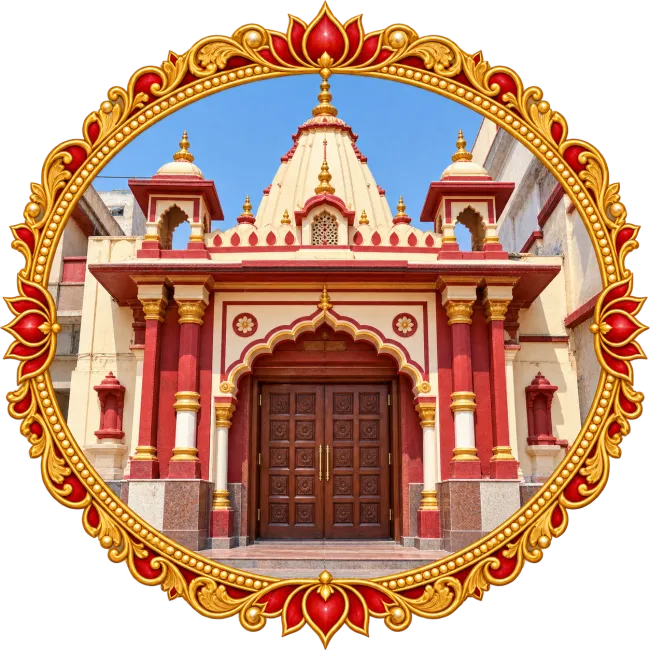
Tapeshwari Devi Temple Kanpur
Visit Tapeshwari Devi Temple Kanpur, an ancient and revered Shakti shrine situated on Birhana Road in the Patkapur area. The temple is associated with Mata Sita and the Ramayana period. According to local religious tradition, Mata Sita performed penance at this sacred place during her stay near Maharishi Valmiki’s ashram. It is also believed that the Mundan and Karnavedha ceremonies of Luv and Kush were performed here.
The temple is especially famous among families seeking blessings for children. Mundan, Karnavedha and other traditional ceremonies continue to be performed here. Chaitra Navratri and Sharadiya Navratri are celebrated with special Shringar, Akhand Jyoti, havan, Kanya Pujan and devotional programmes.
About Tapeshwari Devi Temple Kanpur
Tapeshwari Devi Temple is located on Birhana Road near Patkapur in Kanpur, Uttar Pradesh. It is one of the city’s oldest and most respected temples dedicated to the Divine Mother.
The word “Tapeshwari” is connected with “Tapasya,” meaning penance or deep spiritual meditation. According to local belief, Mata Sita worshipped the Divine Mother at this place and performed penance during her second period of exile. The goddess who appeared through the power of her devotion came to be known as Tapeshwari Devi.
The temple is also known as Mahamaya Shri Tapeshwari Devi Mandir. Several forms of the Divine Mother are worshipped within the complex, including Mata Tapeshwari, Kamala, Vimala, Saraswati and Durga.
Devotees believe that Mata Tapeshwari blesses childless couples, protects children and removes difficulties from family life. Many parents bring their children to the temple for Mundan and Karnavedha ceremonies.
Lighting an Akhand Jyoti before the goddess is another important tradition. Devotees believe that prayers offered with a continuously burning sacred lamp are accepted by the Divine Mother.
History of Tapeshwari Devi Temple Kanpur
The religious history of Tapeshwari Devi Temple is traditionally connected with the Ramayana period. The temple’s sacred story begins after Lord Rama, Mata Sita and Lakshman returned to Ayodhya following the victory over Ravana.
According to the Ramayana tradition, Mata Sita later left Ayodhya and lived near Maharishi Valmiki’s ashram in the ancient Brahmavarta region, identified with present-day Bithoor. At that time, the area now occupied by central Kanpur is believed to have contained thick forests, while the River Ganga flowed closer to this location.
Local tradition states that Mata Sita travelled from the Valmiki Ashram region to this forest and performed penance for protection, spiritual strength and the well-being of her unborn children. The Divine Mother appeared through the spiritual power of this penance and came to be worshipped as Tapeshwari Devi.
After the birth of Luv and Kush, Mata Sita is believed to have brought both sons to this sacred place. Their Mundan and Karnavedha ceremonies were performed in the presence of the goddess.
A sacred mound or Math associated with Mata Sita was also discovered in this area. Over time, a permanent temple developed at the site. Successive generations of devotees, priests and local families helped maintain and expand the shrine.
Although the present temple structure has undergone reconstruction and renovation, its religious identity continues to be associated with Mata Sita’s penance and the childhood ceremonies of Luv and Kush.
Connection with Mata Sita, Luv and Kush
Tapeshwari Devi Temple is spiritually important because it connects goddess worship with the life of Mata Sita.
After leaving Ayodhya, Mata Sita lived under the protection of Maharishi Valmiki. Her sons, Luv and Kush, were born and educated in the ashram. They later became known for their knowledge, courage, archery and recitation of the Ramayana.
According to temple tradition, Mata Sita performed Tapasya at the present temple site before the birth of Luv and Kush. After their birth, she brought them here for their Mundan ceremony, in which a child’s hair is removed for the first time.
Their Karnavedha or ear-piercing ceremony is also associated with the temple. These beliefs have made Tapeshwari Devi Temple an important destination for families wishing to perform traditional ceremonies for their children.
Parents pray to Mata Tapeshwari for:
- The blessing of children
- Safe pregnancy and childbirth
- Health and protection of children
- Wisdom and courage
- Success in education
- Protection from illness
- Peace within the family
- A bright and prosperous future
Religious Significance of Tapeshwari Devi
Mata Tapeshwari is worshipped as a powerful manifestation of Adi Shakti. She represents spiritual strength gained through penance, devotion and patience.
The temple is particularly important for devotees facing difficulties related to children or family life. Couples seeking the blessing of a child visit the temple, light a sacred lamp and make a sincere prayer before the goddess.
Devotees also pray for:
- Protection from suffering
- Relief from fear and anxiety
- Health and well-being
- Success in employment and business
- Peace in married life
- Prosperity and social respect
- Removal of obstacles
- Fulfilment of sincere wishes
- Spiritual strength and mental peace
The temple is regarded as a Siddha place where worship, meditation and the lighting of an Akhand Jyoti are believed to produce special spiritual benefits.
Deities Worshipped in the Temple
The temple contains sacred images associated with several manifestations of Shakti. These include:
- Mata Tapeshwari
- Mata Kamala
- Mata Vimala
- Mata Saraswati
- Mata Durga
- Mahakali
- Bhairavi Mata
The presence of several goddess forms represents different aspects of divine power. Mata Kamala is associated with prosperity, Mata Saraswati with wisdom, Mata Durga with protection and Mahakali with the destruction of negative forces.
Images of Lord Hanuman and other Hindu deities are also present in the temple complex. Devotees can therefore perform a complete sequence of worship during their visit.
Architecture of Tapeshwari Devi Temple
Tapeshwari Devi Temple follows a traditional North Indian temple style. Its colourful Shikhara rises above the surrounding market area and helps visitors identify the temple from Birhana Road.
The main sanctum contains the sacred forms of the goddesses. Flowers, clothes, garlands, jewellery, sacred threads and lamps are used to decorate the altar. The elaborate Shringar is particularly impressive during Navratri.
The temple has a comparatively compact structure because it is situated in an old and densely populated part of Kanpur. Despite the limited space, separate areas are maintained for darshan, puja, Akhand Jyoti and ceremonies such as Mundan.
Bells, sacred symbols and traditional artwork contribute to the temple’s devotional environment. During Navratri, additional decorations, flowers and lights transform the entire premises.
Separate queues and entry arrangements may be created for men and women during major festivals. These arrangements help manage the large number of devotees visiting the temple.
Tapeshwari Devi Temple Kanpur Timings
The regular darshan and aarti schedule is:
Navratri Timings
Festival timings may be extended depending on crowd conditions, Ashtami, Navami, special havan and Kanya Pujan programmes. Visitors planning a ceremony should confirm the schedule at the temple before arriving.
Best Time for Darshan
The best time for a peaceful visit is between 7:00 AM and 9:00 AM. The morning atmosphere is calm, and devotees can attend the aarti and Shringar darshan.
Evening between 6:00 PM and 8:00 PM is suitable for those who want to participate in the evening aarti. The lamps, bells and chanting create a powerful devotional environment.
Navratri is the most important period to visit the temple, but it is also the most crowded. Visitors seeking peaceful darshan should choose an ordinary weekday outside Navratri.
Ashtami and Navami witness particularly large crowds because Kanya Pujan, Jaware processions, havan and special offerings are organised on these days.
Daily Pujas and Rituals
Morning Puja and Aarti
The morning worship begins with the cleaning of the sanctum, bathing or ceremonial purification of the deities and fresh Shringar. Flowers, clothes, jewellery and garlands are offered before the morning aarti.
Shringar
The goddess is decorated with fresh flowers, ornaments, chunri and traditional garments. Special Shringar is performed during Navratri and other important festivals.
Akhand Jyoti
Lighting an Akhand Jyoti is among the temple’s most important traditions. Devotees register their names and prayers before lighting the sacred lamp.
The lamp represents faith, purity and the continuous presence of divine power. Devotees make a Sankalp for family welfare, childbirth, health or the fulfilment of a wish.
Durga Saptashati Path
Durga Saptashati is recited during Navratri and special worship programmes. The sacred verses praise the power and victories of the Divine Mother.
Havan
Havan is performed on important days, especially during Navratri. Devotees offer sacred materials into the fire while priests recite Vedic and Shakti mantras.
Evening Aarti
Evening aarti is performed at 7:00 PM. Lamps are offered to Mata Tapeshwari while devotees sing traditional aarti and chant “Jai Mata Di.”
Mundan and Karnavedha Ceremonies
Tapeshwari Devi Temple is one of Kanpur’s important places for the Mundan and Karnavedha ceremonies of children.
The tradition is connected with the belief that Mata Sita performed these ceremonies for Luv and Kush at this location. Families visit the temple from Kanpur and neighbouring districts to continue this ancient tradition.
Mundan Ceremony
During Mundan, a child’s first hair is removed and offered with prayers. The ritual symbolises purification and the beginning of a new stage in the child’s life.
Karnavedha Ceremony
Karnavedha involves the ceremonial piercing of a child’s ears. It is one of the traditional Hindu Samskaras and is associated with health, protection and spiritual development.
Families wishing to organise either ceremony should contact the temple priests in advance and confirm the necessary puja materials, contribution and available time.
Major Festivals Celebrated
Chaitra Navratri
Chaitra Navratri is celebrated with Kalash Sthapana, Akhand Jyoti, Durga Saptashati recitation, daily Shringar, havan and Kanya Pujan. Devotees begin arriving early in the morning.
Sharadiya Navratri
Sharadiya Navratri is the temple’s largest annual celebration. The temple is decorated with flowers and lights, while special arrangements are made to control queues.
Temporary stalls selling puja items, household goods, toys and food are set up near the temple. The surrounding area takes the form of a religious fair.
Durga Ashtami
Ashtami is observed with special puja, Mahagauri worship, havan and Kanya Pujan. Families worship young girls as manifestations of the goddess and offer them food and gifts.
Ram Navami
The connection of the temple with Mata Sita and the Ramayana gives Ram Navami special importance. Devotees recite the Ramcharitmanas and worship Lord Rama, Mata Sita, Lakshman and Lord Hanuman.
Diwali
Devotees illuminate the temple with lamps and pray to the Divine Mother for prosperity, happiness and protection.
Offerings and Prasad
Devotees may offer:
- Red chunri
- Flowers and garlands
- Coconut
- Sindoor
- Bangles
- Sacred thread
- Laddoo and peda
- Batasha
- Fruits and dry fruits
- Cloves and cardamom
- Ghee lamps
- Shringar items
Neerkund-related prasad is considered significant in local temple tradition. Devotees should obtain puja materials and prasad from authorised counters or shops near the temple.
After their prayer is fulfilled, devotees may return to offer bells, chunri, sweets or an Akhand Jyoti as an expression of gratitude.
Entry Fee and Visit Duration
There is no general entry fee for visiting Tapeshwari Devi Temple. Darshan is available to everyone during temple hours.
Personal pujas, Akhand Jyoti arrangements, Mundan, Karnavedha and other ceremonies may involve separate contributions.
A normal visit requires 30 to 45 minutes. Visitors attending aarti or arranging a personal puja should keep one hour available. During Navratri, the waiting period can extend to two or three hours.
Visitor Guidelines
- Wear clean and modest clothing.
- Remove footwear before entering the temple.
- Follow the designated darshan queue.
- Maintain silence near the main sanctum.
- Do not touch the deities or sacred decorations.
- Photography inside the sanctum is generally not permitted.
- Keep mobile phones on silent mode.
- Protect personal belongings in the crowded market area.
- Keep children close during Navratri.
- Do not block entrances while performing ceremonies.
- Use designated places for lamps and offerings.
- Avoid carrying tobacco, alcohol or non-vegetarian food.
- Follow the instructions of priests, volunteers and police personnel.
How to Reach Tapeshwari Devi Temple Kanpur
By Air
Kanpur Airport is the nearest airport. Taxis and app-based cabs are available from the airport to Birhana Road and Patkapur.
Lucknow’s Chaudhary Charan Singh International Airport is another option for travellers arriving from cities not directly connected to Kanpur.
By Train
Kanpur Central Railway Station is the nearest major railway station. The temple can be reached from the station through Ghantaghar, Nayaganj and Birhana Road.
Autos, e-rickshaws, cycle-rickshaws and taxis are available outside the railway station.
By Road
The temple is located at Birhana Road near Bharat Mata Mandir, Naughara and Patkapur, Kanpur. It is accessible from Ghantaghar, Nayaganj, Mall Road and Bada Chauraha.
Because the surrounding lanes are busy and narrow, visitors may need to park at a suitable distance and walk to the temple.
Nearby Places to Visit
Visitors may also explore:
- Bharat Mata Mandir
- Anandeshwar Temple
- JK Temple
- Kanpur Memorial Church
- Kanpur Sangrahalaya
- Phool Bagh
- Nana Rao Park
- Green Park Stadium
- Allen Forest Zoo
- Ganga Barrage
- Valmiki Ashram, Bithoor
- Brahmavart Ghat, Bithoor
Conclusion
Tapeshwari Devi Temple is one of Kanpur’s most sacred Shakti temples. Its religious tradition is closely connected with Mata Sita’s penance and the childhood ceremonies of Luv and Kush. This association gives the temple a special position among the Ramayana-related religious sites of Uttar Pradesh.
The worship of multiple goddess forms, the tradition of lighting an Akhand Jyoti and the performance of Mundan and Karnavedha ceremonies make the temple spiritually and culturally distinctive.
Whether visiting for ordinary darshan, Navratri worship or a child’s traditional ceremony, devotees experience an atmosphere of faith and divine motherhood. Mata Tapeshwari is worshipped as the compassionate goddess who protects families, blesses children and gives strength to everyone who approaches her with sincere devotion.