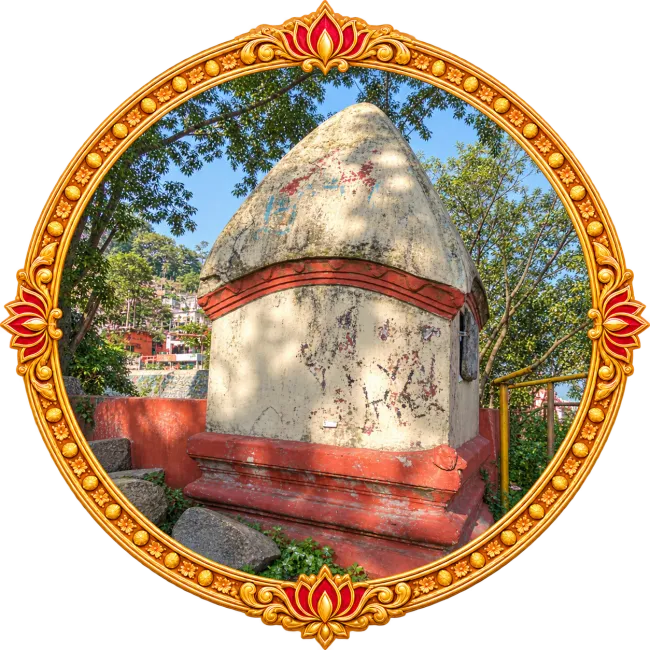
Siddheswar Temple, Guwahati, Assam
Visit Siddheswar Temple on Nilachal Hill in Guwahati, a sacred shrine dedicated to Lord Shiva. Also known as Siddheswara or Siddheshwar Temple, it forms part of the Shiva temples associated with the Kamakhya pilgrimage area.
The shrine connects Shiva devotion with the wider Shakti traditions of Nilachal Hill. Its downhill approach, religious setting and historical association with the Ahom period make it a meaningful stop for devotees exploring the temples surrounding Kamakhya.
For pilgrims, visiting Siddheswar offers an opportunity to step away from the central temple area, offer prayers to Lord Shiva and experience another aspect of Guwahati’s religious heritage.
About Siddheswar Temple
Siddheswar Temple is situated on Nilachal Hill in western Guwahati, Assam. The presiding deity is Lord Shiva, worshipped here as Siddheswar.
The shrine belongs to the sacred landscape surrounding Kamakhya Temple. While Kamakhya is renowned for the worship of the Divine Mother, Nilachal Hill also contains temples dedicated to different forms of Shiva. Together, these places of worship reflect the close relationship between Shaiva and Shakta traditions.
The approach to Siddheswar involves a short downhill walk from the main Kamakhya temple area. Devotees planning to visit should account for both the descent and the return climb.
A visit can be included in a wider pilgrimage around Nilachal Hill. Rather than rushing between shrines, allow sufficient time for walking, prayer and rest.
History of Siddheswar Temple
Siddheswar Temple has a historical connection with the Ahom period. An inscription associated with the shrine names Ahom King Siva Singha and carries the date Saka 1640, corresponding to 1718 CE.
This dated record connects the temple with the royal patronage that supported religious institutions in Assam during the early eighteenth century. It provides an important historical reference for the shrine’s place within the Nilachal temple landscape.
The year 1718 belongs to the inscription and does not, by itself, establish when worship first began at the site.
The broader history of Nilachal Hill includes successive periods of religious activity, royal support and temple development. Siddheswar forms part of this continuing heritage, in which individual shrines retain their identity while belonging to a larger pilgrimage centre.
Its significance therefore comes from both historical evidence and its association with Shiva worship.
Meaning of the Name Siddheswar
The name Siddheswar is commonly understood as “Lord of the Siddhas.” In Hindu spiritual traditions, Siddhas are beings associated with spiritual accomplishment and deep understanding.
This name presents Lord Shiva as a guide towards spiritual fulfilment. It connects devotion with discipline, concentration and the gradual development of wisdom.
For an ordinary devotee, these ideas can be understood through everyday actions: maintaining patience, speaking thoughtfully, fulfilling responsibilities and responding to difficulties with steadiness.
The name also encourages reflection on the meaning of achievement. Spiritual progress can involve becoming less controlled by anger, pride or excessive attachment, while developing greater compassion towards others.
A prayer at Siddheswar Temple can therefore focus on inner growth alongside personal and family concerns.
Religious Significance of Siddheswar Temple
Siddheswar Temple represents the presence of Shiva worship within one of Assam’s most important Shakti pilgrimage areas.
In Hindu religious thought, Shiva and Shakti are closely connected. Shiva is associated with consciousness, while Shakti expresses divine energy and creative power. Their relationship is an important part of the spiritual understanding attached to many sacred places.
At Nilachal Hill, this connection is expressed through the presence of goddess shrines and Shiva temples within the same pilgrimage landscape.
Devotees may visit Siddheswar with prayers for:
Peace and steadiness of mind.
Patience during difficult circumstances.
Wisdom in personal decisions.
Harmony within the family.
Discipline in spiritual practice.
Freedom from excessive attachment.
Courage to fulfil responsibilities.
A deeper understanding of devotion.
These prayers reflect personal faith. The visit can also provide a moment to pause, reflect and renew a commitment to thoughtful living.
Connection with the Kamakhya Pilgrimage
Siddheswar belongs to the group of Shiva shrines on Nilachal Hill, together with Kameswar, Amratokeswar, Aghor and Kautilinga.
Their presence broadens the religious experience of a Kamakhya pilgrimage. Visitors can worship at the principal goddess shrine and then explore other temples according to their interests and physical comfort.
The individual shrines occupy different parts of the hill. Moving between them helps visitors appreciate that Nilachal is an extended sacred landscape rather than a single temple building.
For devotees interested in both Shiva and Shakti worship, Siddheswar is a meaningful addition to the journey. There is no need to rush through every shrine in one visit; a smaller number of unhurried visits can allow more time for prayer and reflection.
Temple Setting and Approach
The downhill approach is an important feature of visiting Siddheswar Temple. The route requires walking, and the return journey involves an ascent towards the main Kamakhya area.
Comfortable footwear is useful for the approach, with shoes removed at the designated place before entering the sacred area.
Visitors should walk at a pace suited to their ability. Those accompanying children or elderly family members can plan pauses along the way rather than treating the route as a quick extension of the main temple visit.
During wet weather, take additional care on slopes and steps. Keep your hands free where possible, and avoid carrying more belongings than necessary.
The walk also offers an opportunity to slow down before worship. A little preparation makes it easier to focus on the visit itself.
Main Deity and Devotional Focus
The presiding deity is Lord Shiva in his Siddheswar form. Devotion here can centre on the qualities traditionally associated with Shiva, including stillness, self-discipline, compassion and freedom from attachment.
A simple prayer may ask for strength to face uncertainty or wisdom to act responsibly. Devotees can also offer gratitude for family support, opportunities to learn and the ability to serve others.
The familiar mantra “Om Namah Shivaya” can be recited mentally during the visit. Quiet remembrance is especially considerate when other devotees are praying nearby.
There is no need to make the experience elaborate. Attention, humility and respectful conduct can form the foundation of a meaningful temple visit.
Worship and Offerings
Bilva leaves, flowers and water are customary offerings in Shiva worship generally. At Siddheswar Temple, any offering should follow the arrangements in place at the shrine.
Keep offerings simple and manageable. Present them only in the designated worship area, and avoid placing loose materials in passages used by other visitors.
For respectful participation:
Keep flowers and other offerings clean.
Avoid pouring water or other liquids independently.
Do not touch ritual objects without permission.
Allow others enough space to pray.
Keep packaging away from sacred areas.
Remove any waste you bring with you.
Devotion can also be expressed through quiet prayer and gratitude. Elaborate offerings are not necessary for personal reflection.
Important Religious Occasions
Mahashivratri
Mahashivratri is one of the most significant occasions in Shiva worship. Devotees traditionally observe it through prayer, fasting, mantra recitation and spiritual reflection.
The occasion encourages remembrance of Lord Shiva and renewed commitment to discipline and devotion. For people undertaking a Shiva pilgrimage, it gives particular meaning to visiting temples dedicated to him.
Shravan
The month of Shravan is traditionally associated with Lord Shiva. Many devotees dedicate this period to prayer, restraint, charitable acts and the fulfilment of religious commitments.
A visit during this period can be part of a personal practice of Shiva worship.
Mondays
Monday holds a special place in devotional traditions associated with Shiva. Some devotees observe a fast, recite prayers or visit a temple as part of their regular religious routine.
Ambubachi at Kamakhya
Ambubachi is a major religious gathering in the surrounding Kamakhya pilgrimage area. It brings large numbers of visitors to Nilachal Hill.
Anyone exploring nearby shrines during this period should allow additional time for movement and crowds. Ambubachi belongs to the wider Kamakhya religious calendar and should not be treated as a separate Siddheswar ritual schedule.
Planning Your Visit
Include the walking approach when organising your Nilachal Hill pilgrimage. Reaching the main Kamakhya area does not complete the journey to Siddheswar.
A practical visit plan is to:
Reach the Kamakhya temple area.
Allow time for the shrines you intend to visit there.
Begin the downhill walk when everyone in your group feels comfortable.
Offer prayers without rushing.
Keep enough energy and time for the return climb.
Carry drinking water and keep belongings light. Visitors with mobility limitations should consider the walking route carefully before including the shrine.
How to Reach Siddheswar Temple
By Air
Lokpriya Gopinath Bordoloi International Airport serves Guwahati. From the airport, continue by road towards Kamakhya Temple on Nilachal Hill.
By Train
Kamakhya Railway Station provides railway access close to the pilgrimage area. Guwahati Railway Station is another major arrival point for travellers coming from other cities.
From either station, continue towards Nilachal Hill by taxi or available local transport.
By Road
Guwahati has road connections with other parts of Assam and neighbouring states. Visitors arriving in the city can travel towards the main Kamakhya temple area.
Use Siddheswar Temple, Nilachal Hill, Kamakhya, Guwahati when identifying the destination, as similarly named temples exist elsewhere.
Final Approach on Foot
The final approach involves a short downhill walk from the main Kamakhya complex. Account for the return ascent, especially when travelling with children, elderly relatives or anyone who tires easily.
Nearby Temples to Visit
The Nilachal pilgrimage area contains several other important shrines:
Kamakhya Temple: The principal shrine dedicated to the Divine Mother.
Kameswar Temple: A Shiva shrine near Chinnamasta Temple.
Tara Temple: Dedicated to Goddess Tara.
Kali Temple: Associated with Mahakali worship.
Chinnamasta Temple: One of the Mahavidya shrines.
Bhairavi Temple: Dedicated to Goddess Bhairavi.
Dhumavati Temple: Associated with Goddess Dhumavati.
Bagalamukhi Temple: Dedicated to Goddess Bagalamukhi.
Bhuvaneshwari Temple: Situated on a higher part of Nilachal Hill.
Matangi and Kamala are worshipped within the main Kamakhya sanctum. The other shrines are spread across the hill, so exploring them involves additional walking or local transport.
Important Visitor Guidelines
Wear modest clothing suitable for worship.
Choose comfortable footwear for the approach.
Remove footwear at the designated place.
Walk carefully on slopes and steps.
Carry drinking water and essential personal medicines.
Help children and elderly companions during the return climb.
Keep mobile phones silent while praying.
Respect restrictions on photography.
Avoid touching inscriptions or older structural details.
Keep entrances and pathways clear.
Place offerings only where permitted.
Do not leave plastic, food packets or discarded offerings on the hillside.
Plan a manageable route instead of rushing between temples.
Conclusion
Siddheswar Temple brings together Shiva devotion, Ahom-period history and the pilgrimage traditions of Nilachal Hill. Its association with an inscription dated 1718 CE adds historical depth to its place within Guwahati’s sacred heritage.
For devotees, the visit offers an opportunity to pray for wisdom, discipline and inner peace. The journey to the shrine also encourages a slower, more reflective experience of the connected Shiva and Shakti traditions surrounding Kamakhya.