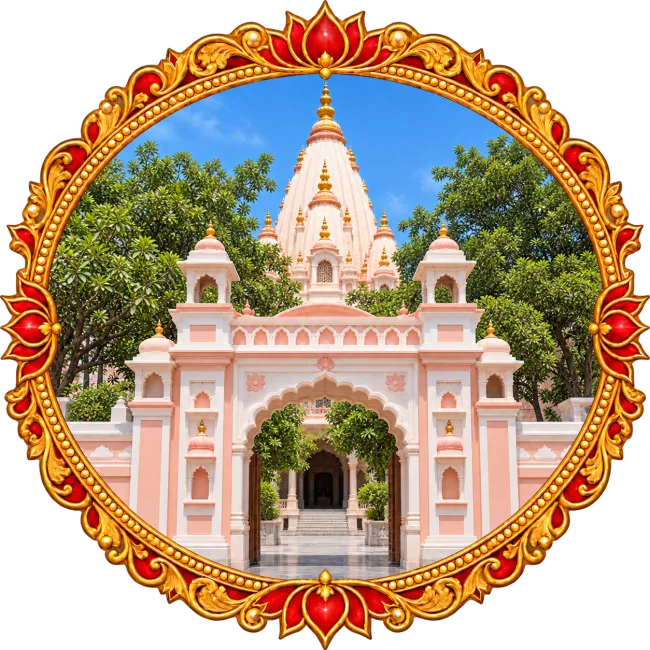
Siddheshwar Temple Jhansi
Siddheshwar Temple Jhansi, also known as Shri Siddheshwar Siddhpeeth Ashram, is one of the most prominent Shiva temples in Jhansi, Uttar Pradesh. Dedicated primarily to Lord Shiva in the form of Siddheshwar Mahadev, the temple is an important centre of worship, meditation, religious education and community service. Its spacious complex also contains shrines dedicated to Maa Pitambara, Lord Hanuman, Lord Rama, Sai Baba and several other Hindu deities.
The temple attracts devotees throughout the year, but the largest gatherings are witnessed during Mahashivratri, the holy month of Shravan, Shravan Mondays and Pradosh. Devotees visit to perform jalabhishek, Rudrabhishek, Mahamrityunjaya Path and other rituals associated with Lord Shiva.
About Siddheshwar Temple Jhansi
Siddheshwar Temple is a historic Shiva shrine situated on Gwalior Road in Jhansi. The word “Siddheshwar” combines two Sanskrit terms—“Siddha,” referring to spiritual accomplishment, and “Ishwar,” meaning the Supreme Lord. Lord Shiva worshipped at this temple is therefore revered as the divine master who grants spiritual progress, removes obstacles and fulfils the sincere wishes of devotees.
The temple is also known as a Siddhpeeth because of its association with meditation, spiritual practice and the worship of Lord Shiva. The main Shiva Lingam is the central object of devotion. Devotees offer water, milk, curd, honey, bel leaves and flowers while chanting “Om Namah Shivaya.”
Apart from the main Shiva shrine, the complex contains sacred spaces dedicated to Maa Pitambara, Lord Hanuman, Lord Rama, Sai Baba and other deities. This allows devotees to worship different divine forms within the same temple premises.
The temple is also active in religious and social activities. Spiritual discourses, bhajans, religious classes, havans, community programmes and charitable services are organised here on different occasions.
Location of Siddheshwar Temple Jhansi
Shri Siddheshwar Siddhpeeth is located on Gwalior Road in Jhansi, Uttar Pradesh. It lies within the city and is accessible by auto-rickshaw, e-rickshaw, taxi and private vehicle.
Location: Gwalior Road, Jhansi, Uttar Pradesh
The temple is approximately 5 to 7 kilometres from Virangana Lakshmibai Jhansi Junction. Travel time may vary depending on traffic and the visitor’s exact starting point.
Because the temple is situated along an important city road, visitors can easily include it in a religious or sightseeing tour of Jhansi. During Mahashivratri and Shravan Mondays, traffic diversions and special crowd arrangements may be introduced near the temple.
History of Siddheshwar Temple Jhansi
The history of Siddheshwar Temple dates back several centuries. The temple was established during the rule of the Bundela dynasty, which controlled the Bundelkhand region during the sixteenth century. The original shrine was dedicated to Lord Shiva, while additional shrines and facilities were developed within the complex over time.
The temple’s history is closely connected with the religious traditions of Bundelkhand. Lord Shiva has been worshipped across this region through ancient Shiva Lingams, natural sacred sites and traditional temples. Siddheshwar Temple grew as one of Jhansi’s important centres of Shaiva worship.
Acharya Dhulekar played a significant role in the later development of the temple and its spiritual activities. Through religious discourses, community programmes and devotional events, he helped establish the temple as a centre of worship and spiritual learning.
The temple subsequently continued its religious and social activities under the guidance of Acharya Hariom Pathak. Programmes related to Hindu philosophy, mythology, religious education and community welfare became an important part of the Siddheshwar Siddhpeeth tradition.
The temple has been expanded and renovated in different periods. Therefore, its present complex includes structures and facilities added after the establishment of the original Shiva shrine.
Who Built Siddheshwar Temple?
Siddheshwar Temple was built during the rule of the Bundela dynasty in the sixteenth century. The shrine was originally established for the worship of Lord Shiva. As the number of devotees increased, smaller shrines, prayer spaces and facilities for religious ceremonies were added to the complex.
Acharya Dhulekar later contributed significantly to the spiritual and institutional development of the temple. His work was continued by Acharya Hariom Pathak, under whose leadership the temple remained a major centre of religious and community activities in Jhansi.
Religious Significance of Siddheshwar Temple
Lord Siddheshwar is worshipped as a powerful form of Lord Shiva. Devotees believe that sincere worship at the temple grants peace, spiritual strength and relief from difficulties.
The temple is especially important for people seeking blessings related to:
- Health and recovery
- Marriage and family harmony
- Success in education and employment
- Protection from negative influences
- Relief from fear and anxiety
- Spiritual progress
- Fulfilment of wishes
- Peace for departed family members
Mondays are particularly sacred to Lord Shiva. The temple witnesses greater attendance on Mondays, Pradosh days and during the month of Shravan. Devotees also perform special worship on Mahashivratri, when the Shiva Lingam is ceremonially bathed and decorated.
Siddheshwar Temple Jhansi Timings
The temple remains open every day. The regular opening and closing schedule is given below:
The temple may open earlier or remain accessible for extended hours on Mahashivratri, Shravan Mondays, Pradosh and other major festival days. Special pujas can also affect the normal ritual schedule.
Morning Puja and Aarti
Daily worship begins when the temple opens at 5:00 AM. The main Shiva Lingam is cleaned and prepared for the morning rituals. Water, milk, curd, honey, ghee and Gangajal may be used during the ceremonial abhishek.
The morning aarti is performed at 5:30 AM. Lamps, incense, flowers and devotional hymns are offered to Lord Siddheshwar. Devotees participate by chanting Shiva mantras and offering their prayers.
The period between 6:00 AM and 8:30 AM is suitable for a peaceful darshan on regular weekdays. Mondays and festival days generally attract larger crowds from early morning.
Evening Puja and Aarti
The evening worship begins at 6:30 PM, followed by the evening aarti at 7:00 PM. Oil or ghee lamps are lit before the deities, bells are rung and devotees sing prayers dedicated to Lord Shiva.
The illuminated temple complex creates a deeply devotional atmosphere during the evening. Visitors who wish to attend the aarti should enter the temple before 6:45 PM, especially on Mondays, Pradosh and Shravan days.
Main Deity and Other Shrines
Lord Siddheshwar Mahadev
The main sanctum houses the sacred Shiva Lingam worshipped as Siddheshwar Mahadev. Devotees perform jalabhishek and offer bel leaves, flowers, fruits and sacred ash.
Maa Pitambara
Maa Pitambara is an important form of the Divine Mother associated with protection, courage and victory over obstacles. A separate shrine within the complex allows devotees to offer prayers to the goddess.
Lord Hanuman
Lord Hanuman is worshipped for physical strength, courage, devotion and protection. Tuesdays and Saturdays are important days for Hanuman worship.
Lord Rama
The presence of Lord Rama and the Ram Darbar represents righteousness, family values and devotion. Devotees offer flowers and recite the Ramcharitmanas and Ram Naam.
Sai Baba
Sai Baba is worshipped as a spiritual master who taught faith, patience, service and harmony. Thursday generally receives a larger number of Sai devotees.
Other divine forms are also worshipped within the temple, making the complex a comprehensive centre of Hindu devotion.
Architecture of Siddheshwar Temple
Siddheshwar Temple displays elements of traditional North Indian and Bundelkhand temple architecture. The main shrine is crowned by a shikhara that marks the location of the sanctum. The inner sanctum houses the Shiva Lingam, while the surrounding area allows devotees to perform parikrama.
The temple complex includes:
- Main Shiva sanctum
- Shrines of other deities
- Yagyashala for fire rituals
- Sabha Bhawan for religious gatherings
- Spaces for bhajan and spiritual discourses
- Areas for conducting special pujas
- Open courtyard for large gatherings
The architecture is intended primarily to support worship, meditation and community participation. During festivals, the entrance, shrines and prayer halls are decorated with flowers, lights and religious symbols.
Daily Rituals and Puja Services
Several rituals can be performed at Siddheshwar Temple. Some may require prior booking or consultation with the temple priest.
Jalabhishek
Devotees pour water or Gangajal over the Shiva Lingam while chanting “Om Namah Shivaya.” Jalabhishek is especially popular on Mondays and during Shravan.
Rudrabhishek
Rudrabhishek is a detailed Shiva ritual performed with the recitation of Vedic mantras. Milk, curd, honey, ghee, sugar and sacred water are offered to the Shiva Lingam.
Mahamrityunjaya Path
The Mahamrityunjaya Mantra is recited for health, protection and spiritual strength. Families may arrange an individual or collective recitation.
Havan
Special havans are conducted for spiritual purification, family peace and important life occasions.
Graha Shanti and Navagraha Shanti
These rituals are performed by priests for devotees seeking harmony and relief from astrological difficulties.
Shringar and Aarti
The deities are decorated with flowers, clothes and ornaments before special aartis. Festival shringar is generally more elaborate.
Bhandara
Community meals and prasad distribution are organised during festivals, religious programmes and special occasions.
Major Festivals Celebrated
Mahashivratri
Mahashivratri is the most important festival at Siddheshwar Temple. Devotees gather from early morning to perform jalabhishek and offer bel leaves. Special worship, bhajans, Rudrabhishek and night prayers are organised.
Shravan Month
The entire month of Shravan is dedicated to Lord Shiva. The temple receives a large number of devotees every day, with the greatest attendance on Shravan Mondays.
Kanwar Yatra
A major Kanwar Yatra reaches Siddheshwar Temple during Shravan. Devotees carry sacred water from Orchha and offer it to Lord Siddheshwar. Thousands of men and women participate in this annual religious procession.
Pradosh Vrat
Pradosh is observed on the thirteenth lunar day of each fortnight. Devotees visit during the evening and offer prayers to Lord Shiva and Goddess Parvati.
Hanuman Jayanti
Special worship is conducted at the Lord Hanuman shrine. Devotees recite Hanuman Chalisa and offer sindoor, flowers and sweets.
Ram Navami
Lord Rama’s birth anniversary is celebrated with Ram Naam, bhajans and special prayers at the Ram shrine.
Navratri
The temple’s goddess shrines are decorated during Navratri. Devotees offer flowers, chunari and perform special worship of Maa Pitambara and other forms of Shakti.
Offerings and Prasad
Common offerings at the temple include:
- Water and Gangajal
- Milk and panchamrit
- Bel leaves
- Dhatura flowers and fruits
- White flowers
- Sandalwood paste
- Sacred ash
- Coconut
- Seasonal fruits
- Incense and lamps
- Sweets and laddoos
Prasad may include fruits, sweets, panchamrit, laddoos, halwa, kheer and churma. The type of prasad can vary according to the ritual and festival.
Visitors should offer only items permitted by the temple. Plastic containers and unnecessary packaging should be avoided.
Entry Fee and Visit Duration
There is no general entry fee for regular darshan. Donations are voluntary. Charges may apply for individually arranged rituals such as Rudrabhishek, havan, Mahamrityunjaya Path or Graha Shanti Puja.
A regular darshan generally takes 30 to 45 minutes. Visitors attending aarti or exploring all the shrines may require approximately one hour. During Mahashivratri and Shravan Mondays, waiting time can be considerably longer.
Best Time to Visit
October to March is the most comfortable period for visiting Jhansi because the weather is pleasant. For peaceful darshan, visit between 6:00 AM and 8:30 AM on a weekday.
Devotees who want to experience major celebrations can visit during Mahashivratri or Shravan. However, they should be prepared for long queues, traffic restrictions and larger crowds.
Visitor Guidelines
- Wear clean and modest clothing.
- Remove footwear before entering the worship area.
- Maintain silence near the sanctum.
- Do not touch the Shiva Lingam unless permitted.
- Pour offerings slowly and follow the priest’s instructions.
- Do not use soap, oil or artificial substances during abhishek.
- Avoid plastic bags and disposable containers.
- Ask for permission before photography or videography.
- Keep children and elderly family members close during crowded festivals.
- Use only authorised counters or priests for special puja bookings.
- Do not block the parikrama path or temple entrance.
How to Reach Siddheshwar Temple Jhansi
By Train
Virangana Lakshmibai Jhansi Junction is the nearest major railway station. It is connected with Delhi, Agra, Gwalior, Bhopal, Kanpur, Lucknow, Mumbai and several other Indian cities.
The temple is approximately 5 to 7 kilometres from the station. Auto-rickshaws, e-rickshaws and taxis are available outside the railway station.
By Road
Jhansi is well connected with Gwalior, Orchha, Datia, Lalitpur, Kanpur and other cities through national and state highways. Visitors arriving at the bus stand can hire a local taxi or auto-rickshaw for Gwalior Road.
By Air
Gwalior Airport is the nearest operational airport and is approximately 100 kilometres from Jhansi. Taxis, buses and trains are available between Gwalior and Jhansi. Travellers can also use airports at Khajuraho or Kanpur depending on their route and flight availability.
Nearby Places to Visit
Visitors can combine their temple visit with:
- Jhansi Fort
- Rani Mahal
- Panchkuian Temple
- Ganesh Mandir
- Mahalakshmi Temple
- Government Museum Jhansi
- Maharaja Gangadhar Rao Ki Chhatri
- St. Jude’s Shrine
- Orchha Ram Raja Temple
- Chaturbhuj Temple, Orchha
Conclusion
Siddheshwar Temple Jhansi is an important centre of Shiva worship and spiritual activity in Bundelkhand. Established during the rule of the Bundela dynasty, the temple has developed from a traditional Shiva shrine into a spacious religious complex containing several deities, prayer halls and facilities for rituals.
Its sacred Shiva Lingam, daily worship, Shravan Kanwar Yatra, Mahashivratri celebrations and tradition of spiritual guidance attract devotees from Jhansi and nearby regions. A visit to Siddheshwar Temple offers an opportunity to worship Lord Shiva, participate in traditional rituals and experience the living religious heritage of Bundelkhand.