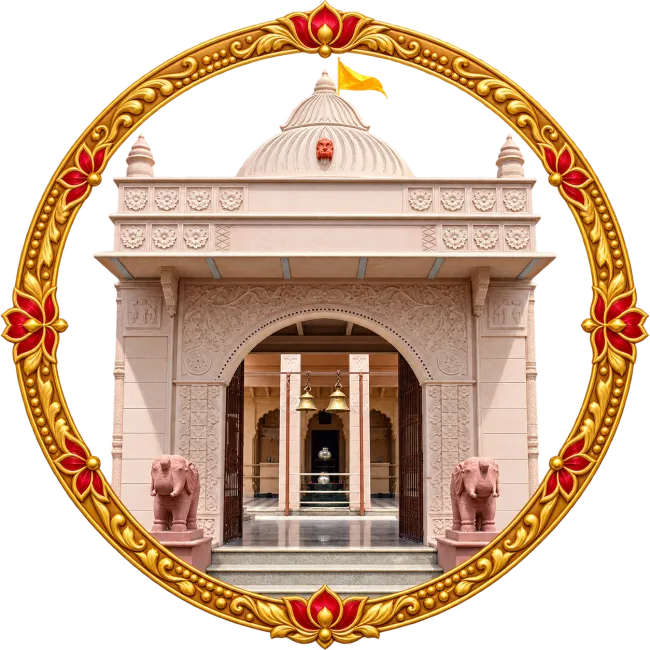
Shri Bhuteshwar Mahadev Temple Mathura
Visit Shri Bhuteshwar Mahadev Temple in Mathura, one of the city’s most ancient and revered Shiva temples. Worshipped as the Kshetrapal and Kotwal of Mathura, Lord Bhuteshwar is believed to protect the sacred city of Lord Krishna from the western direction. The temple is known for its ancient Shiva Lingam, Patal Devi shrine, strong connection with the legends of Shatrughna and Lord Krishna, and grand celebrations during Sawan and Mahashivratri.
About Shri Bhuteshwar Mahadev Temple
Shri Bhuteshwar Mahadev Temple is an ancient Shiva shrine situated near Bhuteshwar Chauraha in Mathura, Uttar Pradesh. The temple is located close to Shri Krishna Janmabhoomi and is an important destination on the traditional Mathura and Braj pilgrimage routes.
Lord Bhuteshwar is worshipped as the Kshetrapal, meaning the divine guardian of a sacred region. Devotees also address him as the Kotwal of Mathura—the spiritual protector responsible for safeguarding Lord Krishna’s holy city.
According to the traditional spiritual geography of Mathura, four ancient Shiva temples protect the city from four directions:
- Bhuteshwar Mahadev protects the western direction.
- Pippaleshwar Mahadev protects the eastern direction.
- Gokarneshwar Mahadev protects the northern direction.
- Rangeshwar Mahadev protects the southern direction.
Devotees traditionally believe that a pilgrimage to Mathura remains incomplete without receiving the blessings of Lord Bhuteshwar Mahadev. Many pilgrims visit this temple either before or after going to Shri Krishna Janmabhoomi.
The temple complex also houses shrines dedicated to Patal Devi, Maa Kali, Giriraj Maharaj, and other Hindu deities. This combination of Shiva, Shakti, and Krishna traditions gives the temple a distinctive place in the religious heritage of Braj.
History of Bhuteshwar Mahadev Temple
Bhuteshwar Mahadev Temple is associated with different layers of religious history and local tradition. The sacred site is considered older than many of Mathura’s present temple structures.
According to a Puranic tradition, Mathura was originally part of the forest region called Madhuvan. The area was controlled by the powerful demon Lavanasura. Shatrughna, the younger brother of Lord Rama, was sent to defeat him.
Before fighting Lavanasura, Shatrughna worshipped Lord Shiva and sought his blessings. After defeating the demon, Shatrughna established the city of Madhura, which later became known as Mathura. Bhuteshwar Mahadev consequently became associated with the establishment and divine protection of the city.
Another tradition states that the ancient Shiva Lingam was established or developed under the patronage of Naga rulers who governed the Mathura region. Archaeological evidence indicates that Shaiva, Vaishnava, Buddhist, Jain, and Naga traditions existed in ancient Mathura.
The Bhuteshwar area has yielded significant archaeological remains, sculptures, inscriptions, and ancient artistic objects. These discoveries demonstrate that the locality was an important religious and cultural centre during the early historical period.
The present temple structure developed through renovation and reconstruction undertaken during later centuries. Historical studies associate an earlier Shaiva shrine at the site with the ancient period, while a larger temple structure existed here by the 18th century.
Who Built Bhuteshwar Mahadev Temple and When?
Temple tradition connects the original establishment of Bhuteshwar Mahadev with Shatrughna, the younger brother of Lord Rama. He is believed to have worshipped Shiva at this place before defeating Lavanasura and establishing the city of Mathura.
A second traditional account associates the installation or development of the ancient Shiva Lingam with the Naga rulers of Mathura. The Naga dynasties were known for their connection with Shiva worship and held power in parts of northern India during the early centuries of the Common Era.
The present temple is the result of several periods of development, renovation, and reconstruction. Its religious foundation is ancient, while structural additions were made by devotees, local rulers, saints, and temple patrons over succeeding centuries.
Therefore, Bhuteshwar Mahadev Temple represents multiple historical phases rather than the work of a single modern builder.
Connection with Lord Krishna
Although Bhuteshwar Mahadev is a Shiva temple, it is closely connected with the Krishna traditions of Mathura.
According to local belief, Lord Shiva came to Mathura to receive the darshan of young Krishna. Because Shiva remained in the sacred region and protected Krishna’s city, he came to be worshipped as its Kshetrapal.
Lord Shiva is deeply respected throughout Braj. In Vrindavan, he is worshipped as Gopeshwar Mahadev, while in Mathura he is honoured as Bhuteshwar, Rangeshwar, Pippaleshwar, and Gokarneshwar.
Devotees visiting Shri Krishna Janmabhoomi frequently include Bhuteshwar Mahadev in their pilgrimage. The temple demonstrates the close spiritual connection between the Vaishnava and Shaiva traditions of Braj.
Religious Significance of Bhuteshwar Mahadev Temple
Bhuteshwar Mahadev is worshipped as the protector of Mathura, destroyer of fear, and guardian of devotees. The name “Bhuteshwar” means the lord of all beings and spiritual forces.
Devotees believe that worshipping Lord Bhuteshwar provides:
- Protection from fear and negative influences
- Courage and emotional strength
- Relief from obstacles
- Peace within the family
- Success in personal and professional life
- Good health and wellbeing
- Spiritual discipline
- Protection during travel
- Fulfilment of sincere wishes
- The blessings of both Shiva and Krishna
The temple is particularly important for people beginning or completing the Mathura Parikrama and Braj Chaurasi Kos Yatra. Pilgrims seek permission and protection from the Kshetrapal before continuing their sacred journey.
Monday, Pradosh Vrat, monthly Shivratri, Sawan Mondays, and Mahashivratri are considered the most auspicious occasions for worship.
Main Deity of Bhuteshwar Mahadev Temple
The principal deity is Lord Shiva in the form of an ancient Shiva Lingam known as Bhuteshwar Mahadev. The Shiva Lingam is worshipped with water, milk, curd, honey, ghee, sugar, sandalwood paste, sacred ash, bel leaves, flowers, and dhatura.
The sanctum is situated at a lower level than parts of the surrounding temple complex. Devotees descend towards the worship area, creating the experience of entering an ancient sacred chamber.
Lord Bhuteshwar is decorated with flowers, bel leaves, sandalwood paste, silver ornaments, and colourful cloth. During Sawan and Mahashivratri, special shringar and elaborate Rudrabhishek ceremonies are performed.
Patal Devi Shrine
One of the most important features of the temple is the sacred shrine of Patal Devi. The shrine is situated in a lower or underground section of the temple complex.
According to local tradition, Patal Devi was worshipped by King Kansa. The ancient location is connected with the Shakti traditions of Mathura and is regarded as a spiritually powerful place.
Devotees visit Patal Devi after receiving darshan of Bhuteshwar Mahadev. They offer flowers, sindoor, chunari, coconuts, sweets, and lamps to the goddess.
The presence of Patal Devi gives the temple a combined Shaiva and Shakta identity. Visitors should move carefully while entering the lower shrine because the passage and steps can be narrow.
Other Shrines inside the Temple
Apart from the main Shiva Lingam and Patal Devi, the temple complex contains shrines or sacred images associated with:
- Maa Kali
- Giriraj Maharaj
- Lord Ganesha
- Goddess Parvati
- Lord Hanuman
- Kartikeya
- Nandi
- Lord Krishna
- Other forms of Shiva and Shakti
Nandi, the sacred bull and vehicle of Lord Shiva, is positioned facing the main sanctum. Devotees traditionally whisper their prayers into Nandi’s ear, believing that he will convey them to Lord Shiva.
Architecture of Bhuteshwar Mahadev Temple
Bhuteshwar Mahadev Temple reflects the traditional style of an ancient North Indian Shiva shrine. Its spiritual importance lies more in its old sanctum, Shiva Lingam, underground spaces, and associated shrines than in monumental decorative architecture.
The main architectural features include:
- A sanctum located below the surrounding ground level
- Ancient-style stone and masonry construction
- Traditional arches and pillars
- A central Shiva Lingam
- Nandi facing the sanctum
- Underground Patal Devi shrine
- Smaller shrines dedicated to Hindu deities
- Bells and religious symbols
- Courtyard spaces for worship and gatherings
- Areas used for Rudrabhishek and special ceremonies
The temple has undergone renovation during different periods. Modern facilities have been added to accommodate devotees, while the principal sacred spaces maintain their ancient character.
Shri Bhuteshwar Mahadev Temple Timings
The temple follows a morning and evening darshan schedule with an afternoon closure.
On Mondays, Pradosh Vrat, Sawan Mondays, and Mahashivratri, the temple may open earlier and remain accessible for extended darshan.
Special Rudrabhishek, festival puja, and shringar ceremonies may affect the regular schedule. Devotees planning a specific puja should confirm the programme with the temple priest before visiting.
Daily Puja and Rituals
Daily worship begins when the temple opens at 5:00 AM. The sanctum is cleaned, lamps are lit, and the Shiva Lingam is ceremonially bathed.
The principal daily rituals include:
- Cleaning and purification of the sanctum
- Jalabhishek
- Panchamrit Abhishek
- Offering of bel leaves
- Application of sandalwood paste and sacred ash
- Morning puja and aarti
- Recitation of Shiva mantras
- Decoration of the Shiva Lingam
- Evening puja and aarti
- Shayan worship
- Distribution of prasad
Devotees frequently chant “Om Namah Shivaya” and the Mahamrityunjaya Mantra. Shiva Chalisa, Rudrashtakam, and passages from the Shiva Mahapuran are also recited.
Special Puja at Bhuteshwar Mahadev Temple
Devotees may arrange special worship with the assistance of authorised priests. Common rituals include:
- Rudrabhishek
- Laghu Rudra Puja
- Mahamrityunjaya Jaap
- Panchamrit Abhishek
- Pradosh Puja
- Sawan Monday Puja
- Mahashivratri Puja
- Kal Sarp-related prayers
- Family welfare puja
- Marriage and relationship prayers
- Navagraha Shanti Puja
Special puja should be arranged directly through authorised priests or the temple management. Visitors should avoid unauthorised intermediaries.
Major Festivals Celebrated at the Temple
Mahashivratri
Mahashivratri is the largest festival celebrated at Bhuteshwar Mahadev Temple. Devotees begin gathering early in the morning and offer water, milk, Panchamrit, bel leaves, dhatura, and flowers.
The celebration includes:
- Special Rudrabhishek
- Four-prahar Shiva worship
- Grand shringar
- Bhajan and kirtan
- Shiva Mahapuran recitation
- Night vigil
- Maha Aarti
- Prasad distribution
- Community bhandara
Sawan Month
The entire month of Sawan is dedicated to Lord Shiva. Thousands of devotees and Kanwariyas visit the temple to offer holy Ganga water.
Every Monday of Sawan includes special Jalabhishek, Rudrabhishek, shringar, bhajan, and aarti. Long queues can continue throughout the day.
Pradosh Vrat
Pradosh Vrat is observed twice every lunar month. Devotees visit during the evening and offer lamps, water, milk, flowers, and bel leaves to Lord Shiva.
Kartik Month
Special lamp offerings and evening worship are performed during Kartik. The temple also forms part of Mathura’s religious journeys during the holy month.
Holi and Janmashtami
Although primarily a Shiva temple, Bhuteshwar Mahadev participates in the major Krishna festivals of Mathura. Special decoration, worship, and devotional programmes may be organised during Holi and Janmashtami.
Offerings and Prasad
Common offerings made to Bhuteshwar Mahadev include:
- Water and Ganga water
- Milk and Panchamrit
- Bel leaves
- White flowers
- Dhatura
- Aak flowers
- Sandalwood paste
- Sacred ash
- Fruits and sweets
- Incense sticks
- Camphor
- Earthen lamps
- Rudraksha
- White cloth
Offerings for Patal Devi include flowers, sindoor, chunari, coconut, sweets, bangles, and shringar items.
Prasad generally consists of batasha, mishri, fruits, peda, coconut, or sweets offered during puja.
Best Time to Visit Bhuteshwar Mahadev Temple
October to March is the most comfortable period for visiting Mathura. The weather remains suitable for temple visits, parikrama, and local sightseeing.
The best daily darshan time is between 6:00 AM and 8:30 AM. Visitors wishing to attend the evening aarti should enter the temple before 6:15 PM.
Sawan is the best period for experiencing grand Shiva worship, but Mondays are extremely crowded. For a quieter darshan, visitors should choose an ordinary weekday.
Entry Fee and Visit Duration
There is no entry fee for general darshan.
A regular visit requires 30 to 60 minutes. Devotees wishing to visit every shrine and perform Jalabhishek may require 1 to 2 hours.
During Sawan Mondays and Mahashivratri, devotees should allow 2 to 3 hours because of long queues.
Charges may apply for individually arranged Rudrabhishek, havan, mantra chanting, or other special ceremonies.
Visitor Guidelines
- Wear modest and respectful clothing.
- Remove footwear at the designated place.
- Follow the queue arranged for Jalabhishek.
- Carry puja materials in a small basket.
- Do not pour excessive milk or water.
- Keep the sanctum and surrounding area clean.
- Walk carefully while visiting Patal Devi.
- Elderly visitors should use support on narrow steps.
- Do not touch sacred images without permission.
- Ask before taking photographs inside the temple.
- Keep children close during crowded festivals.
- Use authorised counters for donations and special puja.
- Follow the instructions of priests, volunteers, and security personnel.
How to Reach Bhuteshwar Mahadev Temple
By Train
Mathura Junction is the nearest major railway station and is situated 3 to 4 kilometres from the temple. Auto-rickshaws, e-rickshaws, and taxis are available outside the station.
Bhuteshwar Railway Station is also situated close to the temple, but fewer trains stop there. Visitors travelling by long-distance train should generally use Mathura Junction.
By Road
Mathura is connected with Delhi, Agra, Noida, Faridabad, Bharatpur, Jaipur, and other cities through national highways and the Yamuna Expressway.
From Mathura’s bus stand or city centre, visitors can take an auto-rickshaw or e-rickshaw to Bhuteshwar Chauraha.
By Air
Agra Airport is the nearest operational airport. Delhi’s Indira Gandhi International Airport offers greater domestic and international connectivity.
Travellers can reach Mathura from Delhi by train, bus, taxi, or the Yamuna Expressway.
Nearby Places to Visit
Visitors can combine Bhuteshwar Mahadev Temple with:
- Shri Krishna Janmabhoomi
- Potra Kund
- Dwarkadhish Temple
- Vishram Ghat
- Bhuteshwar Railway Station area
- Gokarneshwar Mahadev Temple
- Pippaleshwar Mahadev Temple
- Rangeshwar Mahadev Temple
- Kans Qila
- Gita Mandir
- Birla Mandir
- Mathura Museum
Conclusion
Shri Bhuteshwar Mahadev Temple is one of Mathura’s most important Shiva shrines. Worshipped as the western guardian, Kshetrapal, and Kotwal of the sacred city, Lord Bhuteshwar holds a special place in the religious traditions of Braj.
The temple’s association with Shatrughna, the ancient Naga rulers, Lord Krishna, and the sacred geography of Mathura gives it deep historical and spiritual importance. Its ancient Shiva Lingam, underground Patal Devi shrine, daily Jalabhishek, Sawan celebrations, and Mahashivratri worship attract devotees throughout the year.
Whether visitors come to begin their Mathura pilgrimage, complete the city parikrama, attend morning aarti, perform Rudrabhishek, or seek the protection of the city’s divine guardian, Bhuteshwar Mahadev Temple offers a powerful experience of Shiva devotion within the sacred land of Lord Krishna.