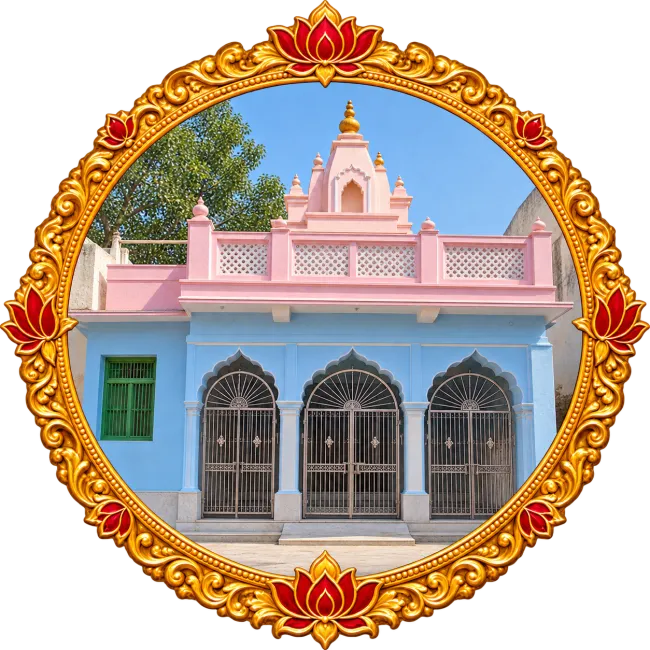
Sheetla Mata Temple Mainpuri
Visit Sheetla Mata Temple in Mainpuri, one of the oldest and most revered Shakti temples in Uttar Pradesh. Established in 1478 by Maharaja Jagatman Devju, this ancient Siddhpeeth is dedicated to Maa Sheetla, the goddess traditionally worshipped for good health, protection from diseases, family welfare, and the fulfilment of wishes. The temple is especially famous for its centuries-old Neja offering tradition, grand Navratri celebrations, and the historic Shri Devi Mela organised during Chaitra Navratri.
About Sheetla Mata Temple Mainpuri
Sheetla Mata Temple is a prominent religious destination situated on Devi Road in Udetpur Abhai, on the northern side of Mainpuri city. The shrine is dedicated to Maa Sheetla Devi, a revered manifestation of Adi Shakti associated with health, cleanliness, healing, protection, and inner peace.
The temple is considered a Siddhpeeth by local devotees. It is believed that prayers offered here with devotion help worshippers overcome fear, family difficulties, health-related worries, and negative influences. Parents particularly pray to Maa Sheetla for the health and protection of their children.
Thousands of devotees from Mainpuri, Etah, Etawah, Firozabad, Farrukhabad, Agra, and nearby rural areas visit the temple throughout the year. The largest gatherings take place during Chaitra Navratri, Sharadiya Navratri, Durga Ashtami, Maha Navami, and Sheetla Ashtami.
The temple is also associated with the historic Shri Devi Mela and Gram Sudhar Pradarshini. This major cultural and religious fair is organised during March or April and continues for several days. Religious ceremonies, cultural programmes, devotional singing, exhibitions, rural development displays, and community events form part of the celebration.
History of Sheetla Mata Temple Mainpuri
Sheetla Mata Temple was established in 1478 during the reign of Maharaja Jagatman Devju, the 11th ruler of Mainpuri’s royal lineage. The royal line of Mainpuri is traditionally traced to Maharaja Devbrahm, who is associated with the year 1173.
Maharaja Jagatman Devju was a devoted worshipper of Maa Adya Shakti at Kada Manikpur. According to the temple’s religious tradition, the king travelled to the famous Shakti shrine at Kada during Chaitra Navratri. Pleased with his devotion, the goddess appeared in his dream and instructed him to establish her sacred form in Mainpuri.
After returning to Mainpuri, Maharaja Jagatman Devju selected a site on the Mainpuri–Kurawali road and ordered the construction of a grand temple. He installed a beautifully crafted image of Maa Adya Shakti and performed its consecration according to religious customs.
The original image was regarded as an excellent example of the sculpture, craftsmanship, and temple art of the period. The temple gradually became an important centre of Shakti worship for the royal family as well as residents of the surrounding region.
During the 16th century, outbreaks of smallpox and measles reportedly affected Mainpuri and nearby areas. The local population began praying to Maa Adya Shakti for protection and relief. As these illnesses were associated with intense fever and heat, devotees started worshipping the goddess as Maa Sheetla—the divine mother who provides cooling, comfort, health, and protection.
The temple consequently became famous as Sheetla Mata Temple. The sacred site has now remained a centre of public faith for more than five centuries.
A traditional account also states that the valuable ancient image of the goddess was stolen several decades ago. According to local belief, the thieves were unable to carry it very far and abandoned it beneath a banyan tree near Devi Gate. Devotees later recovered the image and respectfully reinstalled it in the temple.
Who Built Sheetla Mata Temple and When?
Sheetla Mata Temple was built and established by Maharaja Jagatman Devju in 1478. He constructed the shrine after receiving a divine instruction from Maa Adya Shakti during his pilgrimage to the Shakti shrine at Kada Manikpur.
The temple is therefore more than five centuries old and represents an important part of Mainpuri’s religious and royal heritage. Repairs, renovations, and additions have been carried out during different periods, but the temple’s spiritual identity remains connected with the original establishment by Maharaja Jagatman Devju.
Development projects have also been proposed for improving the temple complex, lighting, approach roads, pilgrim facilities, drinking water, sanitation, security, parking, and spaces for religious gatherings.
Religious Significance of Sheetla Mata Temple
Maa Sheetla is traditionally worshipped as the goddess who protects devotees from illness, infection, fever, skin-related problems, and seasonal diseases. She also represents cleanliness, physical wellbeing, peace, and protection of children.
Devotees visit the temple to pray for:
- Good health and recovery from illness
- Protection of children
- Family happiness and harmony
- Relief from fear and anxiety
- Protection from negative influences
- Success in personal and professional life
- Peaceful married life
- Fulfilment of wishes
- Courage during difficult circumstances
- Prosperity and spiritual wellbeing
Maa Sheetla is traditionally depicted carrying a broom, a winnowing fan, a pot of sacred water, and neem leaves. These objects symbolise cleanliness, purification, cooling, protection, and a healthy environment.
The broom represents cleanliness, while the pot represents pure and cooling water. Neem leaves are traditionally associated with purification and protection. These symbols make the worship of Maa Sheetla closely connected with personal hygiene and community health.
Beliefs concerning relief from illness are part of the temple’s religious tradition and should not be considered a substitute for professional medical care.
Architecture of Sheetla Mata Temple
Sheetla Mata Temple reflects traditional North Indian temple architecture with artistic influences connected with royal construction. Its entrance, main prayer hall, sanctum, decorative patterns, and sacred structures reflect the temple’s long history.
The sanctum sanctorum houses the sacred image of Maa Sheetla Devi. The goddess is decorated with colourful clothes, a crown, jewellery, flowers, garlands, sindoor, and a chunari. Red, yellow, and orange are commonly used because these colours represent Shakti, purity, prosperity, and devotion.
The temple complex includes open spaces where devotees gather for aarti, havan, bhajan, kanya pujan, and community ceremonies. During Navratri, the entire complex is decorated with flowers, religious flags, lights, and colourful fabric.
A historic Shiva shrine is also associated with the temple complex. Religious structures, sacred trees, ceremonial areas, and spaces used for Neja offerings contribute to the spiritual character of the site.
Main Deity of Sheetla Mata Temple
The presiding deity is Maa Sheetla Devi, worshipped as a manifestation of Goddess Durga or Adi Shakti. The goddess represents healing, cooling energy, protection, cleanliness, and motherly compassion.
Devotees believe that Maa Sheetla watches over children and protects families from illness and misfortune. Women frequently visit the temple to pray for the health, happiness, and longevity of their children and other family members.
The deity is adorned with a fresh dress, chunari, flowers, jewellery, and seasonal decorations. During Navratri, special shringar is performed every day according to the form of Goddess Durga worshipped on that particular date.
Sheetla Mata Temple Mainpuri Timings
The regular darshan and worship schedule is:
During Chaitra Navratri and Sharadiya Navratri, the temple may remain open for extended hours or throughout the day and night to accommodate the large number of devotees. Festival aarti, havan, Neja offerings, and special puja may follow a separate schedule.
Visitors travelling from another city should confirm the day’s aarti and closing time with the temple management because timings may be changed during festivals, maintenance work, or special ceremonies.
Daily Puja and Aarti
The daily worship begins with the cleaning and purification of the sanctum. Lamps and incense are lit, and Maa Sheetla is adorned with fresh clothes, flowers, jewellery, sindoor, and a chunari.
The regular worship includes:
- Cleaning and purification of the sanctum
- Shringar of Maa Sheetla
- Offering of flowers and chunari
- Recitation of Sheetla Mata mantras
- Morning puja and aarti
- Offering of bhog
- Distribution of prasad
- Evening lamp-lighting ceremony
- Evening puja and aarti
- Devotional songs and Mata bhajans
Devotees may also arrange Durga Saptashati recitation, havan, Mata Ki Chowki, kanya pujan, mundan, and other family ceremonies after consulting the authorised priests.
Neja Offering Tradition
One of the most distinctive traditions of Sheetla Mata Temple is the offering of a Neja. A Neja is a decorated religious flag or ceremonial spear carried by groups of devotees as an expression of gratitude, faith, or fulfilment of a vow.
Devotees travel to the temple in processions accompanied by drums, devotional music, dancing, and chants of “Jai Mata Di.” The Neja is respectfully offered to Maa Sheetla after completing the prescribed worship.
Families generally bring a Neja when:
- A religious vow has been fulfilled
- A child has recovered from illness
- A wedding has taken place
- A child has been born
- A family has received the desired blessing
- Devotees wish to express gratitude to the goddess
The number of Neja processions increases considerably during Chaitra Navratri and the Shri Devi Mela.
Major Festivals Celebrated at the Temple
Chaitra Navratri
Chaitra Navratri is the largest religious celebration at Sheetla Mata Temple. Thousands of devotees visit the shrine for darshan, puja, Neja offerings, kanya pujan, and havan.
The temple is decorated with flowers, lights, flags, and colourful fabrics. Long queues begin forming early in the morning and continue until late at night.
Shri Devi Mela and Gram Sudhar Pradarshini
The historic Shri Devi Mela is held during March or April in connection with Chaitra Navratri. It is one of Mainpuri’s major cultural events and traditionally continues for several days.
The programme includes religious ceremonies, bhajan evenings, cultural performances, exhibitions, community activities, rural development displays, and public entertainment.
Sharadiya Navratri
Sharadiya Navratri is celebrated with daily shringar, Durga Saptashati recitation, bhajan-kirtan, havan, morning and evening aarti, and prasad distribution.
Sheetla Ashtami
Sheetla Ashtami is dedicated specifically to Maa Sheetla. Devotees offer cold or previously prepared food as bhog, following the traditional custom associated with the goddess.
Durga Ashtami and Maha Navami
Kanya pujan, kanya bhoj, havan, and special aarti are organised on Ashtami and Navami. These are among the busiest days at the temple.
Offerings and Prasad
Common offerings made to Maa Sheetla include:
- Red or yellow chunari
- Flowers and garlands
- Coconut
- Sindoor and kumkum
- Incense sticks
- Earthen lamps
- Batasha and mishri
- Puri and halwa
- Fruits and sweets
- Neem leaves
- Bangles and shringar items
- Religious flags and Neja
On Sheetla Ashtami, devotees traditionally offer food prepared on the previous day. This custom is known as Basoda or Basiaura worship. Visitors should follow the instructions given by the priests regarding the preparation and presentation of bhog.
Best Time to Visit Sheetla Mata Temple
October to March is the most comfortable period for visiting the temple. The weather during these months is suitable for darshan and exploring other attractions in Mainpuri.
For a peaceful visit, devotees should arrive between 7:00 AM and 9:30 AM. Visitors who wish to attend the evening aarti should reach the temple before 6:30 PM.
Chaitra Navratri is the best period for experiencing the temple’s grand celebrations, Neja processions, religious programmes, and Shri Devi Mela. However, it is also the most crowded time of the year.
Entry Fee and Visit Duration
There is no entry fee for visiting Sheetla Mata Temple.
A normal darshan generally requires 30 to 60 minutes. During Navratri, Sheetla Ashtami, Ashtami, Navami, and Shri Devi Mela, devotees may need 1 to 3 hours because of long queues.
Charges may apply for individually arranged puja, havan, religious recitation, or family ceremonies. Such services should be arranged only through authorised temple representatives.
Visitor Guidelines
- Wear modest and respectful clothing.
- Remove footwear at the designated place.
- Follow the queue and security instructions.
- Maintain silence near the sanctum.
- Do not touch the deity or sacred objects without permission.
- Deposit Neja and other large offerings only at the designated place.
- Avoid carrying valuable jewellery during crowded festivals.
- Keep children and elderly family members close.
- Do not litter inside the temple complex.
- Use only authorised counters for donations and special puja.
- Ask permission before taking photographs inside the sanctum.
- Do not block the pathway during aarti or religious processions.
How to Reach Sheetla Mata Temple Mainpuri
By Train
Mainpuri Junction is the nearest railway station and is situated approximately 5 kilometres from the temple. The station lies on the Shikohabad–Farrukhabad railway route.
Auto-rickshaws, e-rickshaws, and taxis are available outside the station. Visitors can ask for Sheetla Mata Temple on Devi Road in Udetpur Abhai.
By Road
The temple is situated approximately 2 kilometres from Mainpuri district headquarters. Mainpuri is connected by road with Agra, Etah, Etawah, Shikohabad, Firozabad, Farrukhabad, and other nearby cities.
UPSRTC buses, private buses, taxis, and personal vehicles can be used to reach Mainpuri. From the bus stand or city centre, local transport is available for Devi Road.
By Air
Agra Airport is the nearest airport and is located approximately 130 kilometres from Mainpuri. Visitors can hire a taxi or travel by road from Agra to the temple.
Lucknow Airport is another option for travellers arriving from distant cities, although it is farther from Mainpuri.
Nearby Places to Visit
Visitors may also explore:
- Maharaja Tej Singh Fort
- Kali Mata Temple on Devi Road
- Bhimsen Temple
- Falahari Ashram
- Saman Bird Sanctuary
- Mainpuri city markets
- Historic Shri Devi Mela Ground
- Other ancient Shiva and Devi temples in Mainpuri
Conclusion
Sheetla Mata Temple is one of the most important religious and historical landmarks of Mainpuri. Established by Maharaja Jagatman Devju in 1478, the temple has served as a centre of Shakti worship for more than five centuries.
Its association with Maa Adya Shakti, traditional beliefs concerning protection and health, the centuries-old Neja offering, and the historic Shri Devi Mela give the shrine a unique identity. The grand celebrations of Chaitra and Sharadiya Navratri further strengthen its importance in the spiritual life of Mainpuri.
Whether visitors come to attend the morning aarti, offer a Neja, participate in Navratri celebrations, pray for their family’s wellbeing, or experience the temple’s historic atmosphere, Sheetla Mata Temple offers a deeply devotional and culturally meaningful experience.