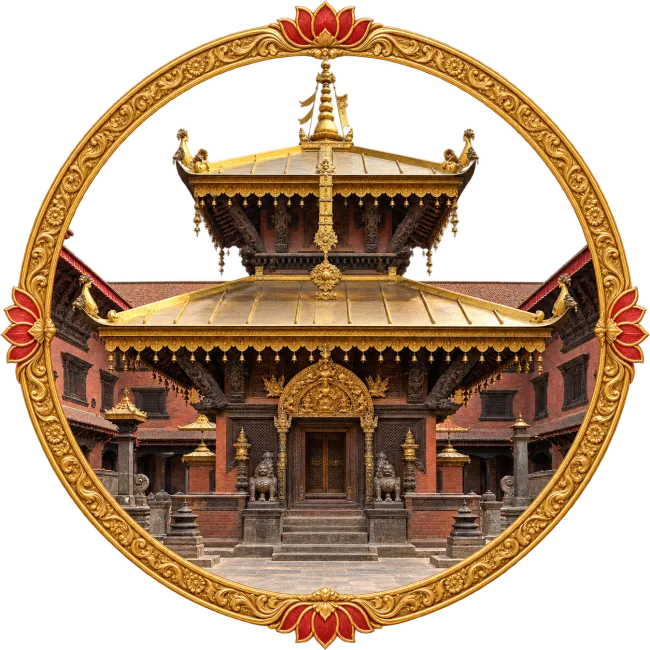
Seto Machindranath Temple, Jana Bahal, Kathmandu
Visit Seto Machindranath Temple at Jana Bahal, one of Kathmandu’s most important shared pilgrimage sites for Hindus and Buddhists. The temple is dedicated to Seto Machindranath, the white form of the compassionate deity who is worshipped by Buddhists as Avalokiteshvara and by Hindus as a manifestation associated with Lord Shiva and Matsyendranath.
Seto Machindranath is also known as Jana Baha Dyo and Karunamaya, meaning the compassionate one. The temple’s peaceful courtyard, traditional Newari architecture and annual chariot festival make it an important religious and cultural destination in central Kathmandu.
About Seto Machindranath Temple
Seto Machindranath Temple is located inside Jana Bahal, a traditional Newar Buddhist courtyard near Kel Tole and Indra Chowk in Kathmandu.
The deity is known by several names:
Seto Machindranath
White Machindranath
Jana Baha Dyo
Karunamaya
Aryavalokiteshvara
Lokeshvara
The word Seto means white, distinguishing this deity from Rato Machindranath, the red form worshipped in Patan.
Buddhists worship Seto Machindranath as Avalokiteshvara, the Bodhisattva of infinite compassion. Hindu devotees associate him with Matsyendranath and Lord Shiva.
The temple demonstrates Kathmandu Valley’s tradition of shared worship, where Hindu and Buddhist practices exist together within the same sacred space.
History of Seto Machindranath Temple
The worship of Seto Machindranath in Kathmandu dates back several centuries. The sacred image and Jana Bahal shrine developed during the medieval period when the Malla rulers governed the Kathmandu Valley.
The principal deity is believed to have been installed at Jana Bahal between the late 15th and early 16th centuries. Kathmandu’s Malla rulers and local Newar communities supported the construction and development of the shrine.
The temple was later renovated during the reign of King Pratap Malla in the 17th century. Pratap Malla commissioned and restored several temples, courtyards and religious monuments throughout Kathmandu.
Traditional Guthi organizations and local Buddhist communities continued to manage the temple, daily worship and annual chariot festival.
The temple has undergone repairs following fires, earthquakes and natural deterioration. However, its traditional courtyard design and Newari architectural character have been preserved.
Legend Behind the Discovery of the Deity
According to a popular local legend, the sacred image of Seto Machindranath was discovered in a field near Jamal.
A farmer was working in the field when his tool struck a solid object beneath the ground. After carefully removing the soil, he discovered a beautiful sacred image.
Religious leaders and local residents recognized it as a divine form of Avalokiteshvara or Karunamaya. The deity expressed the desire to be installed at Jana Bahal, where people from different communities could worship together.
The image was ceremonially carried to Jana Bahal and placed inside the temple. The location where the deity was discovered later became the starting point of the annual Seto Machindranath chariot festival.
The legend explains why the chariot journey begins near Jamal and proceeds through the historic streets of Kathmandu.
Buddhist Significance of Seto Machindranath
Buddhists worship Seto Machindranath as Aryavalokiteshvara, the Bodhisattva who hears the cries of all living beings.
Avalokiteshvara represents:
Infinite compassion
Protection from suffering
Wisdom
Long life
Peace
Freedom from fear
Commitment to helping all living beings
Newar Buddhists refer to the deity as Jana Baha Dyo because the image is enshrined inside Jana Bahal.
Devotees believe that worshipping Karunamaya helps develop compassion, patience and kindness. Buddhist priests perform traditional rituals, lamp offerings and recitation of sacred texts before the deity.
Hindu Significance of Seto Machindranath
Hindu devotees identify Seto Machindranath with Matsyendranath, an important teacher within the Nath tradition. He is also associated with Lord Shiva and regarded as a deity who controls rain and agricultural prosperity.
Hindus pray to Seto Machindranath for:
Rainfall
Good harvests
Protection from disease
Long life
Family prosperity
Removal of obstacles
Peace and compassion
Recovery from illness
Safe travel
Fulfilment of sincere wishes
The combination of Hindu and Buddhist worship makes the temple an important symbol of religious harmony in Nepal.
Main Deity of Seto Machindranath Temple
The principal deity is a white-coloured image of Seto Machindranath or Avalokiteshvara.
The image has a calm and compassionate expression and is decorated with:
Golden ornaments
Traditional crown
White and colourful garments
Flower garlands
Sacred jewellery
Ritual cloth
Seasonal decorations
The white colour symbolizes purity, peace, wisdom and compassion.
The deity is worshipped by both Hindu and Buddhist priests according to established Newar traditions. During special ceremonies, the image is bathed, dressed and presented for public worship.
Architecture of Seto Machindranath Temple
Seto Machindranath Temple is situated within a traditional Newar Bahal or Buddhist monastic courtyard.
The main shrine combines pagoda-style temple design with features commonly found in Newar Buddhist monasteries.
Important architectural features include:
Traditional Newari courtyard
Multi-tiered pagoda-style shrine
Carved wooden doors and windows
Decorated wooden supports
Metal and gilded roof elements
Ornamental Torana above the entrance
Buddhist Chaityas
Prayer wheels
Oil-lamp stands
Sacred bells
Images of Buddhist and Hindu deities
Traditional brick construction
The courtyard provides a calm environment despite being located within one of Kathmandu’s busiest market areas.
Seto Machindranath Temple Timings
The schedule may be extended during Seto Machindranath Jatra, bathing ceremonies and important Newar festivals.
Morning Puja and Aarti
The temple opens at 5:30 AM. Priests clean the shrine and prepare the deity with fresh garments, flowers and traditional ornaments.
Morning Puja begins at 6:00 AM, followed by Aarti and ceremonial lamp offering at 6:30 AM.
The deity is worshipped with:
Flowers and garlands
Incense
Butter lamps
Sacred water
Rice and grains
Fruits and sweets
White cloth
Buddhist and Hindu prayers
The period between 6:30 AM and 9:00 AM is suitable for peaceful darshan. The surrounding market streets become crowded later in the day.
Special Puja
Special pujas are generally arranged between 7:00 AM and 11:00 AM.
Devotees may request prayers for:
Long life
Recovery from illness
Family peace
Compassion and wisdom
Safe travel
Success in education
Removal of obstacles
Peace for departed family members
Special ceremonies may include mantra recitation, butter-lamp offerings, flowers, incense and donations to the temple community.
All special worship should be arranged through authorized priests or temple caretakers.
Bhog and Afternoon Darshan
Bhog is offered to Seto Machindranath at 12:00 PM. The offering may contain rice, fruits, sweets and traditional Newari vegetarian dishes.
Afternoon darshan continues after the completion of the Bhog ritual. The courtyard remains accessible to devotees and heritage visitors.
Visitors should avoid disturbing priests or community members performing private ceremonies.
Evening Puja and Aarti
Evening Puja begins at 6:30 PM, followed by Aarti and lamp offering at 7:00 PM.
Butter lamps and oil lamps are offered before the deity while priests and devotees recite prayers. The illuminated shrine and quiet courtyard create a peaceful atmosphere in the evening.
Visitors should reach Jana Bahal before 6:30 PM to attend the complete ceremony.
Seto Machindranath Jatra
Seto Machindranath Jatra is the temple’s most important annual festival. It is usually celebrated during the spring season in the month of Chaitra.
The sacred image is removed from the temple and placed upon a tall wooden chariot. The chariot journey begins near Jamal, where the deity is traditionally believed to have been discovered.
The procession travels through historic areas of Kathmandu, including:
Jamal
Ason
Indra Chowk
Kathmandu Durbar Square
Lagan
Local communities pull the chariot using large ropes. Residents offer flowers, incense, lamps and water as the deity passes through their neighbourhoods.
The festival is believed to bring rain, health, prosperity and compassion to the city.
Main Events of Seto Machindranath Jatra
Removal of the Deity
Authorized priests ceremonially remove the sacred image from Jana Bahal and prepare it for the chariot journey.
Chariot Construction
Traditional craftsmen construct the wooden chariot using established Newar techniques.
Procession Through Kathmandu
The chariot moves slowly through the historic market streets. Devotees gather on roads, balconies and rooftops for darshan.
Community Worship
Local families offer lamps, flowers and traditional food as the chariot enters each neighbourhood.
Return to Jana Bahal
After completing the procession, the deity is returned to the temple and reinstalled through special rituals.
Sacred Bathing Ceremony
The deity receives a ceremonial bath during a special annual ritual. Priests bathe the sacred image with water and traditional substances before dressing it in fresh garments and ornaments.
The ceremony symbolizes:
Purification
Renewal
Health
Rainfall
Agricultural prosperity
Blessings for Kathmandu
Devotees gather to witness the ritual and receive blessed water or prasad.
Other Festivals Celebrated
Buddha Jayanti
Buddhist devotees offer lamps, incense and prayers to Avalokiteshvara.
Indra Jatra
The deity and Jana Bahal community participate in the wider religious traditions of Kathmandu during Indra Jatra.
Dashain
Hindu devotees offer prayers for protection and prosperity.
Gunla
Newar Buddhists visit temples and monasteries during the sacred month of Gunla.
Purnima
Full-moon days are considered auspicious for butter-lamp offerings and Avalokiteshvara worship.
Newar Community Festivals
Jana Bahal hosts several traditional rituals connected with the local Buddhist community and its Guthi institutions.
Offerings and Prasad
Common offerings made to Seto Machindranath include:
White flowers
Lotus flowers
Flower garlands
Incense
Butter lamps
Oil lamps
Rice and grains
Fruits and sweets
White cloth
Prayer flags
Sacred threads
Monetary donations
Prasad may include fruits, sweets, flowers, blessed water and sacred threads.
Devotees should use the designated areas for lighting butter lamps and presenting offerings.
Entry Fee and Visit Duration
There is no entry fee for regular darshan at Seto Machindranath Temple. Charges may apply for special pujas, lamp offerings and ceremonial arrangements.
A regular visit requires 45–60 minutes. Visitors exploring Indra Chowk, Ason Market and Kathmandu Durbar Square should keep three to four hours.
During the Jatra, visitors should keep additional time because road closures and large crowds affect movement.
Visitor Guidelines
Wear modest and respectful clothing.
Remove footwear before approaching the main shrine.
Maintain silence during Puja and meditation.
Ask permission before photographing the deity.
Photography may be restricted during bathing rituals.
Keep mobile phones on silent mode.
Do not touch the deity or ritual objects.
Walk clockwise around the shrine where directed.
Use designated stands for butter lamps.
Use authorized priests for special ceremonies.
Keep the courtyard clean.
Respect both Hindu and Buddhist worship practices.
Do not block narrow entrances and market lanes.
Keep personal belongings secure.
Follow instructions during the chariot festival.
Best Time to Visit
October to March is suitable for exploring central Kathmandu because the weather remains pleasant.
The spring festival of Seto Machindranath Jatra provides the most vibrant cultural experience, although the surrounding streets remain crowded.
For peaceful darshan, visit between 6:30 AM and 9:00 AM. Evening visitors should reach between 5:30 PM and 6:30 PM to attend the final worship.
How to Reach Seto Machindranath Temple
By Air
Tribhuvan International Airport is the nearest airport. Visitors can take a taxi to Thamel, Ason or Indra Chowk and continue on foot.
From Thamel
Jana Bahal is approximately 1 kilometre from Thamel. Walking through Ason Market is the most convenient option.
From Indra Chowk
The temple is situated close to Indra Chowk and can be reached by walking through the traditional market lanes.
From Kathmandu Durbar Square
Jana Bahal is located within walking distance of Kathmandu Durbar Square. The route passes through Indra Chowk.
From Ratna Park
Visitors can walk, hire a cycle-rickshaw or take a taxi to a nearby drop-off point.
From India
Indian visitors can reach Kathmandu by air or enter Nepal through road-border points such as Raxaul–Birgunj and Sunauli–Bhairahawa.
Indian citizens should carry a valid passport or voter identity card and confirm transportation requirements before departure.
Nearby Places to Visit
Akash Bhairav Temple
Indra Chowk
Ason Market
Kathmandu Durbar Square
Taleju Bhawani Temple
Kumari Ghar
Hanuman Dhoka Palace
Kal Bhairav Temple
Seto Bhairav
Kasthamandap
Annapurna Temple
Freak Street
Conclusion
Seto Machindranath Temple at Jana Bahal is one of Kathmandu’s finest examples of shared Hindu and Buddhist devotion. Buddhists worship the deity as Avalokiteshvara, while Hindus associate him with Matsyendranath and Lord Shiva.
The temple’s peaceful Newari courtyard, compassionate white deity and annual chariot festival create a unique spiritual and cultural experience.
Worshipping Seto Machindranath is believed to provide long life, good health, compassion and freedom from suffering. A visit to Jana Bahal offers a meaningful opportunity to experience the religious harmony and living traditions of historic Kathmandu.