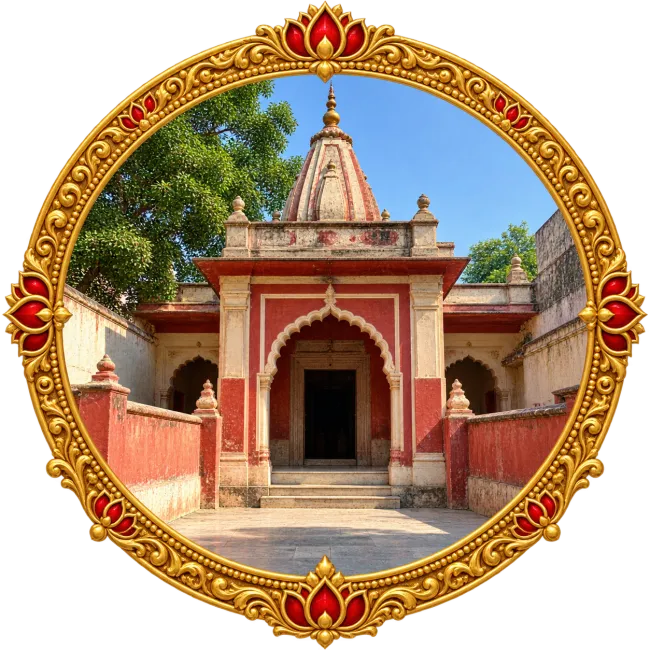
Sadar Maa Kali Mata Temple, Meerut
Visit Sadar Maa Kali Mata Temple Meerut, an ancient Siddhpeeth dedicated to the powerful and protective form of Goddess Mahakali. Situated in the narrow lanes of Sadar Bazaar in Meerut Cantonment, the temple is believed to be more than 450 years old and is one of the city’s most revered Shakti shrines.
The temple is also known as Siddhpeeth Mahakali Mandir and Shamshan Mahakali Temple because the sacred site was formerly associated with a cremation ground. Devotees believe that Maa Kali protects her worshippers from fear, negative energy, hidden dangers, and difficult circumstances. The temple is particularly famous for its late-night Mahaaarti, Navratri celebrations, Amavasya worship, and the centuries-old tradition of worship maintained by a Bengali priestly family.
About Sadar Maa Kali Mata Temple Meerut
Sadar Maa Kali Mata Temple is located in Sadar Bazaar, Meerut Cantonment, Uttar Pradesh. It is dedicated to Maa Mahakali, the fierce yet compassionate form of Goddess Shakti who destroys evil, protects Dharma, and grants courage to her devotees.
The temple is considered a Siddhpeeth, meaning a sacred place where generations of worship and spiritual practices have established a powerful devotional tradition. Devotees from Meerut, nearby districts, and other states visit the temple to seek Maa Kali’s blessings.
The principal idol of Maa Kali is worshipped according to traditional Bengali customs. The Goddess is decorated with flowers, garlands, a crown, jewellery, red clothes, and sacred ornaments. Shrines of Lord Hanuman and Bhairav Baba are also located near the main deity.
The temple is especially crowded on Saturdays, Tuesdays, Amavasya, Chaitra Navratri, Sharadiya Navratri, Kali Puja, and Diwali. Coconut, red chunri, flowers, sindoor, and shringar items are among the principal offerings made by devotees.
History of Sadar Maa Kali Mata Temple
The history of Sadar Maa Kali Mata Temple is believed to be more than 450 years old. The place where the temple now stands was once used as a cremation ground. A small idol of Maa Kali was worshipped at this site even when there was no large temple building.
Residents and travellers passing through the area began offering prayers before the small idol. As stories of fulfilled wishes and divine protection spread, the number of devotees gradually increased.
According to the temple’s traditional account, Neelkanth Banerjee, who came to Meerut from Bengal, formally established the worship of Maa Kali at this sacred site. His family adopted the Goddess as their Kuldevi and began performing regular puja according to Bengali Shakti traditions.
One local tradition states that an ancestor of the priestly family received a divine indication in a dream that the sacred idol was present inside a well. The idol was retrieved and formally installed for worship. The same divine form continues to be revered in the temple.
The descendants of the Banerjee family have continued serving Maa Kali for several generations. Their uninterrupted worship has preserved the temple’s Bengali ritual traditions and distinctive spiritual identity.
A larger temple structure was constructed approximately 150 years ago as the shrine gained recognition beyond Meerut. Over time, the temple underwent renovation and beautification, but its original deity and traditional worship practices were preserved.
The temple is presently cared for by the priestly families and the Kali Mandir Sewa Trust. The trust also supports temple maintenance, beautification, religious services, and community welfare activities.
Why It Is Called Shamshan Mahakali Temple
Maa Kali is closely associated with the destruction of evil, freedom from fear, and the ultimate truth of life and death. The temple is known as Shamshan Mahakali Temple because the location was traditionally used as a cremation ground before the present neighbourhood and market developed.
A small image of the Goddess was worshipped at the cremation site. As devotees experienced peace and believed that their wishes were being fulfilled, regular worship began and a permanent temple was eventually constructed.
The name Shamshan Mahakali does not represent fear or negativity. It reflects the spiritual teaching that Maa Kali removes attachment, pride, ignorance, and fear of death. Her form reminds devotees that truth and divine consciousness remain eternal while material existence continually changes.
The temple’s location and ancient tradition have made it an important centre for worship on Amavasya. Special prayers are offered to Maa Kali for protection, courage, mental peace, and freedom from negative influences.
Religious Significance of Maa Kali
Maa Kali represents divine time, transformation, strength, and the destruction of evil. Her fierce appearance symbolises the removal of ego, injustice, ignorance, and harmful forces.
Although her appearance is powerful, devotees worship her as a compassionate mother who protects her children. She is believed to provide courage during difficult periods and help worshippers overcome fear, stress, and emotional weakness.
Devotees visit Sadar Maa Kali Mata Temple to pray for:
- Protection from negative influences.
- Freedom from fear and mental distress.
- Courage to face difficult situations.
- Peace and harmony within the family.
- Good health and recovery from illness.
- Progress in employment and business.
- Protection of children and family members.
- Removal of obstacles in marriage.
- Victory over injustice and opposition.
- Fulfilment of sincere wishes.
- Spiritual strength and self-confidence.
The temple is also visited by devotees who wish to offer gratitude after a prayer has been fulfilled. They return with coconut, chunri, sweets, flowers, or other offerings.
Panchmundi Tradition of the Temple
According to a local temple tradition, the sacred form of Maa Kali is seated upon a Panchmundi pedestal. In Shakta worship, a Panchmundi seat symbolically represents victory over fear, ego, animal instincts, attachment, and the limitations of the physical world.
The tradition connects the temple with the ancient spiritual practices of Bengal and the worship of Maa Kali as the supreme protective power.
Devotees are not permitted to touch the principal idol. Darshan and offerings are conducted according to the instructions of the temple priests so that the sanctity of the deity and the centuries-old worship tradition are maintained.
Traditions Associated With the Temple
Several local beliefs are associated with Sadar Maa Kali Mata Temple. Devotees believe that Maa Kali protects the temple after the final Mahaaarti and the closing of the sanctum.
Another popular tradition states that on certain Amavasya nights, some worshippers and priests have experienced the sound of anklets within the temple premises. Devotees regard this as a sign of the Goddess’s divine presence.
It is also believed that the appearance of the idol becomes more powerful during Navratri, especially from the sixth day until Navami. These beliefs form part of the temple’s oral tradition and express the deep devotion of generations of worshippers.
Architecture of Sadar Maa Kali Mata Temple
Sadar Maa Kali Mata Temple is situated within the busy and narrow lanes of Sadar Bazaar. Although the approach is compact, the temple’s decorated interiors create a distinctive sacred atmosphere.
The main sanctum houses the ancient idol of Maa Kali. The deity is positioned centrally, with sacred images of Lord Hanuman and Bhairav Baba located nearby. Bhairav is traditionally worshipped as the guardian of Shakti temples.
The temple features decorative stonework and carved designs. Images of elephants, peacocks, lotus flowers, and other traditional symbols can be seen in different parts of the structure.
The temple walls, pillars, and sanctum are decorated with colourful religious designs. During Navratri and Kali Puja, the complex is adorned with flowers, lights, red fabric, sacred flags, and elaborate shringar.
Because the temple is situated within a traditional market area, it does not have the vast open grounds found at modern temples. Its compact structure, ancient idol, Bengali worship traditions, and late-night Mahaaarti create an intimate and powerful devotional atmosphere.
Sadar Maa Kali Mata Temple Timings
The regular darshan and worship schedule of Sadar Maa Kali Mata Temple is as follows:
The 10:00 PM Mahaaarti is one of the temple’s most important daily rituals. It is traditionally performed with lamps, bells, drums, and nagaras.
On Navratri, Amavasya, Kali Puja, Ashtami, and Navami, the temple schedule may be extended and special aartis may be conducted. Devotees should follow the current schedule displayed at the temple entrance during these occasions.
Daily Puja and Aarti
The temple opens at 5:00 AM. The day begins with cleansing of the sanctum, preparation of the deity, and traditional morning worship. Maa Kali is decorated with fresh flowers, garlands, clothes, jewellery, sindoor, and other sacred ornaments.
Morning aarti is performed at 6:00 AM after the initial puja and shringar. Devotees chant the names of Maa Kali and participate in the offering of lamps.
Midday bhog is presented to the Goddess at 12:00 PM. Food prepared for the deity is offered with prayers before being distributed as prasad.
Evening worship begins at 7:00 PM. Devotees offer lamps, flowers, coconuts, and chunri while praying for protection and fulfilment of wishes.
The main daily Mahaaarti is performed at 10:00 PM. Drums, nagaras, bells, conch shells, and devotional chanting accompany the offering of lamps to Maa Kali. The late-night Mahaaarti is regarded as the most powerful daily worship at the temple.
After the Mahaaarti, the sanctum is prepared for closing and devotees leave the temple premises.
Amavasya Worship
Amavasya holds special importance at Sadar Maa Kali Mata Temple. Maa Kali is worshipped as the divine power who removes darkness, fear, confusion, and negative influences.
Special puja, shringar, lamp offerings, and prayers are conducted on Amavasya. Devotees offer coconut, red flowers, chunri, sweets, mustard-oil lamps, and other sacred items.
The temple receives a large number of visitors during evening worship and the 10:00 PM Mahaaarti. Devotees are advised to arrive early because the narrow approach lanes and limited space can become crowded.
Navratri Celebrations
Both Chaitra Navratri and Sharadiya Navratri are celebrated with great devotion. Thousands of devotees visit the temple during the nine-day festival.
Maa Kali receives elaborate shringar every morning. Flowers, jewellery, colourful clothes, garlands, and decorative lights are used to create a magnificent appearance.
Special programmes during Navratri include:
- Daily morning shringar
- Special morning aarti
- Durga Saptashati recitation
- Bhajan and kirtan
- Evening puja
- Night Mahaaarti
- Mangal Aarti
- Havan
- Kanya Pujan
- Bhandara and prasad distribution
Saptami, Ashtami, and Navami are the most crowded days. Mangal Aarti and community meals are organised during the concluding days of Navratri.
Devotees begin arriving before sunrise to perform Brahma Muhurta worship. Long queues may extend outside the temple and into the market lanes.
Kali Puja and Diwali
Kali Puja is celebrated on the Amavasya night associated with Diwali. It is one of the most important annual celebrations at the temple.
The temple is illuminated with lamps and decorative lights. Maa Kali receives special shringar, bhog, flowers, and prayers. Devotees gather for the night Mahaaarti and seek protection, strength, and prosperity.
The spiritual meaning of the festival is the victory of divine light over darkness and the destruction of ignorance, fear, and evil.
Other Important Festival Days
The temple also observes:
- Durga Ashtami
- Ram Navami
- Hanuman Jayanti
- Bhairav Ashtami
- Guru Purnima
- Deepavali
- Holi
- Every Tuesday
- Every Saturday
- Monthly Amavasya
Saturday is an important day for regular worship. Devotees offer chunri, coconut, shringar items, and lamps to Maa Kali.
Offerings and Prasad
Devotees may offer the following items:
- Red chunri
- Coconut
- Red hibiscus flowers
- Flower garlands
- Sindoor
- Bangles
- Bindi and other shringar items
- Seasonal fruits
- Sweets
- Batasha
- Dry fruits
- Mustard-oil lamps
- Ghee lamps
- Incense sticks
- Sacred thread
Red hibiscus is traditionally considered dear to Maa Kali. Coconut and red chunri are among the most common offerings at the temple.
Devotees making a special prayer may tie a sacred thread at the designated place. After their wish is fulfilled, they return to offer gratitude and complete their religious resolve.
Only permitted puja items should be taken near the main sanctum. The deity should not be touched, and all offerings must be presented according to the directions of the priests.
Entry Fee and Visit Duration
There is no entry fee for general darshan at Sadar Maa Kali Mata Temple. Devotees can enter the temple and attend regular aarti without purchasing a ticket.
Charges may apply for special puja, shringar seva, bhog, havan, or other personal religious ceremonies. These services should be arranged through the authorised temple representatives.
A normal darshan requires 30 to 45 minutes. Visitors attending the 10:00 PM Mahaaarti should reserve one to one and a half hours.
During Navratri, Amavasya, and Kali Puja, waiting time can increase considerably.
Best Time to Visit
The most comfortable months to visit are October to March. The weather during these months is suitable for exploring the market and other attractions in Meerut Cantonment.
The best daily darshan periods are:
- Morning: 6:00 AM – 8:30 AM
- Evening: 7:30 PM – 9:45 PM
- Night Mahaaarti: 10:00 PM
Visitors seeking peaceful darshan should visit on a regular weekday morning. Those wishing to experience the temple’s distinctive devotional atmosphere should attend the night Mahaaarti.
Navratri and Kali Puja offer the grandest celebrations but attract heavy crowds.
Visitor Guidelines
- Wear modest and respectful clothing.
- Remove footwear at the designated place.
- Follow the queue system during busy periods.
- Do not touch the principal idol.
- Seek permission before taking photographs or videos.
- Photography may be restricted inside the sanctum.
- Use authorised counters for donations and special puja.
- Keep mobile phones on silent mode.
- Avoid blocking the narrow entrance and market lanes.
- Do not perform any private ritual without the priest’s permission.
- Maintain cleanliness within the temple.
- Keep children and elderly visitors close in crowded conditions.
- Avoid carrying tobacco, alcohol, leather items, or non-vegetarian food.
- Leave the temple calmly after the final Mahaaarti.
- Respect the traditional worship practices followed by the priestly family.
How to Reach Sadar Maa Kali Mata Temple
By Air
Hindon Airport in Ghaziabad is the nearest airport with limited flight services. Indira Gandhi International Airport in Delhi is the nearest major airport and is approximately 90 to 100 kilometres from Meerut.
Visitors can hire a taxi or travel by bus from Delhi and Ghaziabad to Meerut.
By Train
Meerut Cantonment Railway Station is the nearest railway station. Meerut City Junction is another major option and is approximately 5 to 6 kilometres from the temple.
Auto-rickshaws, e-rickshaws, and taxis are available outside both railway stations. Visitors should ask for Sadar Kali Mandir or Sadar Bazaar Kali Mata Temple.
By Bus
Bhainsali Bus Stand is one of the nearest major bus terminals. Regular buses connect Meerut with Delhi, Ghaziabad, Muzaffarnagar, Haridwar, Saharanpur, Hapur, and other cities.
Local autos and e-rickshaws are available from the bus stand to Sadar Bazaar.
By Road
Meerut is easily accessible through the Delhi–Meerut Expressway and other major roads. After entering Meerut Cantonment, visitors can travel towards Sadar Bazaar and Subhash Bazaar Road.
The temple is situated inside narrow market lanes. Cars may not reach the entrance during busy hours, so visitors may need to park outside the market and walk or use an e-rickshaw.
Nearby Places to Visit
Visitors can explore the following attractions near the temple:
- Baba Aughadnath Temple
- Gandhi Bagh
- St. John’s Church
- Shaheed Smarak
- Government Freedom Struggle Museum
- Mustafa Castle
- Shahpeer’s Mausoleum
- Suraj Kund
- Mansa Devi Temple
- Baba Manohar Nath Temple
- Bilveshwar Nath Temple
Conclusion
Sadar Maa Kali Mata Temple is one of Meerut’s oldest and most spiritually significant Shakti temples. Its history of more than 450 years, association with a former cremation ground, Bengali worship traditions, and powerful form of Maa Mahakali give it a distinctive religious identity.
The worship established by Neelkanth Banerjee and continued by generations of his family has preserved the temple’s ancient traditions. The sacred idol, Panchmundi tradition, shrines of Bhairav Baba and Lord Hanuman, elaborate Navratri shringar, Amavasya worship, and 10:00 PM Mahaaarti attract devotees from different regions.
Whether visitors come to seek protection, fulfil a wish, attend the powerful night aarti, or experience the temple’s historic atmosphere, Sadar Maa Kali Mata Temple offers a memorable journey of faith, courage, devotion, and surrender to the Divine Mother.