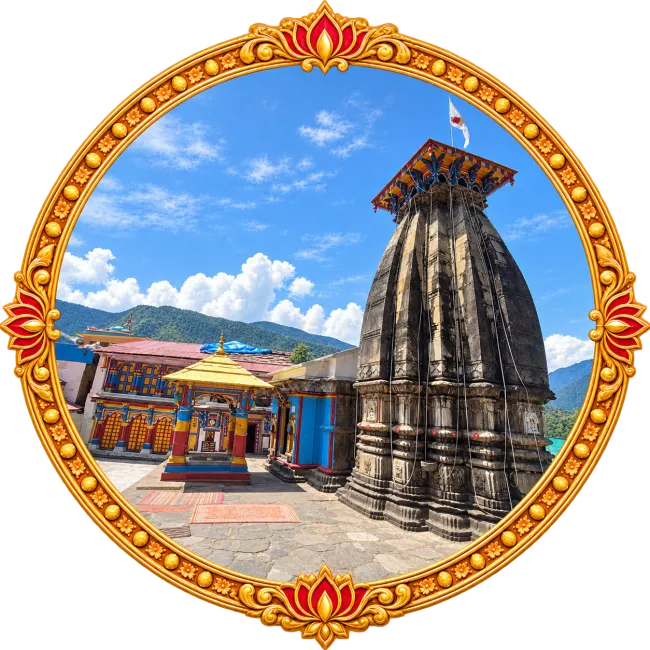
Omkareshwar Temple, Ukhimath, Uttarakhand
Omkareshwar Temple is an ancient Shiva shrine located at Ukhimath in the Rudraprayag district of Uttarakhand. It serves as the winter seat of Lord Kedarnath and Lord Madhyamaheshwar when their high-altitude temples become inaccessible because of heavy snowfall.
The temple remains open throughout the year. During winter, the ceremonial images from Kedarnath and Madhyamaheshwar are worshipped here with daily Puja, Aarti and festival rituals. Ukhimath is also associated with the marriage of Usha, the daughter of Banasura, and Aniruddha, the grandson of Lord Krishna.
About Omkareshwar Temple
Omkareshwar Temple is situated in the centre of Ukhimath amid the hills of the Garhwal Himalayas. The shrine is dedicated to Lord Shiva in his Omkareshwar form.
The temple complex houses or receives the winter ceremonial representations associated with:
Lord Kedarnath
Lord Madhyamaheshwar
Goddess Parvati
Usha
Aniruddha
Mandhata
Other regional deities
The shrine is sometimes called Omkareshwar Peeth or Ukhimath Omkareshwar Temple. It is different from the Omkareshwar Jyotirlinga located in Madhya Pradesh.
When Was Omkareshwar Temple Built and Who Built It?
Omkareshwar Temple is an ancient Himalayan shrine associated with the early religious traditions of the Kedarnath region. Its origin is connected with King Mandhata and the Usha–Aniruddha legend.
The existing stone structure developed through the patronage of regional Garhwal rulers, priests and local communities. It was later strengthened as the official winter worship centre for the deities of Kedarnath and Madhyamaheshwar.
The shrine also forms part of the religious tradition revived and organised by Adi Shankaracharya. Its architecture and ritual arrangements were developed over several periods rather than through a single construction project.
Legend of King Mandhata
According to tradition, King Mandhata of the Solar dynasty performed severe penance at Ukhimath. He stood on one leg and worshipped Lord Shiva for many years.
Pleased with his devotion, Shiva appeared before him in the form of the sacred sound Om. The Lord became known at the site as Omkareshwar.
A representation associated with King Mandhata is worshipped within the temple complex. His story symbolises discipline, devotion and complete surrender to Lord Shiva.
Legend of Usha and Aniruddha
Ukhimath is closely connected with Usha, the daughter of King Banasura. Usha saw a young prince in a dream and fell in love with him.
Her companion Chitralekha drew portraits of different princes until Usha recognised Aniruddha, the grandson of Lord Krishna. Chitralekha brought him to Usha using her spiritual powers.
When Banasura discovered them, he imprisoned Aniruddha. This led to a battle involving Krishna, Banasura and Lord Shiva. After the conflict, Usha and Aniruddha were married.
Local tradition holds that their marriage took place at Ukhimath. The town was originally called Ushamath, meaning the place of Usha. Over time, the name developed into Ukhimath.
Winter Seat of Kedarnath
Kedarnath Temple closes after Diwali because of heavy snowfall. Before closure, the ceremonial image of Lord Kedarnath is placed in a decorated Doli and carried down through the Himalayan villages.
The Doli reaches Omkareshwar Temple, where winter worship continues until Kedarnath reopens.
During this period, devotees who cannot travel to the snow-covered Kedarnath shrine can receive winter darshan at Ukhimath.
Winter Seat of Madhyamaheshwar
After Madhyamaheshwar Temple closes, its ceremonial deity is also brought to Omkareshwar Temple.
A traditional procession accompanies the deity through mountain villages. Special Puja is conducted when the Doli reaches Ukhimath.
Both Kedarnath and Madhyamaheshwar therefore remain spiritually accessible to devotees during winter.
Religious Significance
Devotees visit Omkareshwar Temple to pray for:
Blessings of Lord Kedarnath
Health and longevity
Protection from danger
Marriage and marital harmony
Family welfare
Courage and spiritual strength
Relief from fear and stress
Safe Himalayan travel
Forgiveness and liberation
Fulfilment of wishes
The shrine is especially important during the winter months when Kedarnath and Madhyamaheshwar remain closed.
Architecture of Omkareshwar Temple
The temple displays traditional Garhwali stone architecture. Its solid walls and compact structure are designed for the Himalayan climate.
The complex includes:
Main Omkareshwar sanctum
Winter worship area for Kedarnath
Winter worship area for Madhyamaheshwar
Images of Usha and Aniruddha
Representation associated with King Mandhata
Mandapa
Temple courtyard
Smaller shrines
Doli ceremonial space
The sanctum is decorated with flowers, lamps, metal ornaments and sacred fabrics during winter worship.
Omkareshwar Temple Timings
The temple remains open throughout the year but follows separate summer and winter schedules.
Summer Timings
Winter Timings
Special Doli ceremonies and festival rituals can affect the ordinary darshan schedule.
Morning Puja and Aarti
The morning begins with purification of the sanctum and Mangal Puja. During winter, the ceremonial deities of Kedarnath and Madhyamaheshwar receive detailed worship.
The rituals include:
Water Abhishekam
Milk and curd offering
Bilva leaves
Flowers and garlands
Sandalwood
Sacred ash
Shiva mantra chanting
Incense and lamps
Naivedya
Morning Aarti
Bhog and Evening Aarti
Bhog is offered at noon and can include rice, lentils, vegetables, fruits and sweets.
Evening Puja is followed by Aarti. During winter, the evening ceremony is particularly important because the shrine functions as the active seat of Kedarnath and Madhyamaheshwar.
Shayan Puja concludes the day’s worship.
Major Festivals
Arrival of Kedarnath Doli
The arrival of Lord Kedarnath’s Doli marks the beginning of winter worship. Priests and devotees welcome the deity with flowers, music and special Puja.
Madhyamaheshwar Doli Festival
The arrival of Lord Madhyamaheshwar is celebrated with a traditional procession and ceremonial worship.
Mahashivratri
Mahashivratri is celebrated with Abhishekam, Rudra Path, fasting and special Aarti.
Madmaheshwar Mela
The winter arrival or departure of Madhyamaheshwar is associated with a regional religious gathering.
Shravan Month
Mondays during Shravan are observed with special Shiva Puja.
Wedding Celebrations of Usha and Aniruddha
Local traditions commemorate the sacred marriage connected with Ukhimath.
Puja and Religious Services
Available services may include:
General Shiva Puja
Jalabhishek
Rudrabhishek
Kedarnath winter Puja
Madhyamaheshwar winter Puja
Mahamrityunjaya Mantra Path
Marriage-related prayers
Family welfare Puja
Health and protection prayers
Journey-safety Puja
Puja arrangements should be made through authorised temple representatives.
Offerings and Prasad
Traditional offerings include:
Water and milk
Bilva leaves
Flowers
Sandalwood
Sacred ash
Fruits
Coconut
Sweets
Dry fruits
Monetary donations
Prasad generally includes sweets, fruits, coconut and blessed flowers.
Dress Code and Temple Rules
Visitors should wear modest clothing and carry warm layers, particularly from October to March.
Important rules include:
Remove footwear before entering.
Follow the designated queue.
Do not touch ceremonial deities without permission.
Follow photography restrictions.
Respect Doli processions.
Avoid alcohol and tobacco.
Keep the temple and town clean.
Deposit donations only at authorised counters.
Entry Fee and Darshan Duration
General darshan is free. Charges apply to optional Pujas and ritual materials.
Darshan generally requires 30–60 minutes. During Doli arrival ceremonies and Mahashivratri, waiting time can increase significantly.
Best Time to Visit
October to March is the best period for experiencing winter worship of Kedarnath and Madhyamaheshwar.
April to June is suitable for pleasant weather and local sightseeing. The monsoon can bring landslides and road delays.
For peaceful darshan, visitors should arrive between 8:00 AM and 10:00 AM.
How to Reach Omkareshwar Temple
By Air
Jolly Grant Airport near Dehradun is the nearest major airport.
By Train
Rishikesh, Yog Nagari Rishikesh and Haridwar are the nearest convenient railway stations.
By Road
Ukhimath is connected with Rudraprayag, Kund, Guptkashi and Chopta.
Accommodation and Facilities
Hotels, guest houses, homestays and tourist rest houses are available in Ukhimath.
Facilities include:
Parking
Drinking water
Toilets
Puja shops
Prasad stalls
Restaurants
Medical shops
Local taxis
Accommodation
Nearby Places to Visit
Deoria Tal
Sari Village
Chopta
Tungnath Temple
Chandrashila
Guptkashi Vishwanath Temple
Ardhanarishwar Temple
Kalimath Temple
Kedarnath Temple
Madhyamaheshwar Temple
Conclusion
Omkareshwar Temple is the year-round spiritual centre of Ukhimath and the winter seat of Lord Kedarnath and Lord Madhyamaheshwar. Its association with King Mandhata and the marriage of Usha and Aniruddha gives it deep mythological importance.
The winter Doli traditions, daily Shiva worship and traditional Garhwali architecture make the temple an essential destination for devotees visiting the Kedarnath region outside the main pilgrimage season.