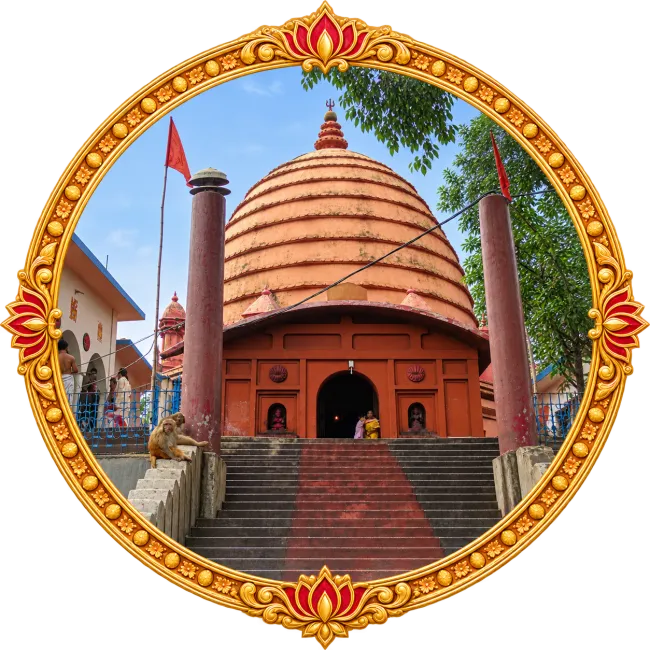
Navagraha Temple, Guwahati
Navagraha Temple is a historic Hindu shrine situated on Chitrachal Hill in Guwahati, Assam. Dedicated to the nine celestial influences of Hindu astrology, the temple is one of the most important centres for Navagraha worship in northeastern India.
The nine planets are represented inside the sanctum by nine Shiva Lingams, each covered with cloth of a specific colour. Devotees visit the shrine to seek relief from unfavourable planetary influences and pray for health, prosperity, marriage, career success and family welfare.
About Navagraha Temple
Navagraha Temple stands on Chitrachal Hill in the Silpukhuri area of Guwahati. The elevated location offers views of the city and parts of the Brahmaputra valley.
The word Navagraha means nine celestial forces. In Hindu astrology, these Grahas are believed to influence human life according to their placement in a person’s horoscope.
The nine Grahas worshipped here are:
Surya – Sun
Chandra – Moon
Mangala – Mars
Budha – Mercury
Brihaspati – Jupiter
Shukra – Venus
Shani – Saturn
Rahu – Ascending lunar node
Ketu – Descending lunar node
The central Shiva Lingam represents Surya, while the remaining Lingams are arranged around it.
When Was Navagraha Temple Built and Who Built It?
Navagraha Temple was built during the 18th century by Ahom king Rajeswar Singha. His reign lasted from 1751 to 1769, and the construction of the temple is generally associated with the early years of this period.
The Ahom rulers supported temples dedicated to Shiva, Shakti and other Hindu deities. Rajeswar Singha established the Navagraha shrine to create an organised centre for planetary worship and astrological study.
The great Assam earthquake of 1897 damaged much of the temple’s upper structure. The Garbhagriha and parts of the original stone foundation survived. The damaged portions were subsequently reconstructed.
The present temple therefore combines an Ahom-period sanctum with later structural restoration.
Guwahati and Ancient Astronomy
Ancient Guwahati was known as Pragjyotishpura, meaning the City of Eastern Astrology or the City of Eastern Light. The name reflects the region’s historical association with astronomy, astrology and planetary observation.
Chitrachal Hill is believed to have been connected with the study of celestial movements. The construction of Navagraha Temple continued this tradition by bringing the nine planetary forces together in a single sacred space.
For this reason, the temple is not only a place of worship but also a symbol of Assam’s historical connection with astronomical knowledge.
Nine Planetary Shiva Lingams
Instead of sculpted planetary images, the temple contains nine Shiva Lingams. Each Lingam is covered with cloth representing the traditional colour of a Graha.
The worship of the planets through Shiva Lingams reflects the belief that Lord Shiva governs and balances all cosmic forces.
Religious Significance
Devotees visit Navagraha Temple for remedies connected with their horoscope or major life difficulties.
Common prayers include:
Relief from Shani Dosha
Mangal Dosha remedies
Rahu–Ketu Shanti
Marriage and relationship harmony
Health and longevity
Career and business success
Success in education
Mental peace
Protection during difficult planetary periods
Family welfare
Astrological remedies are traditionally determined after examining an individual’s birth chart. Visitors should consult a qualified practitioner before undertaking elaborate ceremonies.
Architecture of Navagraha Temple
The temple displays features of Ahom-period architecture. Its main structure consists of a stone sanctum crowned by a dome-shaped superstructure.
The building has a compact circular or polygonal visual character, reflecting the arrangement of the nine Grahas inside. Thick walls and a stone foundation support the shrine.
The complex includes:
Main Navagraha sanctum
Nine Shiva Lingams
Prayer and offering area
Havan space
Smaller shrines
Temple courtyard
Hilltop viewpoints
Puja counters
The peaceful hill setting makes the shrine suitable for prayer and meditation.
Navagraha Temple Timings
The temple follows morning and evening worship sessions. Special ceremonies can affect ordinary darshan on Saturdays, Amavasya and planetary-transition days.
Festival and special-Puja arrangements can change queue movement. Visitors should follow the schedule displayed at the temple.
Morning Puja and Aarti
The day begins with Mangal Puja at 5:30 AM. Morning Aarti is performed at 6:00 AM.
The principal morning rituals include:
Sanctum purification
Water and milk Abhishekam
Offering of coloured cloth
Flowers and garlands
Sandalwood paste
Incense and lamps
Navagraha Mantra chanting
Naivedya
Morning Aarti
Devotees may sponsor a collective or individual Navagraha Puja according to temple arrangements.
Bhog and Evening Aarti
Bhog is offered to the deities at noon. Fruits, sweets and Satvik food form part of the offering.
The temple reopens for afternoon darshan at 4:00 PM. Evening Puja begins at 6:00 PM, followed by Aarti at 6:30 PM.
Shayan Puja is performed before the shrine closes for the night.
Important Pujas and Rituals
Navagraha Shanti Puja
This ceremony is performed to balance the influence of all nine Grahas. It includes Sankalpa, mantra chanting, offerings and Havan.
Shani Shanti Puja
Shani worship is especially popular on Saturdays. Devotees offer black sesame, oil and dark-coloured cloth according to temple customs.
Rahu–Ketu Shanti
This Puja is associated with difficulties attributed to the lunar nodes. Mantras, offerings and Havan form part of the ceremony.
Mangal Dosha Puja
This ritual is performed for marriage-related concerns and other challenges traditionally associated with Mars.
Surya Puja
Prayers to Surya are offered for vitality, confidence, authority and good health.
Major Festivals
Makar Sankranti
Surya is specially worshipped as the Sun enters Makara. Devotees offer water and prayers for health and prosperity.
Rath Saptami
Rath Saptami is dedicated to Surya and is observed with special morning worship.
Mahashivratri
Because the Grahas are represented through Shiva Lingams, Mahashivratri is celebrated with Abhishekam and extended worship.
Shani Jayanti
Special prayers are offered to Shani for relief from hardship and karmic difficulties.
Navratri
The temple receives additional devotees during Navratri because of Guwahati’s wider Shakti pilgrimage tradition.
Solar and Lunar Eclipses
Special mantra recitation and purification rituals may be performed in connection with eclipses according to temple traditions.
Offerings and Prasad
Common offerings include:
Flowers and garlands
Coloured cloth
Coconut
Fruits
Sweets
Milk and water
Sandalwood paste
Black sesame
Mustard or sesame oil
Incense
Clarified butter
Monetary donations
Offerings for an individual Graha should be made according to the guidance of authorised priests.
Prasad generally includes fruits, sweets, coconut and blessed flowers.
Dress Code and Temple Rules
There is no strict dress code, but devotees should wear clean and modest clothing. Comfortable footwear is recommended for the hill approach.
Important rules include:
Remove footwear before entering.
Follow the designated queue.
Do not touch the Shiva Lingams without permission.
Follow photography restrictions.
Avoid blocking the sanctum during personal rituals.
Keep the hill and temple clean.
Avoid alcohol and tobacco.
Deposit donations only at authorised counters.
Confirm Puja charges before the ceremony.
Respect other devotees performing astrological remedies.
Entry Fee and Darshan Duration
General entry and darshan are free. Charges apply to optional Pujas, Havan and ritual materials.
Ordinary darshan requires 20–40 minutes. A complete Navagraha Shanti Puja may take one to two hours.
Saturdays, Amavasya and special planetary occasions can be busier than regular weekdays.
Best Time to Visit
October to March is the most comfortable period for visiting Guwahati. Morning hours offer pleasant weather and clearer city views.
Devotees seeking peaceful darshan should arrive between 8:00 AM and 10:00 AM on a weekday. Saturday is important for Shani worship but attracts larger crowds.
The monsoon brings heavy rain, and the hill road can become slippery.
How to Reach Navagraha Temple
By Air
Lokpriya Gopinath Bordoloi International Airport is approximately 25 kilometres from the temple.
By Train
Guwahati Railway Station is approximately 4 kilometres away.
By Road
Taxis, auto-rickshaws, app-based cabs and private vehicles can reach the temple through the Chitrachal Hill road.
Nearby Places to Visit
Ugratara Temple: An important Tara shrine near Jorpukhuri.
Umananda Temple: A Shiva shrine on Peacock Island.
Kamakhya Temple: The principal Shakti Peetha of Guwahati.
Assam State Museum: A museum dedicated to Assam’s heritage.
Dighalipukhuri: A historic lake in central Guwahati.
Brahmaputra Riverfront: Known for sunset views and cruises.
Basistha Ashram: A sacred site associated with Sage Vashishtha.
Conclusion
Navagraha Temple is a distinctive Ahom-period shrine dedicated to the nine celestial forces of Hindu astrology. Built by King Rajeswar Singha in the 18th century, it preserves Guwahati’s ancient connection with astronomy and its identity as Pragjyotishpura.
The nine planetary Shiva Lingams, hilltop setting and specialised Graha Pujas make the temple an important spiritual destination. Devotees visit to seek planetary balance, protection, health, prosperity and peace.