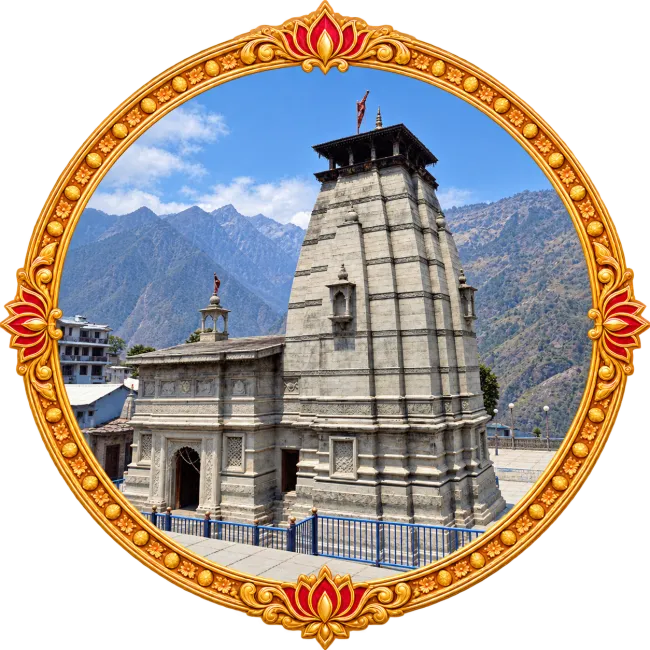
Narasimha Temple, Joshimath, Uttarakhand
Narasimha Temple is an ancient Vaishnava shrine situated in Joshimath in the Chamoli district of Uttarakhand. Dedicated to Lord Narasimha, the fourth incarnation of Lord Vishnu, the temple is closely connected with Badrinath and the winter pilgrimage traditions of the Garhwal Himalayas.
The temple is traditionally associated with Adi Shankaracharya and is regarded as an important winter worship centre when Badrinath Temple remains closed. Its distinctive image of Lord Narasimha and the prophecy connected with the deity’s thinning arm give the shrine exceptional religious significance.
About Narasimha Temple
Narasimha Temple is situated in the lower market area of Joshimath, also known as Jyotirmath. The shrine is dedicated to the half-man, half-lion incarnation of Lord Vishnu.
Lord Narasimha appeared to protect his devotee Prahlada and destroy the demon king Hiranyakashipu. He represents divine protection, courage and the victory of devotion over arrogance.
The temple complex contains sacred images associated with:
Lord Narasimha
Lord Badrinarayan
Uddhava
Kuber
Goddess Lakshmi
Garuda
Other forms of Vishnu
During the winter season, Joshimath becomes an important centre for traditions connected with Badrinath.
When Was Narasimha Temple Built and Who Built It?
Narasimha Temple is traditionally associated with Adi Shankaracharya, who established Jyotirmath during the 8th century CE.
Shankaracharya is believed to have installed or revived the worship of Lord Narasimha while organising the Badrinath pilgrimage and establishing a monastic centre in Joshimath.
The stone temple developed through the patronage of regional Katyuri and Garhwal rulers. It underwent repeated renovation because of earthquakes, harsh weather and the passage of time.
The present structure preserves traditional Himalayan architectural features while including later repairs and additions.
Legend of Lord Narasimha
The demon king Hiranyakashipu received a boon that he could not be killed by a man or animal, inside or outside, during day or night, or by any ordinary weapon.
His son Prahlada remained devoted to Lord Vishnu despite repeated punishment. Hiranyakashipu challenged Prahlada and struck a pillar, asking whether Vishnu was present there.
Lord Narasimha emerged from the pillar in a form that was neither fully human nor animal. At twilight, he placed Hiranyakashipu on the threshold, neither inside nor outside, and destroyed him using his claws.
The story represents the protection of sincere devotion and the inability of arrogance to defeat divine justice.
Prophecy of the Thinning Arm
The image of Lord Narasimha at Joshimath has one arm that is traditionally believed to be becoming thinner.
According to local belief, when the arm finally separates, the Jay and Vijay mountains near Vishnuprayag will come together. The existing route to Badrinath will become inaccessible.
Lord Vishnu will then be worshipped at Bhavishya Badri, the future Badrinath shrine near Subhain village.
The prophecy symbolises the changing nature of the physical world and the eternal continuity of divine worship.
Connection with Badrinath
When Badrinath Temple closes for winter, the religious focus shifts towards Joshimath and Pandukeshwar.
Narasimha Temple is regarded as an important winter seat connected with Badrinarayan. Priests perform daily worship throughout the snowbound period.
The ceremonial images of Uddhava and Kuber follow traditional winter arrangements associated with Yogadhyan Badri at Pandukeshwar, while Narasimha Temple remains the principal winter pilgrimage centre in Joshimath.
Religious Significance
Devotees visit Narasimha Temple to pray for:
Protection from danger
Courage and confidence
Relief from fear
Family welfare
Good health
Success in education and employment
Protection of children
Victory over obstacles
Devotion and spiritual strength
Fulfilment of wishes
The shrine is especially important for devotees who cannot visit Badrinath during winter.
Architecture of Narasimha Temple
The temple displays traditional Garhwali and Katyuri architectural features. It is built from stone and has a compact sanctum designed for the Himalayan climate.
The principal deity is shown in a seated posture rather than the highly fierce form commonly seen in Narasimha temples.
The complex includes:
Main Narasimha sanctum
Mandapa
Stone entrance
Smaller shrines
Winter worship spaces
Temple courtyard
Puja and donation counters
Pilgrim gathering area
The sacred image is decorated with clothes, flowers, garlands and ornaments.
Narasimha Temple Timings
The temple remains open throughout the year and follows separate summer and winter schedules.
Summer Timings
Winter Timings
Winter festivals and ceremonies connected with Badrinath can affect general darshan.
Morning Puja and Aarti
The day begins with purification of the sanctum and Mangal Puja. The deity receives Abhishekam and Shringar before general darshan.
Morning rituals include:
Ceremonial bathing
Fresh clothes
Tulsi and flowers
Sandalwood
Jewellery and garlands
Vishnu mantra chanting
Incense and lamps
Naivedya
Morning Aarti
Bhog and Evening Aarti
Bhog is offered at noon and can include rice, lentils, fruits, sweets and other Satvik preparations.
Evening Puja begins with flowers, incense and devotional recitation. Aarti is followed by darshan and the final Shayan Puja.
Major Festivals
Narasimha Jayanti
Narasimha Jayanti is the most important festival dedicated to the presiding deity. Special Abhishekam, Vishnu Sahasranama and Aarti are performed.
Badrinath Winter Worship
The winter period is especially important because pilgrims visit Joshimath while the high-altitude Badrinath Temple remains closed.
Krishna Janmashtami
Lord Krishna is worshipped through fasting, Bhajan and special Puja.
Holi
Devotional celebrations and traditional colour ceremonies are organised.
Vaikuntha Ekadashi
Devotees observe fasting and worship Lord Vishnu for spiritual liberation.
Opening and Closing of Badrinath
The movement of ceremonial deities and priests is marked by traditional rituals in Joshimath and Pandukeshwar.
Puja and Religious Services
Available services may include:
General Narasimha Puja
Abhishekam
Vishnu Sahasranama
Narasimha Kavach Path
Protection Puja
Family welfare prayers
Child-protection Puja
Health-related prayers
Winter Badrinath worship
Thanksgiving ceremony
Puja arrangements should be completed through authorised temple representatives.
Offerings and Prasad
Traditional offerings include:
Tulsi leaves
Yellow flowers
Fruits
Coconut
Sweets
Sandalwood
Incense
Clarified butter
Clothes for the deity
Monetary donations
Prasad generally includes sweets, fruits, coconut and blessed Tulsi.
Dress Code and Temple Rules
Visitors should wear modest clothing and carry warm layers, especially during winter.
Important rules include:
Remove footwear before entering.
Follow the designated queue.
Do not touch the deity.
Follow photography restrictions.
Keep the temple clean.
Avoid alcohol, tobacco and non-vegetarian food.
Deposit donations only at authorised counters.
Respect winter ceremonies.
Follow local weather and road instructions.
Entry Fee and Darshan Duration
General darshan is free. Charges apply only to optional Pujas and ritual materials.
Darshan normally requires 30–60 minutes. During winter festivals, Narasimha Jayanti and Badrinath-related ceremonies, waiting time can increase.
Best Time to Visit
The temple can be visited throughout the year.
October to March is especially significant for winter worship associated with Badrinath. April to June offers comfortable weather and convenient local travel.
The monsoon can bring landslides and road delays. Winter visitors should carry heavy woollen clothing.
How to Reach Narasimha Temple
By Air
Jolly Grant Airport near Dehradun is the nearest major airport.
By Train
Rishikesh, Yog Nagari Rishikesh and Haridwar are the nearest convenient railway stations.
By Road
Joshimath is connected with Rishikesh, Rudraprayag, Karnaprayag, Chamoli and Badrinath.
Accommodation and Facilities
Joshimath has hotels, guest houses, Dharamshalas and tourist lodges.
Facilities include:
Parking
Drinking water
Toilets
Puja shops
Prasad stalls
Restaurants
Medical assistance
Local taxis
Ropeway and transport services for nearby destinations
Nearby Places to Visit
Jyotirmath
Shankaracharya Math
Kalpavriksha
Tapovan
Vishnuprayag
Auli
Yogadhyan Badri, Pandukeshwar
Bhavishya Badri
Badrinath Temple
Nanda Devi National Park region
Conclusion
Narasimha Temple is an ancient Vaishnava shrine and an important winter pilgrimage centre connected with Badrinath. Its association with Adi Shankaracharya, the seated Narasimha image and the prophecy of the thinning arm give it exceptional religious significance.
The temple remains accessible throughout the year and allows devotees to continue worship connected with Lord Badrinarayan during winter. Visitors pray to Lord Narasimha for courage, protection and victory over fear.