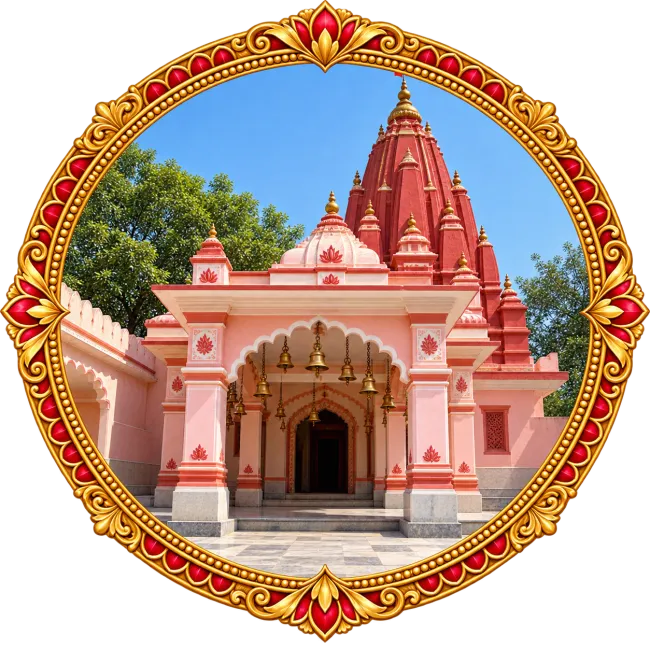
Mansa Devi Temple, Meerut
Visit Mansa Devi Temple Meerut, one of the city’s most revered Shakti temples and a prominent centre of faith in western Uttar Pradesh. Located in Kaliyagarhi near Jagriti Vihar, the temple is dedicated to Maa Mansa Devi, the wish-fulfilling form of Goddess Shakti. Devotees believe that sincere prayers offered before the Goddess bring protection, peace, prosperity, good health, marriage blessings, and fulfilment of righteous desires.
The temple is known for its distinctive tradition of praying to the Goddess with open eyes. Instead of closing their eyes while making a wish, devotees look directly at the divine form of Maa Mansa Devi and express their feelings as if speaking to a compassionate mother. The spacious temple complex, numerous subsidiary shrines, daily aarti, colourful Navratri celebrations, and peaceful spiritual atmosphere make it an important religious destination in Meerut.
About Mansa Devi Temple Meerut
Mansa Devi Temple is situated in Kaliyagarhi, Jagriti Vihar, close to Lala Lajpat Rai Memorial Medical College in Meerut, Uttar Pradesh. It is also locally referred to as Maa Mansha Devi Mandir, as devotees believe that the Goddess fulfils the heartfelt wishes or mansha of those who worship her with faith.
The temple is considered one of Meerut’s ancient Bhagwati temples. The principal deity, Maa Mansa Devi, is worshipped as a powerful form of the Divine Mother. Devotees visit the temple to pray for family happiness, children, marriage, health, education, employment, business growth, and protection from negative influences.
The complex spreads across approximately four and a half bighas of land. In addition to the main shrine of Maa Mansa Devi, it contains several smaller temples and sacred spaces dedicated to different Hindu deities.
The temple remains especially crowded during Chaitra Navratri and Sharadiya Navratri. During these nine-day festivals, the Goddess is decorated in a different form every day, allowing devotees to worship the nine manifestations of Maa Durga.
History of Mansa Devi Temple Meerut
Mansa Devi Temple is more than a century old and existed before India gained independence. According to the temple’s local tradition, the sacred form of the Goddess was originally worshipped in a forested area near the cremation ground of Aurangshahpur Diggi.
Because the original shrine stood close to a cremation ground, Maa Mansa Devi also became known locally as Marghat Wali Mata. In earlier times, the area was covered with dense vegetation and was considered isolated. Some residents hesitated to visit the place, particularly after sunset. However, as stories of the Goddess’s blessings and wish-fulfilling powers spread, devotees began visiting in greater numbers.
Belaram Giri is remembered as one of the earliest priests associated with the shrine. The temple’s service was later continued by Baba Ram Giri and subsequent generations of the Giri family. Baba Ram Giri played an important role in caring for the shrine and establishing regular worship arrangements. His samadhi is located within the temple complex.
The present temple tradition has been maintained by several generations of the same priestly family. Their continued service helped transform the original shrine into an organised and prominent religious centre.
As the number of devotees increased, major construction and development work was undertaken in 1990. The main shrine and other structures were expanded so that larger numbers of visitors could participate in darshan, puja, and Navratri celebrations.
The Maa Mansa Devi Temple Trust was established in 2010. After the trust was formed, additional renovation, maintenance, beautification, and pilgrim-facility work was carried out. The temple is now managed as a large religious complex while preserving the traditions associated with the original shrine.
Religious Significance of Maa Mansa Devi
Maa Mansa Devi is worshipped as the Goddess who understands the innermost desires of her devotees. The name Mansa is connected with the mind, intention, wish, and heartfelt resolve. She is therefore revered as a compassionate form of Shakti who grants righteous desires and protects her devotees from fear and misfortune.
In wider Hindu tradition, Mansa Devi is also associated with protection from snakes, poison, illness, and unseen dangers. She represents healing, fertility, motherhood, spiritual strength, and the power to overcome fear.
Devotees believe that worshipping Maa Mansa Devi can:
- Fulfil sincere and righteous wishes.
- Bring peace and harmony within the family.
- Bless married couples with children.
- Help unmarried devotees find a suitable life partner.
- Protect children and family members.
- Support recovery from illness.
- Remove fear and negative energy.
- Help devotees overcome financial difficulties.
- Provide confidence during challenging periods.
- Strengthen devotion and mental peace.
Many devotees return to the temple after their prayers are fulfilled. They offer sweets, clothes, coconuts, flowers, or a special bhog as an expression of gratitude.
Tradition of Praying With Open Eyes
One of the most distinctive traditions of Mansa Devi Temple is that devotees are encouraged to pray to the Goddess with open eyes.
Generally, worshippers close their eyes during prayer to concentrate on the deity. At this temple, devotees look directly at Maa Mansa Devi and communicate their wishes while taking darshan of her divine form.
The practice symbolises a personal conversation between a child and the Divine Mother. Devotees believe that they should express their happiness, worries, difficulties, and wishes openly before the Goddess.
This tradition has become an important part of the temple’s identity. Visitors are encouraged to approach Maa Mansa Devi with honesty, faith, humility, and a clear mind.
Architecture of Mansa Devi Temple
Mansa Devi Temple is built across a spacious complex covering approximately four and a half bighas. The complex has developed gradually, with the main construction and expansion taking place after 1990.
The central shrine is dedicated to Maa Mansa Devi. The beautifully decorated idol is adorned with colourful clothes, jewellery, flowers, garlands, a crown, and other traditional ornaments.
The main temple is surrounded by approximately 25 smaller shrines. Many of these shrines are built in the form of small madhis, with low entrance doors. Devotees have to bend while entering them, symbolising humility and surrender before the divine.
The temple premises include shrines or sacred representations associated with:
- Lord Ganesha
- Lord Shiva and the Shiva family
- Maa Durga
- Maa Vaishno Devi
- Maa Santoshi
- Lord Hanuman
- Bhairav Nath
- Other forms of Goddess Shakti
The complex also contains the samadhi of Baba Ram Giri, who played an important role in maintaining and developing the temple’s worship tradition.
The temple is decorated with colourful lights, flowers, religious flags, and fabric during Navratri. Its numerous shrines allow devotees to worship different forms of the Divine during a single visit.
Mansa Devi Temple Meerut Timings
The regular darshan and aarti schedule of Mansa Devi Temple is as follows:
The temple normally remains accessible throughout the day. Specific shrines within the complex may close briefly during bhog, cleaning, or shringar.
The schedule may be extended during Chaitra Navratri, Sharadiya Navratri, Ashtami, Navami, and other major celebrations. Visitors attending during Navratri should follow the timings displayed at the temple entrance.
Daily Puja and Aarti
The temple opens at 5:00 AM, after which the priests prepare the main shrine for the day’s worship. Maa Mansa Devi is offered fresh clothes, flowers, garlands, jewellery, sandalwood paste, vermilion, and other sacred items.
Morning puja and aarti take place at 6:00 AM. Devotees gather before the main shrine while lamps are offered to the Goddess. Bells, conch shells, mantras, and devotional songs fill the temple with spiritual energy.
Throughout the day, devotees offer flowers, coconuts, chunri, sweets, and prayers. Some families arrange special puja, havan, or bhog to mark birthdays, marriage anniversaries, the fulfilment of a wish, or another auspicious occasion.
Evening aarti is performed at 7:00 PM. The illuminated temple, decorated deity, and collective chanting of Jai Mata Di create a powerful devotional atmosphere.
Morning and evening aarti are the best times to experience the temple’s spiritual energy.
Navratri Celebrations
Navratri is the most important festival celebrated at Mansa Devi Temple. Both Chaitra Navratri and Sharadiya Navratri attract devotees from Meerut and surrounding districts.
During the nine days of Navratri, Maa Mansa Devi is decorated in a different form every day. The nine forms of Maa Durga worshipped during the festival are:
- Maa Shailputri
- Maa Brahmacharini
- Maa Chandraghanta
- Maa Kushmanda
- Maa Skandamata
- Maa Katyayani
- Maa Kalaratri
- Maa Mahagauri
- Maa Siddhidatri
The Goddess is dressed in different colours and ornaments according to the day’s form. Special shringar, bhajan, kirtan, havan, aarti, and prasad distribution are organised throughout the festival.
Many devotees observe a fast and visit the temple on all nine days. Some worshippers remain near the temple for the entire Navratri period and participate in daily spiritual programmes.
Ashtami and Navami are particularly important. Kanya Pujan, havan, special bhog, and community meals may be organised on these days.
Other Festivals Celebrated at the Temple
Durga Ashtami
Durga Ashtami is celebrated with special puja, shringar, havan, and aarti. Devotees offer red flowers, chunri, coconuts, and sweets to the Goddess.
Ram Navami
Ram Navami marks the conclusion of Chaitra Navratri. Special prayers are offered to Lord Rama, Goddess Sita, and Maa Durga.
Diwali
The entire complex is decorated with lamps and lights during Diwali. Devotees pray for happiness, prosperity, and protection.
Holi
Devotional Holi celebrations include bhajans, flower offerings, and festive decorations.
Guru Purnima
Devotees pay respect to the temple’s spiritual tradition, priests, and saints on Guru Purnima. Baba Ram Giri’s samadhi is also visited by worshippers.
Hanuman Jayanti
Special worship is performed at the Hanuman shrine within the temple complex. Devotees recite the Hanuman Chalisa and offer boondi, sindoor, and flowers.
Offerings and Prasad
Devotees may offer the following items to Maa Mansa Devi:
- Red chunri
- Fresh flowers and garlands
- Coconut
- Sindoor
- Bangles
- Sacred thread
- Red religious flags
- Fruits
- Dry fruits
- Puri and halwa
- Batasha and sugar crystals
- Laddu and other sweets
- Incense sticks
- Ghee lamps
Red flowers, chunri, and coconut are among the most common offerings. Married women may offer bangles, sindoor, and decorative items while praying for the wellbeing of their families.
Prasad generally includes sweets, fruits, halwa, batasha, or other items offered to the Goddess. Devotees should purchase puja items from reliable shops and submit offerings through the designated temple arrangements.
Special Puja and Religious Rituals
Devotees may arrange special religious ceremonies at the temple, including:
- Mata ki Chowki
- Jagran
- Havan
- Durga Saptashati Path
- Navratri Puja
- Kanya Pujan
- Special Shringar
- Bhog Seva
- Mundan ceremony
- Thanksgiving puja after wish fulfilment
Special services should be discussed with the temple office or authorised priests. Visitors should avoid making payments to unauthorised individuals.
Entry Fee and Visit Duration
There is no entry fee for general darshan at Mansa Devi Temple Meerut. Devotees can visit the main shrine and other temples within the complex without purchasing a ticket.
Charges may apply for personal puja, havan, Mata ki Chowki, special shringar, or other religious services.
A regular visit requires 45 minutes to one hour. Visitors wishing to explore the smaller shrines, visit Baba Ram Giri’s samadhi, and attend aarti should reserve one to two hours.
Waiting time can increase significantly during Navratri, Ashtami, Navami, and major festival days.
Best Time to Visit
The most comfortable months to visit the temple are October to March. The weather during these months is suitable for darshan and local sightseeing.
The best daily darshan periods are:
- Morning: 6:00 AM – 8:30 AM
- Evening: 5:30 PM – 7:30 PM
- Evening Aarti: 7:00 PM
Visitors seeking a peaceful experience should choose a regular weekday morning. Tuesday, Friday, and Sunday can attract larger numbers of Devi devotees.
Navratri is the best period for special shringar and festival celebrations, but devotees should be prepared for long queues.
Visitor Guidelines
- Wear modest and respectful clothing.
- Remove footwear at the designated location.
- Follow the queue system during crowded periods.
- Pray calmly without blocking the darshan area.
- Ask permission before taking photographs or videos.
- Photography may be restricted inside the main sanctum.
- Use authorised counters for donations and special puja.
- Keep mobile phones on silent mode.
- Do not touch the principal deity or sacred objects.
- Enter smaller shrines carefully because their doors are low.
- Keep children under supervision.
- Do not leave plastic, food waste, or puja materials inside the complex.
- Avoid carrying tobacco, alcohol, leather items, or non-vegetarian food.
- Respect Baba Ram Giri’s samadhi and other sacred spaces.
How to Reach Mansa Devi Temple Meerut
By Air
Hindon Airport in Ghaziabad is the nearest airport with limited flight services. Indira Gandhi International Airport in Delhi is the nearest major airport and is approximately 90 to 100 kilometres from Meerut.
Taxis, buses, and app-based cabs are available from Delhi and Ghaziabad to Meerut.
By Train
Meerut City Junction is the nearest major railway station and is approximately 7 to 9 kilometres from the temple. Meerut Cantonment Railway Station is another option.
Meerut is connected by train with Delhi, Ghaziabad, Saharanpur, Dehradun, Haridwar, Ambala, and several other cities. Auto-rickshaws, e-rickshaws, and taxis are available outside the railway stations.
By Bus
Sohrab Gate Bus Stand is one of the nearest major bus terminals. Regular buses operate between Meerut and Delhi, Ghaziabad, Muzaffarnagar, Bijnor, Hapur, Bulandshahr, and nearby districts.
From the bus stand, visitors can take an auto-rickshaw, e-rickshaw, or taxi to Jagriti Vihar.
By Road
The temple is situated at Kaliyagarhi in the Jagriti Vihar area, close to Lala Lajpat Rai Memorial Medical College. It can be reached through Garh Road and the connecting roads of Jagriti Vihar.
The Delhi–Meerut Expressway provides convenient access for visitors travelling from Delhi and the National Capital Region.
Nearby Places to Visit
Visitors can explore the following attractions in and near Meerut:
- Baba Aughadnath Temple
- Suraj Kund
- Baba Manohar Nath Temple
- Shaheed Smarak
- Government Freedom Struggle Museum
- Gandhi Bagh
- St. John’s Church
- Shahpeer’s Mausoleum
- Bilveshwar Nath Temple
- Digambar Jain Temple, Hastinapur
- Jambudweep Jain Temple, Hastinapur
Conclusion
Mansa Devi Temple Meerut is a sacred centre of Shakti worship known for its wish-fulfilling Goddess, distinctive prayer tradition, numerous subsidiary shrines, and grand Navratri celebrations. The temple’s history extends to the period before independence, while its present complex was significantly developed after 1990.
The service of successive generations of the Giri family, the establishment of the Maa Mansa Devi Temple Trust in 2010, and continued contributions from devotees have transformed the original forest shrine into one of Meerut’s most prominent religious centres.
From praying to the Goddess with open eyes to attending the morning and evening aarti, every tradition of the temple reflects a personal bond between Maa Mansa Devi and her devotees. A visit offers an opportunity to seek blessings, experience spiritual peace, and worship several divine forms within one sacred complex.