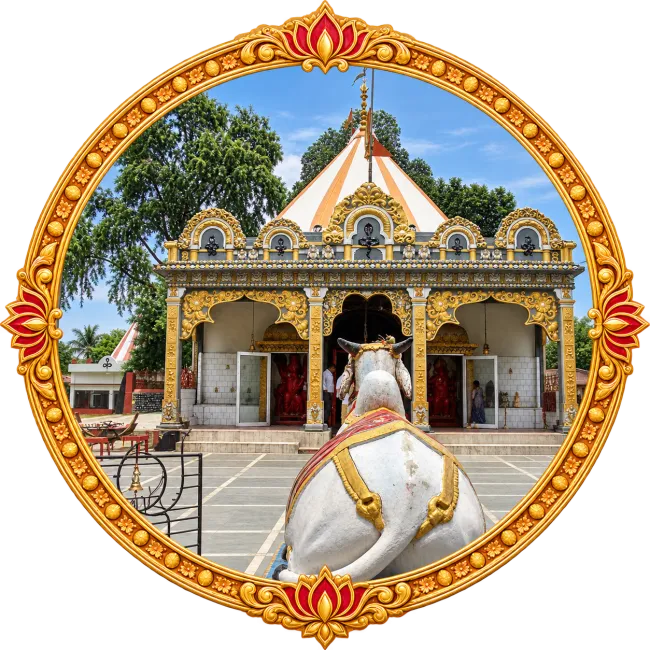
Mahabhairav Temple, Tezpur
Mahabhairav Temple is one of the most revered Shiva shrines in Assam. Located on a small hill in the northern part of Tezpur, the temple is dedicated to Lord Shiva in his Mahabhairav form.
The shrine is believed to contain one of the oldest and largest naturally formed Shiva Lingams in the region. Its origin is traditionally associated with the legendary king Banasura, who is described as a devoted follower of Lord Shiva.
About Mahabhairav Temple
Mahabhairav Temple is situated in Tezpur in the Sonitpur district of Assam. The elevated shrine is reached through a series of steps from the main entrance.
The principal object of worship is a large Shiva Lingam regarded as Swayambhu, meaning naturally manifested. Devotees believe that the Lingam embodies the direct spiritual presence of Lord Shiva.
The name Mahabhairav refers to the powerful form of Shiva who destroys fear, evil and ignorance. Bhairava is also regarded as a guardian deity who protects sacred places and sincere devotees.
The temple attracts large numbers of worshippers on Mondays, during Shravan and especially on Mahashivratri.
When Was Mahabhairav Temple Built and Who Built It?
According to religious tradition, the original Mahabhairav Temple was established by King Banasura, the legendary ruler of ancient Sonitpur.
Banasura was a powerful king and an ardent devotee of Lord Shiva. He is believed to have installed or discovered the Swayambhu Shiva Lingam and constructed the first shrine around it.
The early temple is traditionally described as having been built from stone. It was repaired and supported by different rulers over the centuries.
The great Assam earthquake of 1897 caused severe damage to the old structure. The shrine was later reconstructed, and the present building developed through 20th-century repairs and improvements.
Although the visible temple is comparatively modern, the sacred Lingam and the tradition of Shiva worship at the site are considered ancient.
Legend of King Banasura
Banasura was the son of King Bali and ruled from Sonitpur, the ancient city associated with present-day Tezpur. He had a thousand arms and possessed immense power.
Despite his strength, Banasura was a devoted worshipper of Lord Shiva. He performed severe penance and pleased Shiva, who agreed to protect him.
Banasura’s daughter Usha fell in love with Aniruddha, the grandson of Lord Krishna, after seeing him in a dream. Her companion Chitralekha identified Aniruddha and brought him to Usha.
When Banasura discovered them, he imprisoned Aniruddha. This led to a major battle between Krishna and Banasura. Lord Shiva supported his devotee, while Krishna fought to rescue his grandson.
Krishna eventually defeated Banasura but spared his life because of Shiva’s request. The battle is traditionally connected with the name Tezpur, interpreted as the City of Blood.
Mahabhairav Temple preserves the memory of Banasura’s devotion to Lord Shiva.
Religious Significance
Mahabhairav is worshipped as a powerful protector who removes fear and grants inner strength.
Devotees pray for:
Protection from danger
Courage and confidence
Good health and recovery
Marriage and children
Family welfare
Success in education and employment
Relief from fear and negative influences
Peace of mind
Spiritual discipline
Fulfilment of wishes
The temple is also important for people performing Rudrabhishek, Mahamrityunjaya Mantra recitation and special Monday worship.
Architecture of Mahabhairav Temple
The present temple combines a modern concrete structure with elements of traditional Assamese temple design. A prominent dome and spire rise above the Garbhagriha.
The large Shiva Lingam occupies the central sanctum. A Nandi image faces the deity, following the traditional arrangement of Shiva temples.
The complex includes:
Main Shiva sanctum
Nandi Mandap
Prayer hall
Smaller shrines
Havan area
Temple courtyard
Pilgrim queue passages
Offering counters
Hilltop viewpoints
The elevated position provides views of parts of Tezpur and the surrounding greenery.
Mahabhairav Temple Timings
The temple follows a daily schedule for Abhishekam, Puja, Bhog and Aarti.
Extended darshan and special rituals are arranged during Mahashivratri and Shravan Mondays.
Morning Puja and Aarti
The temple day begins with Mangal Puja and cleansing of the sanctum. Morning Aarti is performed at 6:00 AM.
The morning rituals include:
Water Abhishekam
Milk, curd and honey offering
Bilva leaves
White flowers
Sandalwood paste
Sacred ash
Shiva mantra chanting
Incense and lamps
Naivedya
Morning Aarti
Devotees may participate in Jalabhishek according to instructions issued by the priests.
Bhog and Evening Aarti
Bhog is offered to Lord Mahabhairav at noon. Fruits, sweets and Satvik preparations form part of the offering.
Evening Puja begins at 5:30 PM, followed by Aarti at 6:30 PM. Devotees chant “Om Namah Shivaya” and sing Shiva hymns during the ceremony.
Shayan Puja concludes the day’s worship.
Mahashivratri Mela
Mahashivratri is the largest annual festival at Mahabhairav Temple. A major fair is organised around the shrine, attracting devotees from across Assam and neighbouring states.
Festival activities include:
Special Abhishekam
Rudra Path
Mahamrityunjaya Mantra chanting
Night worship
Bhajan and Kirtan
Religious stalls
Community food distribution
Cultural programmes
Devotees observe fasting and offer water, milk, honey, flowers and Bilva leaves throughout the day and night.
Other Major Festivals
Shravan Month
Mondays during Shravan are highly auspicious. Devotees perform Jalabhishek and offer Bilva leaves.
Kartik Purnima
Pilgrims offer lamps and worship Lord Shiva during Kartik Purnima.
Makar Sankranti
Special prayers and charitable activities are organised during Makar Sankranti.
Bhairav Ashtami
Lord Shiva is worshipped in his Bhairava form for protection from fear and negative forces.
Holi
Holi is celebrated in Tezpur with religious and cultural activities connected with Krishna and Banasura traditions.
Puja and Religious Services
The temple may arrange:
General Shiva Puja
Jalabhishek
Rudrabhishek
Mahamrityunjaya Mantra Path
Mahashivratri Puja
Shravan Monday Puja
Bhairav Puja
Marriage-related prayers
Health and protection Puja
Family welfare prayers
Havan
Puja arrangements should be made through authorised priests or official temple counters.
Offerings and Prasad
Common offerings include:
Water
Milk
Curd
Honey
Bilva leaves
White flowers
Fruits
Coconut
Sandalwood paste
Sacred ash
Incense
Clarified butter
Sweets
Monetary donations
Prasad generally includes sweets, fruits, coconut and blessed flowers.
Dress Code and Temple Rules
There is no strict dress code, but visitors should wear clean and modest clothing. Comfortable footwear is recommended for climbing the steps.
Important rules include:
Remove footwear before entering.
Follow the designated queue.
Do not touch the Lingam unless permitted.
Follow photography restrictions.
Keep the hill and temple clean.
Avoid alcohol and tobacco.
Deposit donations only at authorised counters.
Do not obstruct devotees performing Abhishekam.
Follow directions from priests and security personnel.
Entry Fee and Darshan Duration
General entry and darshan are free. Charges apply to optional Pujas, Abhishekam and ritual materials.
Darshan generally requires 20–45 minutes. During Mahashivratri and Shravan Mondays, waiting time can extend to several hours.
Best Time to Visit
October to March is the most comfortable period for visiting Tezpur. The weather remains suitable for climbing the temple steps and local sightseeing.
Early morning between 7:00 AM and 10:00 AM is ideal for peaceful darshan.
Mahashivratri offers the grandest devotional experience but attracts very large crowds. The monsoon can make the temple steps slippery.
How to Reach Mahabhairav Temple
By Air
Tezpur Airport at Salonibari is approximately 12 kilometres from the temple. Guwahati Airport provides wider flight connectivity.
By Train
Dekargaon Railway Station is the nearest railhead, approximately 10 kilometres away. Rangapara North Junction provides additional connections.
By Road
Tezpur is connected with Guwahati, Nagaon, Kaziranga, Bhalukpong and other towns.
Accommodation and Facilities
Tezpur offers hotels, guest houses, lodges and government tourist accommodation.
Facilities near the temple include:
Parking
Drinking water
Toilets
Shoe-storage area
Puja shops
Prasad stalls
Resting spaces
Local transport
Security assistance
Nearby Places to Visit
Agnigarh: A hill associated with the love story of Usha and Aniruddha.
Bamuni Hills: Known for ancient stone temple remains.
Chitralekha Udyan: A landscaped park with archaeological sculptures.
Da Parbatia: An important archaeological site with an ancient temple doorway.
Ganesh Ghat: A scenic location beside the Brahmaputra.
Bhairabi Temple: A local Shakti shrine.
Nameri National Park: A forest and wildlife destination near Tezpur.
Kaziranga National Park: Famous for the one-horned rhinoceros.
Conclusion
Mahabhairav Temple is an ancient Shiva shrine associated with King Banasura and the mythological heritage of Tezpur. Although the present structure was reconstructed after the 1897 earthquake, the Swayambhu Shiva Lingam remains the spiritual heart of the temple.
The daily Abhishekam, hilltop setting and grand Mahashivratri Mela attract devotees throughout the year. Visitors worship Mahabhairav for courage, protection, health and inner peace.