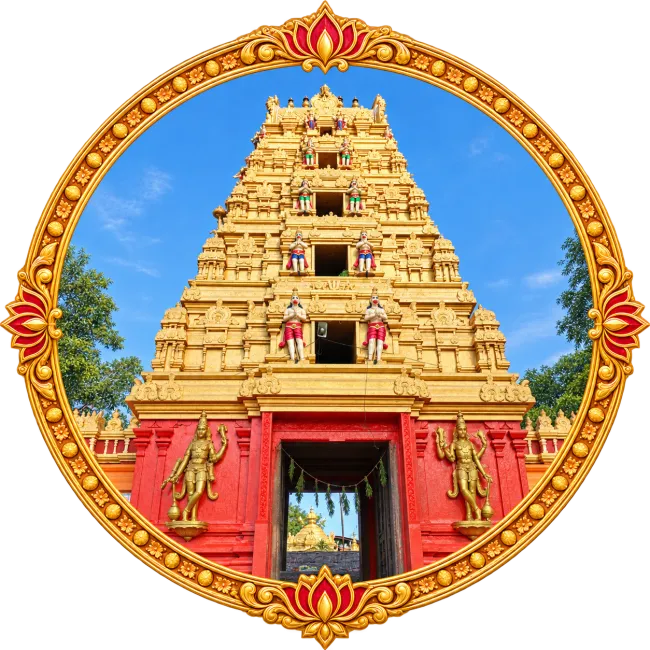
Kondagattu Anjaneya Swamy Temple
Kondagattu Anjaneya Swamy Temple in Telangana is one of the state’s most revered temples dedicated to Lord Hanuman. Situated amid rocky hills and forested surroundings in Jagtial district, the temple is known for its peaceful natural setting, ancient cave-like sanctum and powerful Anjaneya deity.
Devotees visit Kondagattu to pray for courage, good health, marriage, children, protection from negative influences and relief from difficult circumstances. The temple is especially popular among couples seeking blessings for children and devotees observing Hanuman Deeksha.
About Kondagattu Anjaneya Swamy Temple
Kondagattu Anjaneya Swamy Temple is situated on the Kondagattu Hills near Muthyampet village in Jagtial district.
The presiding deity is Lord Anjaneya, also known as Hanuman. He represents courage, devotion, physical strength, wisdom and complete surrender to Lord Rama.
The temple is surrounded by:
Rocky hills
Forest vegetation
Natural caves
Sacred water bodies
Smaller shrines
Traditional Pradakshina routes
Viewpoints overlooking the surrounding region
The hilltop location and comparatively quiet environment make Kondagattu suitable for devotional worship and spiritual discipline.
When and Who Built Kondagattu Temple?
Kondagattu Anjaneya Temple is believed to be more than three centuries old.
Its establishment is associated with a cowherd named Singam Sanjeevudu, who discovered the sacred image of Lord Hanuman after receiving divine guidance in a dream.
Sanjeevudu established a simple place of worship at the location. The shrine gradually became popular among villagers and travellers.
The temple was later developed and renovated by local rulers, landholders and devotees. Krishna Rao Deshmukh is traditionally associated with important renovation and construction work.
Additional facilities, including the entrance structures, halls, steps, roads, queue complexes and pilgrim amenities, were developed during later periods.
The present temple therefore combines an old sacred cave shrine with structures added during successive renovations.
Legend of Singam Sanjeevudu
According to local tradition, Singam Sanjeevudu was a cowherd who lived near the Kondagattu Hills.
One day, he lost one of his buffaloes while grazing animals in the forest. He searched through the rocky and wooded landscape but could not find it.
Exhausted, Sanjeevudu fell asleep beneath a tree. Lord Hanuman appeared in his dream and revealed the location of the missing animal.
The Lord also instructed him to search a particular place within the hills. When Sanjeevudu followed the directions, he found the buffalo and discovered a sacred image of Anjaneya.
Recognising the divine presence, he began worshipping the deity and constructed a simple shrine.
The temple that developed around this sacred image became Kondagattu Anjaneya Swamy Temple.
Unique Form of Lord Anjaneya
The principal deity at Kondagattu is regarded as a powerful manifestation of Lord Hanuman.
Local tradition associates the deity with protective qualities and divine energy connected with Lord Narasimha and other forms of Vishnu.
The sacred image is worshipped with:
Sindoor
Betel leaves
Flowers
Garlands
Oil
Coconuts
Vada Mala
Sacred lamps
Devotees believe that the Lord protects worshippers from fear, illness, enemies, accidents and negative influences.
Religious Significance
Kondagattu Anjaneya is especially worshipped for courage, health and family welfare.
Devotees visit to pray for:
Physical strength
Mental courage
Relief from fear and anxiety
Protection from negative influences
Marriage and marital happiness
Blessings for children
Family peace and prosperity
Success in education
Employment and professional growth
Recovery from illness
Safe travel
Fulfilment of vows
Tuesdays, Saturdays, Hanuman Jayanti and Hanuman Deeksha periods attract the largest crowds.
Blessings for Children
Kondagattu is widely visited by couples praying for children.
According to local devotional tradition, couples perform prescribed Pradakshinas, offer prayers and observe spiritual discipline under the guidance of temple priests.
After receiving the desired blessing, families return with their children to offer gratitude.
Such worship is an expression of faith and should complement professional medical care when fertility treatment or health guidance is required.
Main Deity and Other Shrines
Lord Anjaneya Swamy
Lord Hanuman is the principal deity. Morning Abhishekam, Alankaram, Archana and Aarti are performed regularly.
Lord Rama
Lord Rama represents Dharma and is the supreme object of Hanuman’s devotion.
Goddess Sita
Goddess Sita represents patience, compassion and spiritual strength.
Lord Lakshmana
Lakshmana represents loyalty and service.
Other deities and sacred figures include:
Lord Ganesha
Lord Venkateswara
Lord Narasimha
Shiva Lingam
Nagadevatas
Guardian deities
Garuda
Various forms of Vishnu
Architecture of Kondagattu Temple
The temple combines a natural hill shrine with later South Indian architectural additions.
Cave-Like Sanctum
The principal deity is installed within a sacred rocky area. The sanctum’s compact design preserves the atmosphere of the original shrine.
Entrance Gopuram
The entrance tower is decorated with sculptures of Hanuman, Rama, Sita, Lakshmana and other deities.
Mandapams
Pillared halls provide space for devotees, Archana, Bhajans and festival ceremonies.
Hill Pathways
Steps and road access connect different levels of the temple complex. Devotees should walk carefully because some surfaces may be uneven.
Pradakshina Route
A designated circumambulation path allows devotees to perform Pradakshina while chanting the names of Lord Hanuman.
Sacred Water Sources
The Kondagattu region contains water bodies and small natural sources traditionally associated with the temple.
Devotees use designated areas for ritual washing before darshan.
Water availability and safety can vary by season. Visitors should not enter deep, isolated or slippery water areas.
Soap, shampoo and plastic waste should not be used near sacred water sources.
Kondagattu Anjaneya Temple Timings
The regular daily schedule is:
The temple generally remains open during the afternoon, but darshan may pause briefly during Naivedyam or internal rituals. Timings may be extended during Hanuman Jayanti and major Deeksha events.
Morning Puja and Aarti
The temple opens at 4:00 AM with Suprabhata Seva.
Nirmalya Darshan and morning Abhishekam are conducted from 4:30 AM to 5:30 AM.
Morning Alankaram is performed from 5:30 AM to 6:00 AM. The deity is decorated with flowers, garlands, Sindoor and ornaments.
Morning Aarti and Deepa Aradhana take place at 6:00 AM.
The best morning darshan period is from 5:30 AM to 9:00 AM. Visitors planning long Pradakshina or special worship should choose the cooler morning hours.
Madhyahna Puja
Madhyahna Puja and Maha Naivedyam are performed at 11:30 AM.
Food and sacred offerings are presented to Lord Hanuman. Madhyahna Aarti follows at 12:00 PM.
General darshan may pause briefly during Naivedyam. Visitors should follow the directions of temple staff.
Evening Puja and Aarti
Evening Puja begins at 4:00 PM. Aarti and Deepa Aradhana are performed at 6:30 PM.
The best evening darshan period is from 4:30 PM to 6:30 PM.
Night Puja and final Aarti are conducted at 8:00 PM. The temple closes at 8:30 PM.
Pradakshina Tradition
Devotees perform Pradakshina while chanting:
Sri Rama
Jai Hanuman
Om Anjaneyaya Namaha
Sri Ram Jai Ram Jai Jai Ram
The number of rounds depends on the devotee’s vow and physical ability.
Some devotees follow a prescribed practice for several days or weeks while praying for marriage, children or relief from obstacles.
Visitors should not attempt excessive rounds if they have heart, breathing, knee or mobility conditions. Prayer should be performed safely without physical harm.
Hanuman Deeksha
Hanuman Deeksha is an important devotional practice observed by many pilgrims visiting Kondagattu.
During the Deeksha, devotees generally follow:
Vegetarian food
Daily bathing and prayer
Celibacy
Control over anger
Avoidance of alcohol and tobacco
Simple clothing
Regular temple visits
Chanting of Hanuman’s name
Service to others
Sleeping and eating with discipline
Devotees may wear orange or saffron clothing and carry Mala according to the guidance of a Guru or priest.
The Deeksha concludes with special worship at Kondagattu.
Hanuman Jayanti
Hanuman Jayanti is the grandest annual festival celebrated at Kondagattu Temple.
The celebration includes:
Special Abhishekam
Sindoor Alankaram
Vada Mala offerings
Hanuman Chalisa recitation
Rama Nama chanting
Processions
Bhajans
Annadanam
Deeksha conclusion ceremonies
Large numbers of Hanuman devotees visit from Telangana and neighbouring states.
Special traffic, parking and queue arrangements are introduced during the festival.
Major Festivals
Other important occasions include:
Sri Rama Navami
Deepavali
Ugadi
Vijayadashami
Karthika month
Vaikuntha Ekadashi
Tuesdays and Saturdays
Full-moon observances
Temple annual festival
Special Pujas and extended darshan may be arranged.
Sevas and Offerings
Important temple Sevas include:
Abhishekam
Sindoor Archana
Sahasranama Archana
Vada Mala offering
Betel-leaf garland
Special Aarti
Pradakshina
Hanuman Deeksha Puja
Vahana Puja
Annadanam donation
Festival sponsorship
Flowers, coconuts, fruits, Sindoor, oil, Vada Mala and betel leaves are common offerings.
All Seva tickets should be purchased through authorised counters.
Prasadam
Devotees may receive:
Laddu
Pulihora
Sacred Sindoor
Flowers
Vibhuti
Other blessed food offerings
Sindoor received from a Hanuman temple should be handled respectfully and used according to religious custom.
Prasadam should be collected only from designated counters.
Dress Code and Entry Rules
Visitors should wear clean and modest clothing.
Men may wear a dhoti, kurta-pyjama or full-length trousers with a shirt. Women may wear a saree, half-saree, salwar kameez or another modest outfit.
Saffron clothing may be worn by devotees observing Hanuman Deeksha.
Footwear must be removed before entering. Mobile phones, cameras and large bags may be restricted near the sanctum.
Photography and videography are prohibited in designated worship areas.
Alcohol, tobacco, leather articles and non-vegetarian food must not be carried inside.
Entry Fee and Visit Duration
General darshan is available without an entry fee. Separate charges apply to Abhishekam, Archana and other Sevas.
A regular visit requires 1½ to 2 hours. Devotees performing extended Pradakshina or a special ritual should keep 2½ to 3 hours available.
Waiting times are longer on Tuesdays, Saturdays, Hanuman Jayanti and public holidays.
Best Time to Visit
October to February is the most comfortable period for visiting Kondagattu.
For peaceful darshan, visit between 5:30 AM and 9:00 AM on a weekday.
Evening darshan between 4:30 PM and 6:30 PM provides an opportunity to attend Aarti.
Summers can be extremely hot, so long Pradakshina should be avoided during the afternoon.
How to Reach Kondagattu Temple
By Air
Rajiv Gandhi International Airport in Hyderabad is the nearest major airport with extensive connectivity.
Road or rail travel is required from Hyderabad to Karimnagar, Jagtial and Kondagattu.
By Train
Karimnagar and Jagtial are convenient railway stations for regional travellers. Peddapalli Junction provides broader railway connectivity.
Buses and taxis are available from these towns.
By Road
Kondagattu is well connected with Jagtial, Karimnagar, Hyderabad and nearby towns.
Government and private buses operate regularly. Taxis and private vehicles can travel directly to the hill temple.
Roads near the temple may become congested on Saturdays and festival days.
Nearby Places to Visit
Visitors may also explore:
Kondagattu Hills
Kondagattu Fort remains
Dharmapuri Lakshmi Narasimha Temple
Vemulawada Rajarajeshwara Temple
Jagtial Fort
Elgandal Fort
Lower Manair Dam
Kaleshwaram Temple
Kotilingala
Karimnagar Deer Park
Mallial region
Visitor Guidelines
Visit early on Tuesdays, Saturdays and festival days. Follow designated parking and queue arrangements.
Purchase Seva tickets only from authorised counters. Do not depend on agents promising special access.
Walk carefully on rocky paths and steps, particularly during the monsoon.
Carry drinking water for use outside the sanctum. Avoid plastic waste in the hill and forest areas.
Do not overexert yourself while performing Pradakshina. Stop and seek assistance if you experience dizziness, chest pain or breathlessness.
Conclusion
Kondagattu Anjaneya Swamy Temple is one of Telangana’s most important Hanuman pilgrimage centres. Its hilltop setting, discovery legend of Singam Sanjeevudu, cave-like sanctum and centuries-old worship traditions give it a unique spiritual identity.
The temple is particularly revered by devotees seeking courage, children, protection and relief from obstacles. Hanuman Deeksha, Pradakshina and the grand Hanuman Jayanti celebrations strengthen its importance across the region.
A visit to Kondagattu offers devotees an opportunity to experience discipline, natural beauty and the powerful blessings of Lord Anjaneya.