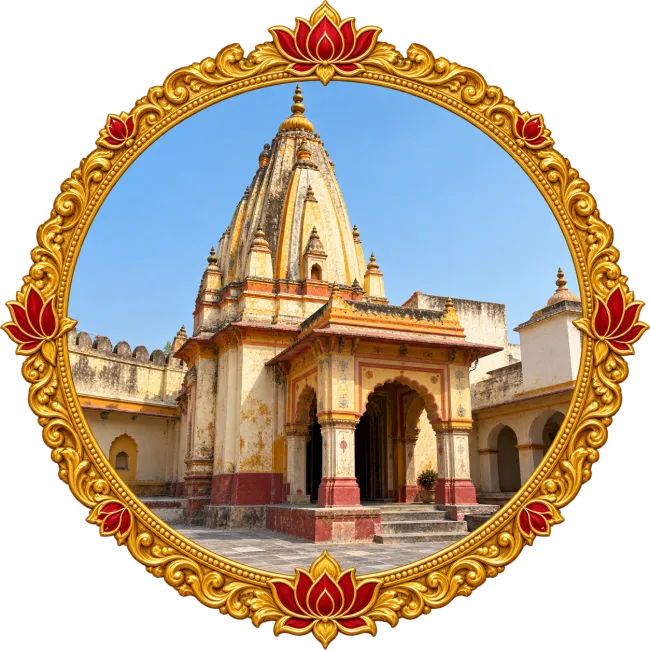
Kalika Devi Temple Kannauj
Kalika Devi Temple in Kannauj is an ancient Siddhpeeth situated on Saurikh Road in Chhibramau. Dedicated to Maa Kalika, the protective and powerful form of the Divine Mother, the temple is one of the most important centres of Shakti worship in Kannauj district. Its religious history is associated with the ninth and tenth centuries and with Dheba, the astrologer connected with the legendary warriors Alha and Udal.
Devotees believe that sincere prayers offered at the temple bring courage, prosperity, protection and relief from difficulties. The temple is particularly famous for Chaitra and Sharad Navratri, when special shringar, Mangala Aarti, Sandhya Aarti, religious programmes and a nine-day fair are organised.
About Kalika Devi Temple Kannauj
Kalika Devi Temple, also known as Siddhpeeth Maa Kalika Devi Mandir, is located in Chhibramau town of Kannauj district. Maa Kalika is worshipped here as the divine mother who protects her devotees from fear, misfortune, negative influences and difficult circumstances.
The temple has been an important religious centre for local families for generations. Devotees visit to pray for marriage, children, family well-being, health, prosperity and protection.
Mundan, annaprashan and other family ceremonies are also performed here. Unmarried women traditionally visit the temple to seek the goddess’s blessings for a suitable life partner.
The temple becomes the centre of major religious activity during Navratri. Separate queues for men and women, barricades, security arrangements and temporary stalls are organised to manage the large number of visitors.
Location of Kalika Devi Temple
Kalika Devi Temple is situated on Saurikh Road in Chhibramau, Kannauj district, Uttar Pradesh. The shrine is located near the Saurikh Tiraha and can be reached from both the eastern and western bypass routes of Chhibramau.
Address: Siddhpeeth Maa Kalika Devi Temple, Saurikh Road, Chhibramau, Kannauj district, Uttar Pradesh – 209721
The temple is accessible by local auto-rickshaw, e-rickshaw, taxi and private vehicle. Visitors travelling on the GT Road can enter Chhibramau and proceed towards Saurikh Road.
History of Kalika Devi Temple Kannauj
The history of Maa Kalika Devi Temple is believed to extend back to the ninth or tenth century. This makes it one of the oldest surviving places of worship in the Chhibramau region.
The temple’s later religious history is associated with a learned astrologer named Dheba, also called Dheva in regional traditions. He belonged to Palyoura village near Chhibramau and was connected with the Mahoba kingdom during the period associated with the celebrated warriors Alha and Udal.
Dheba was born into a local Dikshit family and was known for his knowledge of astrology and religious practices. According to regional history, he performed intense worship of Maa Kalika at this temple and attained spiritual accomplishment.
His reputation eventually reached the ruler of Mahoba, who appointed him as an important court astrologer. This association with Dheba and the Alha-Udal tradition increased the religious reputation of the temple. The shrine gradually became known as a Siddhpeeth—a sacred place where a devotee had attained spiritual siddhi through worship and penance.
The original temple structure has been repaired, renovated and expanded during different periods. Although the visible building includes later additions, the religious importance of the site is connected with its ancient origin and long-established worship tradition.
Who Built Kalika Devi Temple?
Kalika Devi Temple is believed to have been established during the ninth or tenth century. Its historical tradition is associated with the rulers and religious communities of the early medieval Kannauj region.
The temple later became famous because the astrologer Dheba performed worship and spiritual practices here. His association belongs to the period connected with Alha, Udal and the Mahoba kingdom.
The shrine has undergone renovation and expansion over the centuries. Therefore, the present temple complex represents several periods of construction rather than the work of one modern founder.
Association with Dheba, Alha and Udal
Dheba was a respected astrologer connected with the court of Mahoba. Regional accounts describe him as a resident of Palyoura village near Chhibramau.
Before becoming known as a court astrologer, Dheba worshipped Maa Kalika at this temple. He is believed to have performed strict spiritual practices and attained siddhi through the grace of the goddess.
After hearing about his knowledge and spiritual ability, the ruler of Mahoba invited him to the royal court. Dheba subsequently became associated with the period of Alha and Udal, the heroic warriors celebrated in Bundelkhand’s oral traditions and folk poetry.
This historical connection is one of the principal reasons the temple is called a Siddhpeeth. Devotees believe that the spiritual power generated through Dheba’s worship continues to bless the sacred site.
Religious Significance of Kalika Devi Temple
Maa Kalika represents divine power, courage, transformation and protection. Her fierce appearance symbolises the destruction of evil, ego, fear and injustice. For devotees, however, she is also a compassionate mother who protects everyone who approaches her with sincerity.
People visit the temple to pray for:
- Protection from fear and negative influences
- Courage during difficult circumstances
- Family peace and prosperity
- Marriage-related blessings
- The well-being of children
- Success in education and employment
- Good health
- Relief from financial difficulties
- Fulfilment of family vows
- Spiritual strength and confidence
The temple has particular importance for women. Unmarried girls traditionally pray here for a suitable husband, while mothers seek the goddess’s protection for their children.
Kalika Devi Temple Kannauj Timings
The temple follows a morning and evening darshan schedule. It remains closed during the afternoon.
During Chaitra and Sharad Navratri, the temple may open before the regular time and remain accessible for extended hours. Festival programmes and crowd-control arrangements may result in changes to the normal ritual schedule.
Morning Puja and Mangala Aarti
The temple opens at 5:00 AM. The sanctum is cleaned, lamps are lit and the goddess is prepared for morning worship. Flowers, clothes, ornaments, sindoor and other traditional items are used for the morning shringar.
Mangala Aarti is performed at 5:30 AM. Devotees chant the names of the goddess and participate in the offering of lamps and incense.
The period between 6:00 AM and 9:00 AM is suitable for peaceful darshan on regular days. During Navratri, devotees begin gathering before sunrise, and queues may form from the main road to the sanctum.
Evening Puja and Sandhya Aarti
The temple reopens at 4:00 PM after the afternoon interval. Preparations for evening worship begin at 6:30 PM.
Sandhya Aarti is performed at 7:00 PM. The goddess is offered bhog after the evening worship, and prasad is distributed among devotees. Bells, devotional songs and chants create a vibrant spiritual atmosphere throughout the temple.
Visitors planning to attend the Sandhya Aarti should enter the premises before 6:45 PM, especially on Tuesdays, Fridays and Navratri days.
Special Shringar of Maa Kalika
The goddess receives regular shringar with clothes, flowers, jewellery, sindoor and decorative items. During Navratri, two special shringars are performed every day—one in the morning and another in the evening.
Each day of Navratri is dedicated to a different form of Navadurga. The colour of the clothes, decorations and offerings may be selected according to the form worshipped on that day.
Some devotees believe that the appearance and expressions of the deity seem to change during different periods of the day. They regard this experience as a sign of the goddess’s living spiritual presence.
Kakarari Pond
The remains of an old pond known as Kakarari are situated approximately half a kilometre south of the temple. According to local tradition, the pond once remained filled with water throughout the year and was covered with blooming lotus flowers.
The pond was connected with travellers and royal visitors passing through the region. It is said that Raja Sumer Singh of Etawah rested near the pond during his journey for a sacred bath in the Ganga.
Although only parts of the historic water body remain, it continues to be associated with the cultural landscape surrounding Kalika Devi Temple.
Architecture of Kalika Devi Temple
The present temple displays a combination of traditional North Indian architecture and later renovations. The main sanctum is the spiritual centre of the complex and houses the image of Maa Kalika.
Important architectural features include:
- A raised sanctum dedicated to Maa Kalika
- A traditional shikhara above the main shrine
- A prayer hall for devotees
- Space for parikrama
- Areas for lamps and offerings
- A courtyard used during festivals
- Decorative religious paintings and motifs
- Facilities for bhajan, kirtan and religious discourses
The complex has been modified to accommodate larger crowds. Barricades and separate queues are installed during Navratri to regulate entry into the sanctum.
Daily Rituals
Daily worship generally includes:
- Cleaning and preparation of the sanctum
- Morning shringar
- Mangala Aarti
- Flower and kumkum offerings
- Recitation of Devi mantras
- Bhog offering
- Evening shringar
- Sandhya Aarti
- Prasad distribution
Devotees may also arrange special archana, havan, Durga Saptashati Path or other rituals after consulting the temple priest.
Major Festivals Celebrated
Chaitra Navratri
Chaitra Navratri is one of the two largest annual celebrations. The temple is decorated with flowers and lights, and special worship is offered to each form of Navadurga.
Sharad Navratri
Sharad Navratri is celebrated with elaborate arrangements. A nine-day fair is organised around the temple, with stalls selling flowers, fruits, prasad and religious articles.
Durga Ashtami
Special puja, havan and kanya pujan are performed on Ashtami. A large number of families visit the temple to offer prayers and distribute food.
Maha Navami
Devotees arrive from distant villages to offer javare or sacred sprouted grains. Mundan, annaprashan and fulfilment-of-vow ceremonies are also performed.
Maa Durga Shobha Yatra
A major Durga Shobha Yatra organised in Chhibramau concludes at Kalika Devi Temple. The procession includes decorated tableaux, devotional music and large groups of devotees.
Kali Puja and Diwali
Special prayers and lamps are offered to Maa Kalika during Kali Puja and Diwali. Devotees seek protection, prosperity and victory over darkness.
Bhagavata Katha and Religious Programmes
Shrimad Bhagavata Katha, bhajans, kirtans and other spiritual programmes are organised at the temple on important occasions.
Navratri Fair
A fair is organised around the temple for all nine days of Navratri. Temporary shops sell:
- Flowers and garlands
- Coconuts
- Chunari
- Sindoor
- Bangles
- Fruits and sweets
- Religious pictures
- Toys and household items
The fair adds a cultural and community dimension to the festival. Security personnel, barricades and separate queues for men and women are arranged during the busiest days.
Mundan and Annaprashan Ceremonies
Kalika Devi Temple is an important place for family rituals. Parents bring children for mundan, the traditional first haircut ceremony, and annaprashan, when solid food is ceremonially offered to a child for the first time.
These rituals are generally performed under the guidance of a priest. Families planning a ceremony should confirm the date, required materials and available space beforehand, particularly during Navratri.
Marriage-Related Tradition
Unmarried women visit the temple to pray for a suitable life partner and a harmonious married life. They offer flowers, chunari, sindoor, bangles or sweets according to family tradition.
After marriage, some couples return to the temple to express gratitude and seek the goddess’s blessings for their new life.
Offerings and Prasad
Common offerings at Kalika Devi Temple include:
- Red flowers
- Red chunari
- Sindoor and kumkum
- Coconut
- Laddoos
- Jaggery and roasted gram
- Fruits
- Puri and halwa
- Incense sticks
- Ghee lamps
- Bangles
- Sacred thread
After morning and evening aarti, prasad is distributed among devotees. Special bhandaras may be organised during Navratri and other religious events.
Animal sacrifice should not be assumed to be part of temple worship. Visitors should follow only the practices approved by the temple administration.
Entry Fee and Visit Duration
There is no general entry fee for darshan. Donations are voluntary. Special pujas, havans and family ceremonies may involve separate charges for ritual materials and priest services.
A normal visit usually takes 30 to 45 minutes. During Navratri, Ashtami and Navami, devotees may need one to two hours because of longer queues.
Best Time to Visit
October to March is the most comfortable period for visiting Chhibramau. For peaceful darshan, the best time is between 6:00 AM and 9:00 AM on a regular weekday.
Chaitra and Sharad Navratri are ideal for devotees who want to experience the temple’s grand festivities. However, these periods also receive the largest crowds.
Visitor Guidelines
- Wear modest and respectful clothing.
- Remove footwear before entering the worship area.
- Follow the separate queues during Navratri.
- Do not touch the deity or enter restricted areas.
- Ask permission before taking photographs.
- Offer oil and lamps only at designated places.
- Avoid carrying large bags during crowded festivals.
- Keep children and elderly visitors close.
- Do not throw offerings into the old pond area.
- Use authorised priests for special rituals.
- Keep the temple and fairground free from plastic waste.
- Follow police and temple-management instructions.
How to Reach Kalika Devi Temple Kannauj
By Train
Gursahaiganj Railway Station is one of the useful railheads for reaching Chhibramau, depending on the visitor’s route. Kannauj Railway Station and Farrukhabad Junction also provide connections with Kanpur, Lucknow, Kasganj and other cities.
From the railway station, visitors can take a bus, taxi or shared vehicle to Chhibramau. Local auto-rickshaws and e-rickshaws are available for Saurikh Road.
By Road
Chhibramau is connected with Kannauj, Farrukhabad, Mainpuri, Etawah, Kanpur and nearby towns by road. Government and private buses operate on these routes.
Visitors arriving at Chhibramau bus stand can hire an e-rickshaw or auto-rickshaw for Maa Kalika Devi Temple on Saurikh Road.
By Air
Kanpur Airport is the nearest airport with limited flight connectivity. Chaudhary Charan Singh International Airport in Lucknow offers more domestic flight options.
From Kanpur or Lucknow, visitors can reach Chhibramau by taxi, bus or train.
Nearby Places to Visit
Visitors can also explore:
- Gangeshwar Nath Temple, Chhibramau
- Bagiya Wale Hanuman Temple
- Siddh Baba Temple
- Maa Annapurna Temple, Tirwa
- Dauleshwar Mahadev Temple, Tirwa
- Archaeological Museum Kannauj
- Gauri Shankar Temple
- Maa Phoolmati Devi Temple
- Kannauj perfume market
- Lakh Bahosi Bird Sanctuary
Conclusion
Kalika Devi Temple in Chhibramau is one of the oldest and most respected Shakti shrines in Kannauj district. Its origin is associated with the ninth or tenth century, while its Siddhpeeth status is connected with the worship performed here by the astrologer Dheba during the period of Alha and Udal.
The temple’s daily aartis, Navratri celebrations, javare offerings, mundan and annaprashan ceremonies continue to preserve its living religious traditions. For devotees, Maa Kalika is both a powerful protector and a compassionate mother who grants courage, family welfare and spiritual strength.
A visit to Kalika Devi Temple offers an opportunity to experience the ancient religious heritage of Chhibramau and the continuing Shakti worship traditions of Kannauj.