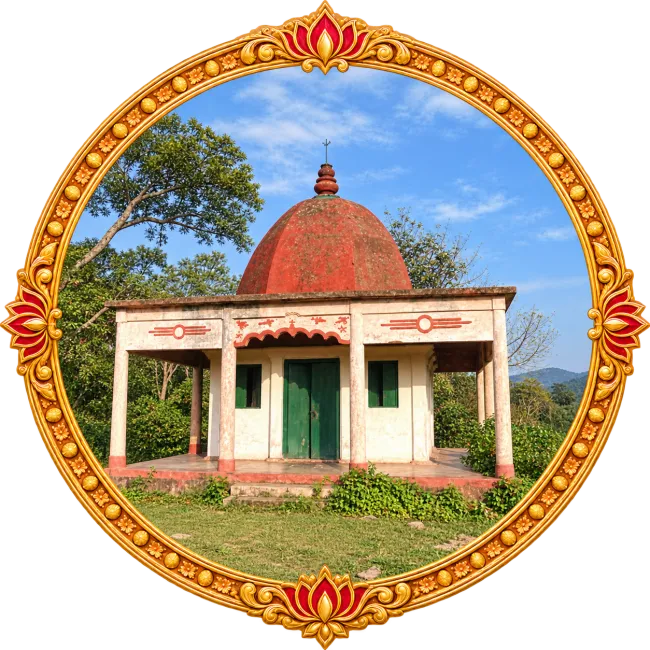
Kali Temple, Guwahati, Assam
Visit Kali Temple on Nilachal Hill in Guwahati, a sacred shrine dedicated to Maa Kali within the wider Kamakhya pilgrimage area. The temple belongs to the Dashamahavidya tradition, which honours ten great wisdom forms of the Divine Mother.
Situated east of Kamakhya Temple, the Mahakali shrine offers devotees a place to pray for courage, protection and spiritual strength. Its connection with the surrounding goddess temples makes it a meaningful stop during a pilgrimage around Nilachal Hill.
About Kali Temple
Kali Temple is located on Nilachal Hill in Guwahati, Assam, near the main Kamakhya shrine.
The presiding goddess is Maa Mahakali, revered as a powerful manifestation of Shakti. The temple forms part of the group of Mahavidya shrines associated with Kamakhya.
The nearby Tara Temple lies between the Mahakali shrine and Kamakhya Temple. This location makes it convenient to include both goddess temples in the same visit.
The shrine covered here is the Mahakali Temple on Nilachal Hill. When arranging transport or asking for directions, use “Mahakali Mandir near Kamakhya” to identify the destination.
History and Religious Heritage of Kali Temple
Kali Temple belongs to the religious heritage of Nilachal Hill, an important centre of Shakta worship in Assam.
The hill contains several places of worship dedicated to forms of the Divine Mother, alongside Shiva temples and sacred water bodies. The Mahakali shrine is part of this larger religious setting.
Its significance is closely connected with the Mahavidya tradition. Devotees worship different forms of the goddess at individual shrines while recognising them as expressions of the same divine power.
The continuing relationship between these temples gives Nilachal its character as a complete pilgrimage landscape. Visiting Kali Temple offers a closer understanding of the goddess worship practised beyond the main Kamakhya sanctum.
Goddess Kali and Her Spiritual Meaning
In Hindu tradition, Kali is associated with time, transformation and the destruction of ignorance. Her fierce appearance expresses the power to confront fear and overcome attachment.
She is also approached as a compassionate mother. Devotees seek her protection when facing uncertainty and pray for the strength to act with courage.
Traditional representations of Mahakali include a dark complexion, flowing hair, a sword and gestures offering blessings and reassurance. These features belong to the goddess’s religious iconography and should not be read simply as signs of anger.
At Nilachal, Dakshinakali is associated with Shani, giving Saturday particular devotional significance.
Religious Significance of Kali Temple
Worship at Kali Temple centres on surrender, protection and inner strength.
Devotees may pray for:
Courage during difficult periods.
Peace within the family.
Freedom from fear and destructive habits.
Clarity in important decisions.
Greater self-discipline.
Progress in spiritual life.
These prayers express the devotee’s faith in the goddess. A visit can be meaningful through simple darshan and quiet reflection, without elaborate arrangements.
The shrine also provides an opportunity to understand Kali within the broader Shakta tradition, where divine power is expressed through both nurturing and fierce forms.
Connection with the Dashamahavidyas
Kali is traditionally recognised as the first of the ten Mahavidyas.
The Mahavidyas represent different approaches to spiritual wisdom. Their forms include Kali, Tara, Tripura Sundari, Bhuvaneshwari, Bhairavi, Chhinnamasta, Dhumavati, Bagalamukhi, Matangi and Kamala.
Nilachal Hill brings these traditions together through its goddess shrines. A pilgrimage around the hill allows devotees to encounter several forms of Shakti within one sacred area.
Visitors can begin with the temples nearest their chosen approach and allow enough time for walking and prayer at each stop.
Temple Setting and Visitor Experience
The Kali shrine is part of an active pilgrimage neighbourhood. Paths connect places of worship, and visitors move between individual temples during their Nilachal visit.
The main focus is darshan and worship of the goddess. Give the shrine the same attention and respect as the larger temples nearby.
When exploring the temple area:
Leave entrances clear.
Avoid stopping on narrow steps.
Keep conversations quiet during worship.
Take photographs only where permitted.
Allow other devotees space to pray.
The surrounding hill is best explored at a comfortable pace, particularly when visiting several temples with children or elderly family members.
Kali Temple Timings
For planning a daytime visit to the Nilachal temple area, the following windows are practical:
Allow additional time for Kamakhya darshan, walking between temples and breaks during the day.
Morning Worship and Darshan
A morning visit works well when including Kali Temple in a wider Nilachal pilgrimage.
Carry offerings in a small bag and keep them ready before approaching the worship area. After darshan, move aside if you wish to continue with personal prayers.
For a simple devotional visit, spend a few moments remembering Maa Kali as a source of courage and strength. Avoid rushing from one shrine to another merely to complete a list of temples.
Evening Worship
Evening prayer offers an opportunity to end the day with gratitude and reflection.
Visitors present during a ceremony should remain in the designated area and avoid obstructing access to the sanctum. Keep phones silent and respect the privacy of ritual activity.
For an ordinary sightseeing visit, complete the walking portions of the hill before darkness. Night ceremonies connected with special religious occasions have their own arrangements.
Offerings at Kali Temple
Simple offerings associated with Kali worship include:
Red hibiscus flowers.
Other fresh flowers.
Fruits.
Sweets.
A small cloth offering.
Present offerings only at the designated place. Keep packaging separate and dispose of it properly.
Avoid lighting lamps or incense along pathways or beside structures without permission. A respectful prayer is sufficient for visitors who do not wish to make material offerings.
Festivals and Special Worship
Dakshina Kali Puja
The Kamakhya religious calendar includes Dakshinayan Sankranti and the worship of Sri Sri Dakshina Kali Devi, observed in July.
This is a particularly relevant occasion for understanding Kali worship within the Nilachal temple tradition. Special observances should be distinguished from the shrine’s ordinary daily routine.
Durga Puja
Durga Puja is a major festival in the wider Kamakhya pilgrimage area. The season brings increased devotion to the Divine Mother and greater numbers of visitors.
Ambubachi Mela
Ambubachi is the major annual gathering associated with Kamakhya. It transforms the atmosphere of Nilachal Hill, with extensive pilgrimage activity and special crowd arrangements.
These occasions affect travel and access across the surrounding temple area.
Best Time to Visit
A clear-weather morning is a practical choice for combining Kali Temple with other Nilachal shrines.
Choose a day with enough time for both worship and walking. During hot weather, carry water and take breaks. During rain, move carefully on wet steps and sloping paths.
Saturday has devotional significance for Dakshinakali worship. Festival visits offer a different experience from an ordinary day and require more time for movement through the pilgrimage area.
How to Reach Kali Temple
By Air
Lokpriya Gopinath Bordoloi International Airport serves Guwahati. Continue by taxi towards the Kamakhya Temple area on Nilachal Hill.
By Train
Kamakhya Railway Station is convenient for reaching the hill. Guwahati Railway Station is another major arrival point.
Continue from the station by local road transport towards Kamakhya.
By Road
Guwahati is connected by road with destinations across Assam and neighbouring states. Travel towards the Kamakhya approach road, then complete the local approach to the Kali shrine on foot.
Tell the driver that you are visiting Mahakali Temple on Nilachal Hill near Kamakhya.
Nearby Temples to Visit
Kamakhya Temple: The principal shrine of the Nilachal pilgrimage area.
Tara Devi Temple: Located between the Mahakali shrine and Kamakhya.
Bhuvaneshwari Temple: Another important goddess shrine on the hill.
Bhairavi Temple: Part of Nilachal’s Mahavidya tradition.
Chhinnamasta Temple: A separate shrine requiring attention to its stepped approach.
Bagalamukhi and Dhumavati Shrines: Other places of Mahavidya worship in the wider area.
Important Visitor Guidelines
Wear modest clothing suitable for worship.
Remove footwear at the designated point.
Keep offerings small and manageable.
Respect photography restrictions.
Avoid touching sacred objects without permission.
Keep phones silent during ceremonies.
Walk carefully on steps and uneven paths.
Carry drinking water.
Allow rest breaks for elderly visitors.
Keep the temple surroundings clean.
Follow queue and festival arrangements.
Respect the privacy of specialised rituals.
Conclusion
Kali Temple on Nilachal Hill is a meaningful part of Guwahati’s Shakta heritage. Its worship of Mahakali and connection with the Mahavidya shrines add depth to a Kamakhya pilgrimage.
A thoughtful visit offers time to pray for courage, reflect on the goddess’s spiritual symbolism and appreciate the continuing religious traditions of Nilachal Hill.