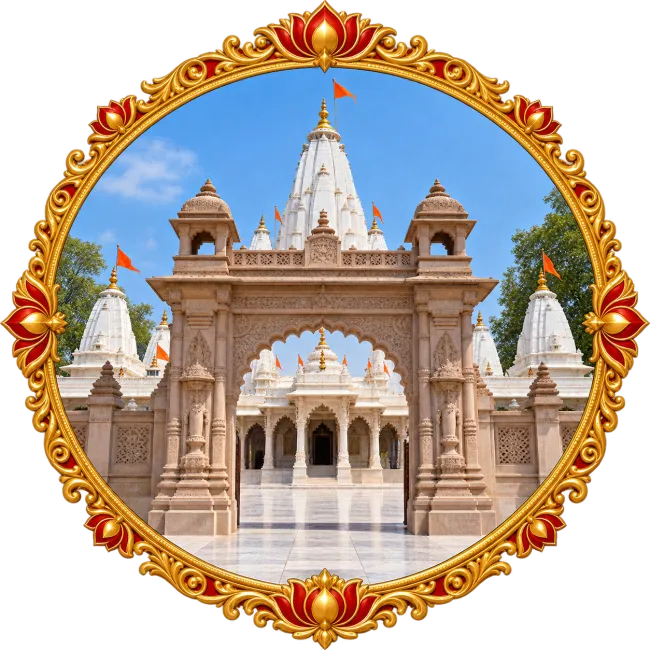
Kali Paltan Temple, Meerut
Visit Kali Paltan Temple Meerut, a sacred Shiva temple and an important landmark connected with the Indian Rebellion of 1857. The temple is officially known as Baba Aughadnath Shiv Mandir and is situated in the Meerut Cantonment area. It houses a Swayambhu Shivling worshipped as Baba Aughadnath, the generous and compassionate form of Lord Shiva.
The temple served as an important meeting place for Indian soldiers and revolutionaries before the uprising of 10 May 1857. Its historical well, memorial dedicated to the freedom fighters, ancient Shivling, daily aarti, and grand Shravan celebrations make it a unique combination of spirituality, history, courage, and patriotism.
About Kali Paltan Temple Meerut
Kali Paltan Temple is situated near West End Road in the Sadar Bazaar area of Meerut Cantonment, Uttar Pradesh. It is one of the oldest and most respected Shiva temples in the city.
The principal deity is Lord Shiva, worshipped as Baba Aughadnath. The small Shivling installed in the sanctum is traditionally regarded as Swayambhu, meaning that it manifested naturally rather than being carved and installed by a human being.
The temple is considered a Siddhpeeth where devotees pray for good health, protection, marriage, children, family happiness, professional progress, and fulfilment of wishes. Mondays, Pradosh Vrat, monthly Shivratri, Mahashivratri, and the Shravan month attract large numbers of worshippers.
The temple complex also preserves a historical well and a memorial connected with the events of 1857. For this reason, Kali Paltan Temple is both a religious pilgrimage site and a symbol of India’s freedom struggle.
Why It Is Called Kali Paltan Temple
The name Kali Paltan is connected with the Indian soldiers who served in the British army during the nineteenth century.
During British rule, Indian military regiments were commonly referred to locally as the Kali Paltan. Here, the word paltan means a military regiment. The name distinguished the Indian units from the European soldiers stationed in Meerut Cantonment.
The temple was situated close to the barracks and training grounds used by Indian soldiers. Many soldiers visited the temple regularly for worship, water, rest, and spiritual guidance. Due to its close association with these Indian regiments, it became popularly known as Kali Paltan Mandir.
The name does not indicate that the temple is dedicated to Goddess Kali. Kali Paltan Temple is primarily a Shiva temple dedicated to Baba Aughadnath.
History of Kali Paltan Temple
Kali Paltan Temple has been a centre of Shiva worship since the nineteenth century. Historical accounts connect the shrine’s development with the discovery of a Shivling beneath the ground in 1844.
A small place of worship was established for the sacred Shivling. Indian soldiers stationed in Meerut Cantonment began visiting the shrine, and it gradually became a respected spiritual centre.
Maratha rulers and soldiers are also traditionally associated with worship at the site during their journeys through the region. The shrine provided a place where travellers, residents, and military personnel could offer prayers to Lord Shiva.
The original temple was a comparatively simple structure. After independence, plans were made to develop a larger temple capable of accommodating the increasing number of devotees.
The foundation for the present larger complex was laid in 1968. The older structure was replaced, and a new temple was constructed while preserving the sacred Shivling.
A hexagonal prayer hall was constructed in 1987. This hall provided additional space for aarti, Rudrabhishek, bhajan, and gatherings of devotees.
In 2001, a Kalash made with approximately 4.5 kilograms of gold was installed on the temple spire. The golden Kalash became one of the temple’s most recognisable architectural features.
The temple has continued to undergo improvements for security, cleanliness, crowd management, and pilgrim convenience.
Kali Paltan Temple and the Revolt of 1857
Kali Paltan Temple occupies an important place in the history of the Indian Rebellion of 1857. At that time, Meerut was a major military cantonment of the East India Company.
Indian soldiers from different religious and regional backgrounds were stationed in the cantonment. Many of them visited Kali Paltan Temple and gathered near its premises. The temple provided a trusted location where soldiers and revolutionaries could communicate away from direct British supervision.
A historical well situated inside the temple complex was used by Indian soldiers for drinking water. A popular temple tradition connects this well with the controversy involving cartridges issued for the new Enfield rifle.
The cartridges had to be bitten open before use. It was believed that they were greased with the fat of cows and pigs. This deeply offended Hindu and Muslim soldiers because cows are sacred in Hinduism and pigs are prohibited in Islam.
According to the temple tradition, the priest questioned soldiers associated with the objectionable cartridges and refused to provide water from the sacred well. This incident intensified the religious and emotional anger already developing among the troops.
On 24 April 1857, soldiers of the 3rd Bengal Light Cavalry refused to accept and use the cartridges. Eighty-five soldiers were court-martialled and publicly punished on 9 May 1857.
On 10 May 1857, Indian soldiers in Meerut rose against British rule. They freed their imprisoned companions and proceeded towards Delhi. The movement soon spread across northern and central India and became known as the First War of Indian Independence.
Kali Paltan Temple is remembered as one of the places where revolutionary discussions took place and resistance gained spiritual strength. The temple’s association with both Hindu and Muslim soldiers also represents unity against colonial rule.
Historical Well and Martyrs’ Memorial
The historical well inside the temple complex is an important reminder of the temple’s connection with the events of 1857. Indian soldiers stationed in the nearby barracks used this well for drinking water.
A memorial was later established near the well to honour the soldiers and freedom fighters associated with the uprising. Major General Jagjit Singh Arora, remembered for his role in India’s victory during the 1971 Bangladesh Liberation War, was associated with the dedication of the memorial.
Every year on 10 May, citizens, officials, historians, and devotees pay tribute to the freedom fighters. Flowers are offered at the memorial, and the sacrifices of the revolutionaries are remembered.
Visitors should spend time at the memorial after completing darshan. It explains why the temple is regarded not only as a Shiva shrine but also as a place of national importance.
Religious Significance of Kali Paltan Temple
Baba Aughadnath is worshipped as the compassionate form of Lord Shiva who is easily pleased by sincere devotion. The word Aughad represents Shiva’s simple, detached, fearless, and generous nature.
Devotees believe that worshipping the Swayambhu Shivling can:
- Remove fear and mental stress.
- Protect the family from difficulties.
- Help devotees overcome obstacles.
- Bring health and spiritual strength.
- Bless unmarried devotees with a suitable partner.
- Promote peace and harmony in married life.
- Support progress in career and business.
- Grant courage during challenging situations.
- Protect devotees from negative influences.
- Fulfil sincere and righteous wishes.
Many devotees perform Jalabhishek or Rudrabhishek after a wish is fulfilled. Newly married couples and families with young children also visit to seek the blessings of Baba Aughadnath.
Architecture of Kali Paltan Temple
The present temple is constructed mainly with white marble and reflects modern North Indian temple architecture. Its clean façade, elevated shikhara, open courtyard, and spacious prayer hall create a calm devotional environment.
The main sanctum houses the Swayambhu Shivling of Baba Aughadnath. A statue of Nandi, Lord Shiva’s sacred vehicle and devoted attendant, faces the sanctum.
The hexagonal hall constructed in 1987 is one of the complex’s prominent features. It accommodates devotees during aarti, bhajan, Rudrabhishek, and special religious programmes.
The golden Kalash installed in 2001 crowns the temple shikhara. It adds beauty and religious importance to the structure.
The complex also contains a separate shrine dedicated to Radha and Krishna. Sacred images of other Hindu deities can also be seen within the premises.
The historical well and 1857 memorial distinguish Kali Paltan Temple from other Shiva temples. Religious carvings, polished marble flooring, bells, lamps, and floral decorations enhance the temple’s spiritual atmosphere.
Kali Paltan Temple Timings
The regular darshan and aarti schedule is as follows:
The schedule may be modified during Mondays of Shravan, Mahashivratri, Shravan Shivratri, Pradosh Vrat, and the Kanwar Yatra.
On major Shiva festivals, the temple may open earlier and remain accessible for extended hours. Special arrangements are introduced for Jalabhishek, security, and queue management.
Daily Puja and Aarti
Daily worship begins at 6:00 AM with the opening of the sanctum and morning aarti. Priests perform the initial puja and offer water, milk, flowers, Bilva leaves, sandalwood paste, sacred ash, and incense to Baba Aughadnath.
Devotees can perform Jalabhishek during the morning darshan session. Milk and water should be offered through the system provided by the temple.
Afternoon aarti is performed at 1:00 PM. The temple then observes a short interval before reopening at 3:00 PM.
Evening aarti takes place at 7:00 PM. Priests offer lamps before the Shivling while devotees chant Shiva mantras and sing devotional hymns.
Common chants heard during the aarti include:
“Om Namah Shivaya”
“Har Har Mahadev”
“Baba Aughadnath Ki Jai”
The sound of bells, conch shells, mantras, and collective chanting creates a deeply spiritual atmosphere.
Rudrabhishek at Kali Paltan Temple
Rudrabhishek is one of the most important rituals performed at the temple. During this puja, the Shivling is bathed with sacred substances while Vedic mantras and the Shri Rudram are recited.
Items used in Rudrabhishek may include:
- Ganga water
- Milk
- Curd
- Honey
- Sugar
- Ghee
- Sugarcane juice
- Sandalwood paste
- Bhasma
- Bilva leaves
- Flowers
Devotees arrange Rudrabhishek for health, family peace, marriage, children, professional progress, protection, and fulfilment of wishes.
Personal puja and Rudrabhishek arrangements should be made through the temple office or authorised priests.
Major Festivals Celebrated at the Temple
Mahashivratri
Mahashivratri is the most important festival at Kali Paltan Temple. Thousands of devotees visit to offer Ganga water, milk, flowers, honey, and Bilva leaves.
Special Rudrabhishek, night worship, bhajan, aarti, and mantra chanting are conducted. Queue barriers, security checks, drinking water, medical support, and crowd-control measures are introduced.
Shravan Month
The entire month of Shravan is dedicated to Lord Shiva. The temple remains crowded every day, especially on Mondays.
Devotees begin arriving before sunrise for Jalabhishek. The Shivling is decorated with flowers, Bilva leaves, sandalwood paste, and sacred ornaments.
Kanwar Yatra and Shravan Shivratri
Kali Paltan Temple is an important destination for Kanwariyas in western Uttar Pradesh. Devotees walk from Haridwar carrying Ganga water and offer it to Baba Aughadnath.
Large-scale security, traffic, queue, medical, and sanitation arrangements are made during the Kanwar Yatra.
Pradosh Vrat
Pradosh Vrat is observed twice each lunar month. Devotees visit during the evening, perform Jalabhishek, and pray for protection, prosperity, and spiritual progress.
Monthly Shivratri
Monthly Shivratri is marked by fasting, Shiva mantra chanting, Jalabhishek, and evening worship.
10 May Remembrance
The anniversary of the Meerut uprising is observed on 10 May. Tributes are offered at the memorial to honour the freedom fighters associated with the First War of Independence.
Offerings and Prasad
Devotees may offer:
- Ganga water
- Fresh water
- Milk
- Bilva leaves
- White flowers
- Dhatura
- Aak flowers
- Honey
- Sandalwood paste
- Bhasma
- Seasonal fruits
- Coconut
- Sweets
- Rudraksha
- Ghee lamps
Prasad generally includes fruits, sweets, sugar crystals, or Panchamrit. Bilva leaves should be clean and undamaged before being offered.
Devotees should not pour milk or water outside the designated abhishek system. All puja materials should be placed in the containers provided by the temple.
Entry Fee and Visit Duration
There is no entry fee for general darshan at Kali Paltan Temple. Visitors can worship at the principal shrine and view the historical well and memorial without purchasing a ticket.
Charges may apply for Rudrabhishek, personal puja, special bhog, or other religious services.
A regular visit requires 45 minutes to one hour. Visitors interested in attending aarti and understanding the historical features should reserve one to two hours.
During Mahashivratri, Shravan Mondays, and the Kanwar Yatra, waiting time can increase significantly.
Best Time to Visit
October to March is the most comfortable period for visiting the temple. The weather remains suitable for darshan and exploring other attractions in Meerut.
The best daily darshan periods are:
- Morning: 6:30 AM – 9:00 AM
- Evening: 5:00 PM – 7:30 PM
- Evening Aarti: 7:00 PM
Monday is the principal day for Shiva worship and attracts more devotees. Tuesday to Friday mornings are preferable for peaceful darshan.
Shravan and Mahashivratri provide the grandest devotional experience, but visitors should be prepared for long queues.
Visitor Guidelines
- Wear modest and respectful clothing.
- Remove footwear at the designated counter.
- Follow the queue system for darshan and Jalabhishek.
- Use only the designated arrangement for water and milk offerings.
- Seek permission before photographing the sanctum.
- Photography may be restricted in worship areas.
- Respect the historical well and martyrs’ memorial.
- Do not touch or damage any memorial inscription.
- Use authorised counters for donations and puja bookings.
- Keep mobile phones on silent mode.
- Maintain cleanliness within the complex.
- Follow police and security instructions during festivals.
- Keep children and elderly devotees close in crowded conditions.
- Avoid carrying tobacco, alcohol, leather items, or non-vegetarian food.
How to Reach Kali Paltan Temple
By Air
Hindon Airport in Ghaziabad is the nearest airport with limited flight services. Indira Gandhi International Airport in Delhi is the nearest major airport and is approximately 90 to 100 kilometres from Meerut.
Taxis and buses are available from Delhi and Ghaziabad to Meerut.
By Train
Meerut Cantonment Railway Station is the nearest railway station and is situated a short distance from the temple. Meerut City Junction is approximately 6 to 7 kilometres away.
Meerut is connected by train with Delhi, Ghaziabad, Saharanpur, Haridwar, Dehradun, Ambala, and other cities.
Auto-rickshaws, e-rickshaws, and taxis are available outside both railway stations.
By Bus
Bhainsali Bus Stand is one of the nearest major bus terminals. Regular buses connect Meerut with Delhi, Ghaziabad, Muzaffarnagar, Bijnor, Haridwar, Hapur, and Saharanpur.
Visitors can take an auto-rickshaw or e-rickshaw from the bus stand to West End Road in Meerut Cantonment.
By Road
Meerut is connected with Delhi and the National Capital Region through the Delhi–Meerut Expressway. Travellers arriving by private vehicle can proceed towards Meerut Cantonment, Sadar Bazaar, and West End Road.
Parking and vehicle movement may be restricted near the temple during Mahashivratri and the Kanwar Yatra.
Nearby Places to Visit
Visitors can explore the following nearby attractions:
- Gandhi Bagh
- St. John’s Church
- Government Freedom Struggle Museum
- Shaheed Smarak
- Sadar Maa Kali Mata Temple
- Mustafa Castle
- Shahpeer’s Mausoleum
- Suraj Kund
- Mansa Devi Temple
- Bilveshwar Nath Temple
- Hastinapur Jain Temples
Conclusion
Kali Paltan Temple, also known as Baba Aughadnath Shiv Mandir, is one of Meerut’s most important spiritual and historical landmarks. Its Swayambhu Shivling, daily Shiva worship, connection with Indian soldiers, and role in the events preceding the uprising of 1857 give it a unique identity.
The construction of the present temple in 1968, the addition of the hexagonal hall in 1987, and the installation of the gold Kalash in 2001 represent significant stages in its development. The historical well and martyrs’ memorial continue to remind visitors of the courage and sacrifice of the freedom fighters.
Whether devotees visit for Jalabhishek, Rudrabhishek, morning worship, evening aarti, Mahashivratri, or to understand Meerut’s revolutionary history, Kali Paltan Temple offers a powerful experience of faith, courage, unity, and national pride.