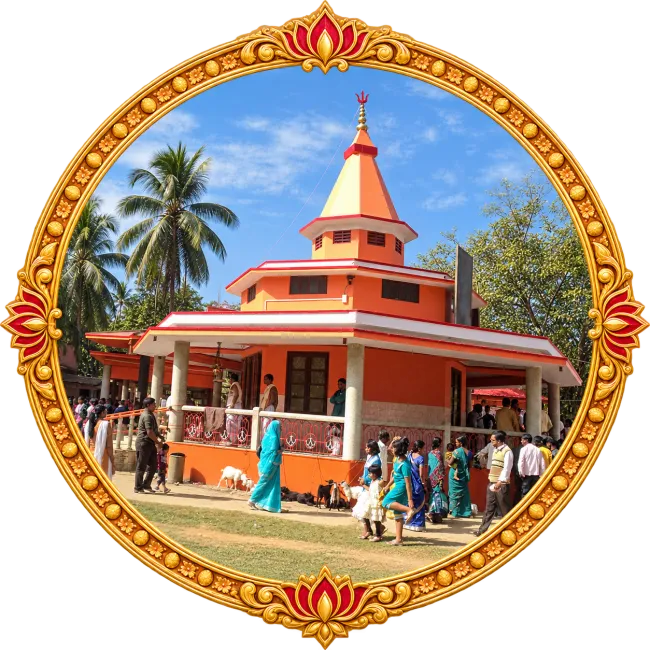
Kachakanti Temple, Cachar
Kachakanti Temple is an important Shakti shrine located at Udharbond near Silchar in the Cachar district of Assam. Dedicated to Goddess Kachakanti, the temple preserves the religious and cultural heritage of the Dimasa-Kachari kingdom.
Goddess Kachakanti is worshipped as a combined manifestation of Kali and Durga. Devotees approach her for protection, courage, prosperity and relief from negative influences. The shrine becomes especially important during Durga Puja, Navratri and Kali Puja.
About Kachakanti Temple
Kachakanti Temple is situated approximately 15 kilometres from Silchar. The peaceful location and spacious grounds make it one of the most prominent religious destinations in the Barak Valley.
The name Kachakanti is closely associated with the Kachari royal tradition. The Goddess was regarded as the guardian deity of the kingdom and its ruling family.
Her form combines characteristics of:
Goddess Kali
Goddess Durga
Chandika
The protective mother deity of the Kachari people
Although her divine form is fierce, devotees worship her as a compassionate mother who protects those who approach her with sincerity.
When Was Kachakanti Temple Built and Who Built It?
The original Kachakanti Temple was built in 1806 during the reign of Dimasa-Kachari king Krishnachandra Narayan.
The Kachari rulers regarded Kachakanti as their royal deity and established the temple for regular worship, protection of the kingdom and important royal ceremonies.
The earlier structure deteriorated over time because of weather, political changes and limited maintenance. A new temple was constructed at the sacred site during the 20th century, with an important reconstruction completed in 1978.
The present shrine was developed through the efforts of local devotees, community organisations and the temple administration. It continues the traditions established under the Kachari rulers.
Goddess Kachakanti
Kachakanti is regarded as a combined form of Kali and Durga. From Kali, she represents the power to destroy fear, ego and evil. From Durga, she represents protection, courage and maternal compassion.
Her worship reflects the interaction between indigenous Dimasa-Kachari religious traditions and wider Shakta practices.
The Goddess symbolises:
Protection of the community
Victory over evil
Courage during hardship
Agricultural prosperity
Fertility and family welfare
Justice and moral strength
Spiritual transformation
The Kachari rulers traditionally sought her blessings before important political and military decisions.
Connection with the Dimasa-Kachari Kingdom
The Dimasa-Kachari kingdom was one of the major historic powers of northeastern India. Its rulers governed territories across parts of present-day Assam and neighbouring regions.
After establishing their political centre in the Cachar region, the rulers supported temples and religious institutions. Kachakanti became an important royal Goddess and protector of the kingdom.
The temple preserves this connection through its name, worship traditions and continuing importance among communities of the Barak Valley.
Religious Significance
Devotees visit Kachakanti Temple to pray for:
Protection from danger
Courage and strength
Good health
Family welfare
Marriage and children
Prosperity and business success
Relief from fear
Freedom from negative influences
Victory over obstacles
Fulfilment of wishes
The temple is particularly important to followers of Shakti and families maintaining traditional connections with the Kachari royal deity.
Architecture of Kachakanti Temple
The present structure displays modern temple architecture with regional influences. The temple has a prominent central tower, spacious courtyard and covered areas for worship.
The Garbhagriha houses the sacred image of Goddess Kachakanti. The deity is decorated with red clothes, flowers, garlands, jewellery, sindoor and a crown.
The complex includes:
Main sanctum
Prayer hall
Havan area
Temple courtyard
Smaller shrines
Puja and donation counters
Pilgrim queue passages
Festival grounds
Resting spaces
The open grounds allow large gatherings during Durga Puja and Navratri.
Kachakanti Temple Timings
The temple follows a daily schedule for Puja, Bhog and Aarti.
Festival ceremonies may extend darshan hours or affect the general queue.
Morning Puja and Aarti
The day begins with purification of the sanctum and Mangal Puja. Morning Aarti is performed at 6:00 AM.
The morning rituals include:
Ceremonial cleaning
Offering of fresh clothes
Flower and garland decoration
Sindoor and sandalwood
Crown and jewellery decoration
Mantra chanting
Incense and lamps
Naivedya
Morning Aarti
General darshan continues after the morning Shringar has been completed.
Bhog and Evening Aarti
Bhog is offered to Goddess Kachakanti at noon. The offering may include rice, sweets, fruits and other ceremonial preparations.
Evening Puja begins at 5:30 PM, followed by Aarti at 6:30 PM. Devotees participate through hymns and the chanting of the Goddess’s name.
Shayan Puja is performed before the temple closes.
Major Festivals
Durga Puja
Durga Puja is one of the largest annual celebrations at Kachakanti Temple. Special Puja, Shringar, Havan, Pushpanjali and prasad distribution are organised.
Sharadiya Navratri
The nine forms of Goddess Durga are worshipped throughout Sharadiya Navratri. Durga Ashtami and Navami attract particularly large crowds.
Chaitra Navratri
Devotees observe fasting and participate in special Puja, Chandi Path and Havan.
Kali Puja
The Kali aspect of Goddess Kachakanti is worshipped through special evening rituals and lamp offerings.
Durga Ashtami
Durga Ashtami is marked by elaborate worship, Kanya Pujan and devotional ceremonies.
Diwali
The temple is illuminated with lamps, and devotees pray for prosperity and protection.
Puja and Religious Services
Available ceremonies may include:
General Kachakanti Puja
Special Devi Puja
Navratri Puja
Durga Saptashati Path
Chandi Path
Havan
Kanya Pujan
Family welfare Puja
Marriage-related prayers
Child-blessing ceremony
Protection Puja
Thanksgiving worship
Puja arrangements should be completed through authorised priests or designated counters.
Offerings and Prasad
Traditional offerings include:
Red flowers
Red chunri
Sindoor
Coconut
Fruits
Sweets
Bangles
Incense
Clarified butter
Shringar materials
Monetary donations
Animal sacrifice was historically associated with certain royal and Shakta ceremonies. Modern visitors should follow the practices and restrictions established by the temple administration. Symbolic offerings can include coconut, pumpkin, fruits and sweets.
Prasad generally consists of sweets, coconut, fruits and blessed flowers.
Dress Code and Temple Rules
There is no rigid dress code, but visitors should wear clean and modest clothing.
Important rules include:
Remove footwear before entering.
Follow the designated queue.
Do not touch the principal deity.
Follow photography restrictions.
Respect ongoing Shakta rituals.
Keep the temple and grounds clean.
Avoid alcohol and tobacco.
Deposit donations only at authorised counters.
Follow instructions from priests and security personnel.
Entry Fee and Darshan Duration
General entry and darshan are free. Charges apply only to optional Pujas, Havan and ritual materials.
Darshan generally requires 20–45 minutes. During Navratri, Durga Puja and Kali Puja, waiting time can extend to several hours.
Best Time to Visit
October to March is the most comfortable period for visiting Cachar. The weather is suitable for temple visits and travel around Silchar.
Early morning between 7:00 AM and 10:00 AM is ideal for peaceful darshan.
Durga Puja and Navratri provide the grandest devotional atmosphere but attract the largest crowds. The monsoon brings heavy rainfall to the Barak Valley, so road conditions should be checked before travel.
How to Reach Kachakanti Temple
By Air
Silchar Airport at Kumbhirgram is approximately 15 kilometres from the temple.
By Train
Silchar Railway Station is the nearest major railhead.
By Road
The temple is accessible from Silchar, Udharbond and surrounding parts of Cachar by bus, taxi, auto-rickshaw or private vehicle.
Accommodation and Facilities
Hotels, guest houses and lodges are available in Silchar. Basic services can also be found near Udharbond.
Temple facilities include:
Parking
Drinking water
Toilets
Shoe-storage area
Puja shops
Prasad stalls
Resting spaces
Local transport
Security assistance
Nearby Places to Visit
Khaspur Ruins: Remains of the Dimasa-Kachari capital.
Bhuban Mahadev Temple: A cave and hill shrine dedicated to Lord Shiva.
Maniharan Tunnel: A sacred site associated with Lord Krishna.
ISKCON Temple, Silchar: A Krishna temple in Silchar.
Gandhibag Park: A public park in the city.
Dolu Lake: A scenic destination in the Cachar region.
Badarpur Fort: A historic fort near the Barak River.
Conclusion
Kachakanti Temple is an important Shakti shrine preserving the religious heritage of the Dimasa-Kachari kingdom. The original temple was constructed in 1806 during the reign of King Krishnachandra Narayan, while the present shrine reflects later community-led reconstruction.
The worship of Goddess Kachakanti as a combined form of Kali and Durga, along with Navratri and Durga Puja celebrations, attracts devotees throughout the year. Visitors pray to the Goddess for courage, protection, prosperity and family welfare.