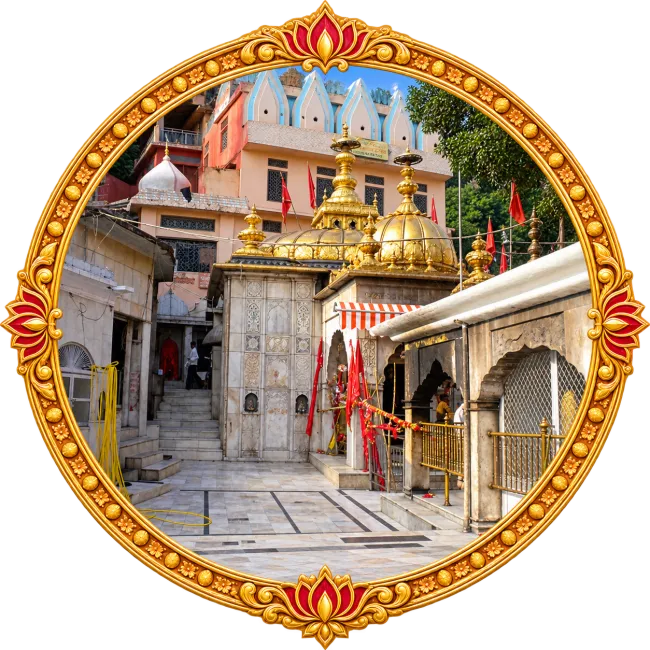
Jwala Devi Temple, Himachal Pradesh
Jwala Devi Temple, also known as Jwala Ji Temple or Jwalamukhi Temple, is one of the most revered Shakti shrines in India. Located in the Kangra district of Himachal Pradesh, the temple is famous for its naturally burning flames, which emerge continuously from cracks in the rocks inside the sanctum. These sacred flames are worshipped as manifestations of Goddess Jwala Devi.
Unlike most Hindu temples, the shrine does not contain a conventional stone or metal idol of the presiding deity. The eternal flames themselves represent the Goddess. Devotees visit the temple to seek protection, courage, prosperity and fulfilment of their wishes. The spiritual importance of the shrine, its ancient traditions and its location amid the hills of Himachal Pradesh make it an important pilgrimage destination.
About Jwala Devi Temple
Jwala Devi Temple is situated in the town of Jwalamukhi in Kangra district. The temple is dedicated to Jwala Devi, the flame manifestation of Goddess Durga. It is traditionally counted among the important Shakti Peethas of the Indian subcontinent.
The principal object of worship is a collection of natural flames emerging from the rock inside the sanctum. These flames continue to burn without any visible source of fuel. The largest and most prominent flame is worshipped as Mahakali, while the other flames are associated with different manifestations of the Divine Mother.
The nine sacred flames are traditionally associated with:
Mahakali
Annapurna
Chandi
Hinglaj
Vindhyavasini
Mahalakshmi
Saraswati
Ambika
Anjana Devi
The temple is also called Jwala Mukhi, which means “the Goddess with a flaming mouth.” Devotees believe that the flames embody the living presence of Shakti.
When Was Jwala Devi Temple Built and Who Built It?
The original shrine is ancient, and its precise construction date is not preserved in historical records. Raja Bhumi Chand of the Katoch dynasty discovered the sacred location and built the first organised temple over the natural flames.
Raja Bhumi Chand had heard traditional accounts about the presence of a sacred flame in the Kangra region. He searched for the site and eventually located the flames with the assistance of a local shepherd. After identifying the holy place, the king constructed a shrine and appointed priests to conduct regular worship.
The temple was subsequently renovated and supported by several rulers. Maharaja Ranjit Singh visited the shrine in the early 19th century and contributed to its development. He is traditionally credited with having the temple dome gilded. His son, Maharaja Kharak Singh, is associated with the silver work on the temple doors.
The present structure reflects multiple periods of construction and renovation rather than the work of one ruler alone. It combines local hill architecture with decorative influences associated with Hindu, Sikh and Mughal craftsmanship.
Mythology of Jwala Devi Temple
The origin of Jwala Devi Temple is connected with the story of Goddess Sati and Lord Shiva. Sati was the daughter of King Daksha and the wife of Lord Shiva.
King Daksha organised a grand yajna but deliberately did not invite Shiva and Sati. Sati nevertheless attended the ceremony, where Daksha insulted Lord Shiva. Unable to tolerate the humiliation of her husband, Sati entered the sacrificial fire and gave up her life.
Filled with grief and anger, Lord Shiva carried Sati’s body and began performing the destructive Tandava. To protect creation, Lord Vishnu used his Sudarshana Chakra to divide Sati’s body. The parts fell at different places, which became sacred Shakti Peethas.
It is believed that the tongue of Goddess Sati fell at Jwalamukhi. The eternal flames are therefore worshipped as her divine tongue and as manifestations of the Goddess’s spiritual power.
Legend of Emperor Akbar
A popular tradition associates the temple with Mughal emperor Akbar. Akbar heard about the sacred flames and wanted to test their divine nature. He ordered attempts to extinguish them, including covering the flames and directing water towards them.
Despite these efforts, the flames continued to burn. Akbar eventually accepted the sanctity of the shrine and offered a golden umbrella to the Goddess. Tradition says that the Goddess did not accept the offering, and the umbrella changed into an unidentified metal.
An object believed to be connected with this legend is preserved within the temple complex. The story represents the belief that the divine flames cannot be suppressed by human power.
Religious Significance
Jwala Devi Temple is especially important to followers of Shaktism, the Hindu tradition centred on the worship of the Divine Mother. The flames are regarded as visible expressions of cosmic energy.
Devotees pray here for:
Protection from difficulties
Courage and confidence
Good health
Prosperity and family welfare
Success in important work
Relief from fear and negative influences
Fulfilment of personal wishes
Spiritual strength and devotion
Many devotees offer prayers after a wish has been fulfilled. Families also visit the shrine for thanksgiving ceremonies, children’s first-hair rituals and other religious observances.
Architecture of Jwala Devi Temple
The temple stands on an elevated platform and is approached through a series of gateways and courtyards. Its white structure, gilded dome and decorative doors give it a distinctive appearance.
The sanctum is built over the natural rock fissures from which the flames emerge. A square pit-like structure encloses the principal flame. The interior contains silver decorations, bells, religious symbols and spaces designated for offerings.
The gilded dome associated with Maharaja Ranjit Singh is one of the most prominent architectural features. Silver-plated doors and ornamental work enhance the entrance to the sacred area.
The complex also contains smaller shrines, ritual spaces and facilities for pilgrims. The surrounding hills contribute to the temple’s peaceful spiritual atmosphere.
Jwala Devi Temple Timings
The temple follows separate summer and winter schedules. Timings may be specially regulated during Navratri, major festivals and days of heavy pilgrimage.
Summer Timings
Winter Timings
The temple’s published visitor schedule includes morning and evening worship periods, while festival arrangements may change queue movement and darshan access.
Morning Puja and Aarti
The day begins with Mangal Aarti, during which the priests open the sanctum and offer prayers before the sacred flames. The flames are ceremonially worshipped with incense, flowers, mantras and devotional hymns.
The Panjupchaar Puja follows the opening ritual. It includes traditional offerings representing fragrance, flowers, incense, light and food. Devotees may attend the morning ceremony from the designated darshan area.
Morning is one of the best times to visit because the atmosphere is peaceful and the flames can be observed clearly inside the sanctum.
Bhog Aarti
Bhog Aarti is performed before noon. Food offerings are presented to the Goddess and sacred hymns are recited. Queue movement may be temporarily restricted while the ritual is performed.
Evening Puja and Aarti
The evening Aarti is conducted after sunset. Lamps, incense and devotional songs form part of the ceremony. The contrast between the sacred flames and the dimly illuminated sanctum creates a powerful devotional experience.
The temple performs daily Aarti in the morning and evening as part of its established worship tradition. Seasonal schedules determine the precise time of the ceremonies.
Shayan Aarti
Shayan Aarti is the final worship ceremony of the day. During this ritual, the Goddess is offered prayers before the temple closes for the night. Traditional hymns are recited, and the day’s worship concludes in a peaceful manner.
Jwala Devi Temple is known for following a five-Aarti tradition comprising early morning, sunrise, midday, evening and bedtime worship.
Major Festivals
Chaitra Navratri
Chaitra Navratri is one of the largest festivals celebrated at the temple. The complex is decorated with flowers and lights, and thousands of devotees arrive for darshan during the nine sacred days.
Sharadiya Navratri
Sharadiya Navratri is celebrated with special Puja, devotional singing, havan and religious programmes. Crowd-control arrangements and extended darshan management are implemented during the festival.
Jwala Mukhi Fair
Religious fairs are organised during the Navratri periods. Pilgrims from Himachal Pradesh, Punjab, Haryana, Delhi, Jammu and other regions participate in the celebrations.
Durga Ashtami
Special worship is performed on Durga Ashtami. Devotees offer prayers to the Goddess and participate in Kanya Pujan and devotional ceremonies.
Puja, Sevas and Religious Ceremonies
Devotees can participate in different forms of worship according to temple arrangements. These may include:
General darshan
Special Puja
Havan
Durga Saptashati Path
Mata ki Chowki
Navratri Puja
Mundan ceremony
Family thanksgiving Puja
Offering of chunri and shringar
Donations for temple services
Special ceremonies should be arranged through the authorised temple office or designated counters. Pilgrims should avoid making payments to unauthorised individuals.
Offerings at Jwala Devi Temple
Common offerings include:
Red chunri
Flowers
Coconut
Dry fruits
Sweets
Sindoor
Bangles
Mata’s shringar items
Incense
Clarified butter
Monetary donations
Only permitted offerings should be carried into the main worship area. Devotees should follow instructions issued by the priests and temple administration.
Prasad
Prasad commonly includes mishri, dry fruits, coconut and sweets. Packaged prasad is available from authorised shops and counters near the temple.
A portion of the food offered during Bhog may also be distributed among devotees. Pilgrims should obtain prasad from recognised counters and maintain cleanliness in the temple complex.
Dress Code and Entry Rules
There is no rigid dress code, but visitors should wear clean, modest and comfortable clothing. Since the temple is located in a hill region, weather-appropriate clothes are recommended.
Visitors should observe the following rules:
Remove footwear before entering the temple.
Maintain silence near the sanctum.
Follow the designated queue.
Do not touch the sacred flames.
Avoid carrying leather articles into restricted areas.
Do not bring alcohol, tobacco or non-vegetarian food.
Follow photography restrictions.
Keep the temple premises clean.
Deposit donations only in official boxes or counters.
Follow security and temple staff instructions.
Entry Fee and Darshan Duration
General entry and darshan are free. Charges may apply to certain special Pujas, ritual services or offerings.
On regular weekdays, darshan may require 30–60 minutes. During Navratri, weekends and public holidays, waiting time can extend to several hours. Early morning is usually suitable for devotees seeking a quieter darshan.
Best Time to Visit
March to June and September to November are suitable periods for visiting Jwala Devi Temple. The weather is generally pleasant during these months.
Navratri offers the most vibrant devotional experience, but it also attracts the largest crowds. Pilgrims preferring a peaceful visit should choose a normal weekday outside festival periods.
Winters are cold but manageable with proper clothing. The monsoon brings heavy rain to parts of Himachal Pradesh, so visitors should check road and weather conditions before travelling.
How to Reach Jwala Devi Temple
By Air
Kangra Airport at Gaggal is the nearest airport. It is approximately 45–50 kilometres from Jwalamukhi. Taxis are available from the airport to the temple.
By Train
The nearest broad-gauge railway station is Pathankot. From Pathankot, travellers can continue by bus or taxi.
The nearest narrow-gauge station is Jwalamukhi Road. It is located away from the main temple town, and local transport is required to reach the shrine.
By Road
Jwalamukhi is connected by road with Dharamshala, Kangra, Chandigarh, Pathankot, Una, Hamirpur, Delhi and other cities. Himachal Road Transport Corporation buses, private buses and taxis operate on these routes.
Approximate road distances are:
Accommodation and Facilities
Hotels, guest houses, Dharamshalas and budget lodges are available in Jwalamukhi town. During Navratri and major holidays, accommodation should be reserved in advance.
Facilities near the temple include:
Drinking water
Toilets
Shoe-storage counters
Prasad shops
Restaurants and vegetarian food outlets
Parking areas
Medical assistance
Police and security posts
Dharamshalas
Public transport
Cloakroom facilities
Nearby Places to Visit
Bhairav Temple: A shrine associated with Bhairav, regarded as the guardian of the Shakti Peetha.
Gorakh Dibbi: A sacred site associated with Guru Gorakhnath.
Tara Devi Temple: A nearby shrine dedicated to the Goddess.
Nagini Mata Temple: A locally revered temple near Jwalamukhi.
Kangra Devi Temple: Another important Shakti shrine in Kangra district.
Chamunda Devi Temple: A major temple dedicated to Goddess Chamunda.
Chintpurni Temple: An important Shakti Peetha situated in Una district.
Dharamshala: A scenic hill destination known for monasteries and mountain views.
Kangra Fort: A significant historic fort associated with the Katoch dynasty.
Visitor Guidelines
Devotees should carry a valid identity document, comfortable footwear, essential medicines and clothes suitable for the season. Senior citizens and visitors with health conditions should avoid standing in long queues without rest.
During Navratri, pilgrims should follow official parking and queue arrangements. Donations, Puja bookings and ritual payments should be made only at authorised counters. Visitors must never attempt to touch or interfere with the natural flames.
Conclusion
Jwala Devi Temple is a distinctive Shakti shrine where the Divine Mother is worshipped in the form of eternal natural flames rather than a sculpted idol. Its association with the Shakti Peetha tradition, Raja Bhumi Chand, Emperor Akbar and Maharaja Ranjit Singh gives the temple deep mythological and historical importance.
The continuously burning flames, traditional five daily Aartis and peaceful Himalayan setting create a memorable spiritual experience. A visit to Jwala Devi Temple offers devotees an opportunity to witness a rare form of worship and seek the blessings of the Goddess for courage, protection and prosperity.