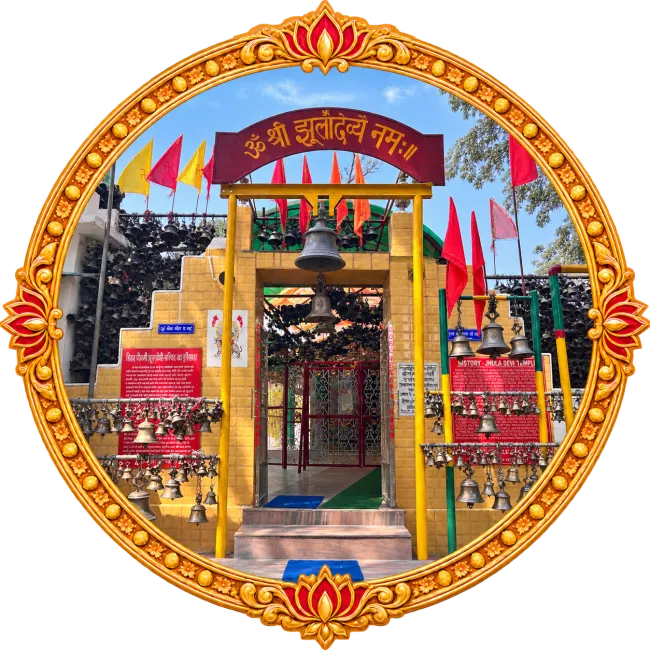
Jhula Devi Temple, Ranikhet
Visit Jhula Devi Temple in Ranikhet, a sacred shrine dedicated to Goddess Durga in Uttarakhand’s Kumaon region. Situated near Chaubatia, the temple is known for its deity seated on a swing and the numerous bells offered by devotees.
The name Jhula Devi means the goddess of the swing. Local traditions honour her as a protective mother who watches over the surrounding community. The temple’s forest setting, distinctive worship traditions and association with fulfilled prayers make it an important religious destination near Ranikhet.
About Jhula Devi Temple
Jhula Devi Temple, also spelt Jhoola Devi Temple, is situated on the road connecting Ranikhet with Chaubatia. The principal deity is Goddess Durga, worshipped here in her local form as Jhula Devi.
The goddess is represented seated on a swing or cradle, giving the shrine its name. Devotees visit with prayers for protection, family well-being and peace.
The many bells hanging throughout the premises are its most recognisable feature. They are offered as expressions of faith and gratitude, particularly when devotees believe their prayers have been answered.
History of Jhula Devi Temple
Local tradition regards Jhula Devi Temple as approximately 700 years old. Its origins are preserved primarily through the community’s stories about the goddess and her protection of the surrounding villages.
The present temple complex dates to 1935. This distinction separates the older worship tradition from the building visited today.
The original deity was reportedly stolen in 1959, an event remembered in accounts of the temple’s history. Worship nevertheless continued, and the shrine remains an important part of Ranikhet’s religious life.
Legend of the Shepherd and Goddess Durga
A popular local legend explains how the shrine came into existence.
The forests near Chaubatia were once associated with danger from wild animals. Villagers prayed to Goddess Durga for protection for their families and livestock.
According to the story, the goddess appeared in a shepherd’s dream and revealed the location of her buried image. The villagers excavated the indicated place and discovered the deity.
A shrine was established at the site, and the goddess came to be worshipped as the community’s protector.
This account belongs to the temple’s sacred oral tradition. It expresses the close relationship between village life, the surrounding forest and devotion to the Divine Mother.
Why Devotees Offer Bells
Offering bells is the temple’s best-known devotional custom.
Devotees pray to Jhula Devi and may return with a bell when they believe a wish has been fulfilled. The offering expresses gratitude and remembrance of the goddess.
Over time, these individual offerings have created the rows and clusters of bells that distinguish the temple.
For worshippers, each bell represents a personal relationship with the deity—a prayer, an important moment or thanks for support during difficulty.
Visitors may participate in this tradition, but offering a bell is voluntary. Simple darshan and sincere prayer are equally meaningful.
Religious Significance of Jhula Devi Temple
Jhula Devi is revered as a compassionate and protective form of Goddess Durga.
Her worship reflects the belief that divine strength can provide courage during uncertainty and encourage patience through difficult circumstances.
Devotees offer prayers for:
Protection and family well-being
Peace within the home
Courage to face challenges
Success in sincere efforts
Spiritual strength
Gratitude for blessings received
The temple also preserves a living Kumaoni tradition. Its significance lies in the continuing relationship between the goddess, local families and visiting devotees.
Main Deity of Jhula Devi Temple
The principal deity is Goddess Durga in the form of Jhula Devi, seated on a swing.
This representation gives the shrine a distinctive identity. Devotees approach the goddess as a caring mother while also honouring her protective power.
The sanctum is the centre of worship. Visitors should receive darshan without obstructing the entrance or interrupting ongoing rituals.
Architecture and Temple Surroundings
Jhula Devi Temple is a modest shrine whose strongest visual feature is the collection of hanging bells.
The main worship space is surrounded by areas where devotees have placed their offerings. Bells of different sizes create a distinctive setting around the approach and temple premises.
The forested surroundings contribute to the experience of visiting. The temple can be included in an outing towards Chaubatia, combining worship with time in Ranikhet’s hill landscape.
Visitors should leave existing bells undisturbed and use only designated places for new offerings.
Jhula Devi Temple Timings
The regular visiting schedule is 6:00 AM–7:00 PM.
Winter and festival arrangements may affect these hours.
Suggested morning visit: 7:00 AM–9:00 AM.
Suggested afternoon visit: 3:00 PM–5:00 PM.
These are suggested visiting periods for planning an outing, rather than separate temple sessions.
Morning Puja and Darshan
A morning visit allows devotees to offer prayers before continuing towards Chaubatia or other attractions in Ranikhet.
Keep offerings ready before approaching the sanctum and allow other visitors sufficient space for darshan.
A few moments of quiet prayer can form the centre of the visit. Devotees may also recite Durga prayers according to their family tradition.
Evening Worship
Evening offers another opportunity to visit the goddess and spend time in prayer.
Those arriving later in the day should allow enough time to complete darshan before closing. Arrange the return journey in advance, especially when staying outside Ranikhet.
During worship, keep phones silent and avoid moving through spaces being used for ceremonies.
Offerings at Jhula Devi Temple
The most distinctive offering is a bell, presented as an expression of devotion or gratitude.
Other simple offerings may include:
Fresh flowers
Fruit
Sweets
Coconut
A chunari
Present offerings in the designated area. Avoid attaching bells to fragile fixtures, trees or places where they could obstruct visitors.
Keep wrappers and other packaging separate from devotional materials, and dispose of them responsibly.
Festivals at Jhula Devi Temple
Chaitra Navratri
Chaitra Navratri is an important occasion for worshipping the Divine Mother. Devotees visit the shrine with prayers for protection, spiritual strength and family welfare.
Sharad Navratri
Sharad Navratri is another major period of worship at Jhula Devi Temple. The festival brings increased devotional activity and visits from people across the surrounding region.
Ashtami and Navami
Ashtami and Navami hold particular significance during Navratri. Devotees observe these days through prayer, fasting and offerings according to their traditions.
Navratri is the temple’s principal festival period, so visitors should allow additional time for darshan.
Best Time to Visit
Spring and autumn are suitable seasons for combining temple darshan with sightseeing in Ranikhet.
A morning visit works well when planning to continue towards Chaubatia. An afternoon visit allows time for worship before returning to town in daylight.
Carry warm clothing during winter. During rain, walk carefully on wet surfaces and allow extra time for the hill-road journey.
How to Reach Jhula Devi Temple
By Air
Pantnagar Airport is the principal nearby airport for reaching Ranikhet. The onward journey continues by road through the Kumaon hills.
By Train
Kathgodam Railway Station is the main railway gateway. From Kathgodam, travel by road towards Ranikhet.
By Road
Ranikhet is accessible through the road network connecting Haldwani, Kathgodam, Bhowali and the surrounding hill towns.
From Ranikhet, follow the road towards Chaubatia to reach Jhula Devi Temple.
Local Transport
A taxi is a convenient option for combining the temple with other places around Ranikhet. Keep additional time for local traffic and mountain-road conditions.
Nearby Places to Visit
Chaubatia Gardens: A nearby destination associated with orchards and hill scenery.
Mankameshwar Temple: Another religious stop in Ranikhet.
Haidakhan Babaji Temple: A separate spiritual excursion in the Ranikhet area.
Kumaon Regimental Centre Museum: A place to explore the region’s military heritage.
Ranikhet Town: Suitable for a walk and a look at local markets.
These places require varying travel times and should be planned as separate stops.
Important Visitor Guidelines
Wear modest clothing suitable for worship.
Remove footwear at the designated point.
Keep the sanctum approach clear.
Respect photography restrictions.
Leave existing bells and offerings undisturbed.
Use designated spaces when offering a bell.
Keep mobile phones silent during ceremonies.
Avoid littering the temple grounds or forest.
Carry warm clothing when visiting in colder weather.
Supervise children in crowded areas.
Plan your return journey before darkness.
Conclusion
Jhula Devi Temple combines devotion to Goddess Durga with one of Kumaon’s most distinctive bell-offering traditions.
Its deity seated on a swing, the shepherd’s legend and the continuing gratitude of devotees give the shrine a special place in Ranikhet’s religious heritage. A visit offers time for darshan and reflection amidst the hills near Chaubatia.