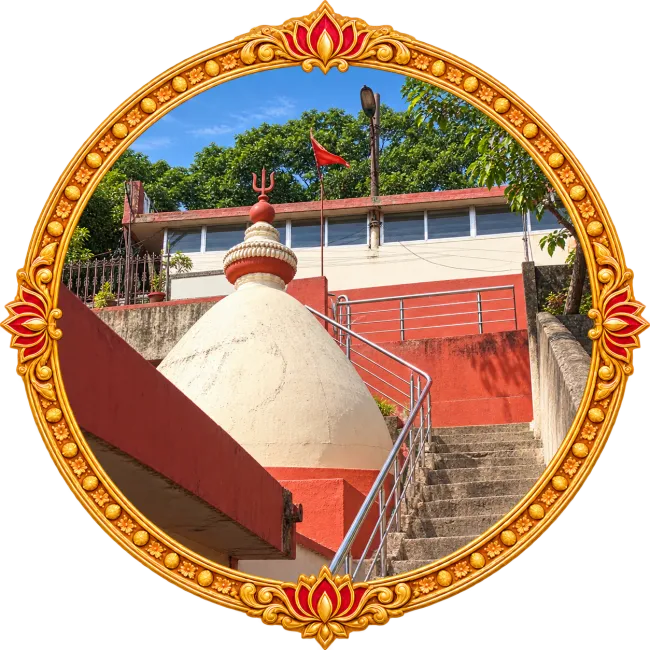
Dhumavati Temple, Guwahati, Assam
Visit Dhumavati Temple on Nilachal Hill in Guwahati, a sacred shrine dedicated to Goddess Dhumavati, one of the ten Mahavidyas. Connected with the Shakti worship traditions of Kamakhya, this temple represents the goddess as a source of wisdom, detachment and strength during difficult phases of life.
The shrine forms part of the religious landscape surrounding Kamakhya Temple. Its hillside setting and distinctive form of worship offer devotees an opportunity to explore another important aspect of Assam’s Shakta heritage.
About Dhumavati Temple
Dhumavati Temple is situated on the southern side of the Kamakhya sacred area on Nilachal Hill. Goddess Dhumavati is traditionally recognised as the seventh of the ten Mahavidyas, the divine wisdom forms of the Supreme Goddess.
The name Dhumavati is associated with dhuma, meaning smoke. In spiritual interpretation, smoke represents obscurity and the uncertainty that surrounds worldly existence. The goddess is revered for the wisdom that helps devotees look beyond appearances and develop inner understanding.
Her worship is closely connected with renunciation, acceptance and the recognition that material possessions and favourable circumstances are temporary. Devotees approach her with prayers for courage and steadiness during adversity.
History and Religious Background
Dhumavati Temple belongs to the Mahavidya worship tradition of Nilachal Hill. The hill contains shrines dedicated to different manifestations of the Divine Mother, together with several temples of Lord Shiva.
The presence of these shrines makes Nilachal a wider pilgrimage destination beyond the principal Kamakhya sanctum. Each goddess represents a particular aspect of divine power and spiritual understanding.
Dhumavati’s shrine has its place within this interconnected sacred landscape. Pilgrims visiting the Mahavidya temples encounter different expressions of Shakti, from nourishment and protection to transformation and detachment.
Main Deity of Dhumavati Temple
Goddess Dhumavati has a distinctive appearance in traditional religious imagery. She is portrayed as an elderly widow wearing simple, worn clothing, with an austere expression.
This representation carries symbolic meaning. It directs attention towards aspects of life that people often find difficult to accept, including ageing, loss and uncertainty. Her form invites devotees to seek spiritual understanding beyond beauty, wealth and social status.
These descriptions concern the goddess’s traditional iconography; they should not be confused with a description of a standing idol inside the Guwahati shrine.
Religious Significance of Dhumavati Temple
Dhumavati worship encourages reflection on the temporary nature of worldly life. In the Mahavidya tradition, difficult experiences can become occasions for deeper understanding rather than reasons to abandon spiritual practice.
Devotees pray to the goddess for:
Courage during periods of uncertainty.
Patience when facing personal difficulties.
Freedom from excessive attachment.
Clarity in spiritual life.
Strength to accept change.
Inner discipline and perseverance.
The goddess’s association with adversity expresses a religious understanding of resilience. Her blessings are sought through devotion, humility and reflection.
Architecture and Sacred Interior
The approach to Dhumavati Temple leads through a passage behind the main Kamakhya area and down a flight of steps. This change in level places the shrine within the natural slope of Nilachal Hill.
The temple has dark stone finishes, while the sanctum contains a recessed sacred space associated with water. Cloth and floral offerings mark the place of worship.
The relatively compact interior directs attention towards the sacred seat of the goddess. Its character differs from temples where a large sculpted image dominates the sanctum. The steps, enclosed worship space and water-associated sacred seat are important features of the visit.
Worship and Offerings
A visit can centre on darshan, a quiet prayer and respectful participation in the worship taking place. Flowers are among the offerings visible at the sacred seat.
For a simple devotional visit:
Offer prayers without obstructing the sanctum entrance.
Place offerings only in the designated area.
Keep packaging and other waste away from the sacred water.
Allow other devotees space to approach.
Avoid touching ritual objects without permission.
Specialised religious practices should be distinguished from an ordinary temple visit. Visitors can express devotion through a simple prayer without attempting unfamiliar rituals.
Festivals Connected with the Pilgrimage
Ambubachi
Ambubachi is one of the most important religious occasions associated with Kamakhya. Observed during the monsoon, it honours the goddess’s creative power and the fertility of the earth.
The festival brings large numbers of devotees and spiritual practitioners to Nilachal Hill. A journey to Dhumavati Temple during this period takes place within a much busier pilgrimage environment.
Durga Puja
Durga Puja is another significant observance at Kamakhya. Worship follows the temple’s established traditions and gives particular importance to the Divine Mother.
These celebrations belong to the wider Kamakhya religious calendar. They provide the festival setting for a pilgrimage around Nilachal Hill without implying an identical ritual programme at every subsidiary shrine.
How to Reach Dhumavati Temple
By Air
Lokpriya Gopinath Bordoloi International Airport serves Guwahati. From the airport, visitors can travel by taxi towards the Kamakhya temple area on Nilachal Hill.
By Train
Kamakhya Railway Station is the nearest railway station for the Kamakhya pilgrimage area. Guwahati Railway Station is another major arrival point with connections to many Indian cities.
Local transport is available for the onward journey to Nilachal Hill.
By Road
Guwahati is connected by road with other parts of Assam and neighbouring states. Visitors arriving at the city’s bus terminals can continue towards Kamakhya by local transport or taxi.
Reaching the Shrine on Foot
After reaching the main Kamakhya area, the final approach to Dhumavati Temple involves walking through the surrounding passages and descending steps. Visitors with limited mobility should account for this stepped approach when planning the visit.
Nearby Temples to Visit
Dhumavati Temple can be included in a pilgrimage to other shrines on Nilachal Hill.
These shrines occupy different parts of the hill. Exploring them involves a combination of walking, steps and travel along the hill roads.
Important Visitor Guidelines
Wear modest clothing suitable for a place of worship.
Remove footwear before entering the designated sacred area.
Walk carefully on the steps, particularly when surfaces are wet.
Help children and elderly companions on the descent.
Keep your phone silent during worship.
Respect photography restrictions inside the temple.
Avoid blocking narrow passages while taking photographs.
Do not leave plastic bags, food packets or discarded offerings on the hillside.
Respect other devotees and give them space for prayer.
Carry only what you can comfortably manage on the stepped approach.
Conclusion
Dhumavati Temple introduces devotees to a distinctive form of the Divine Mother within the sacred landscape of Nilachal Hill. Its association with wisdom, detachment and perseverance gives the shrine a particular place in Mahavidya worship.
A visit offers an opportunity to reflect on life’s changes, offer prayers with humility and appreciate the diversity of Shakti traditions surrounding Kamakhya.