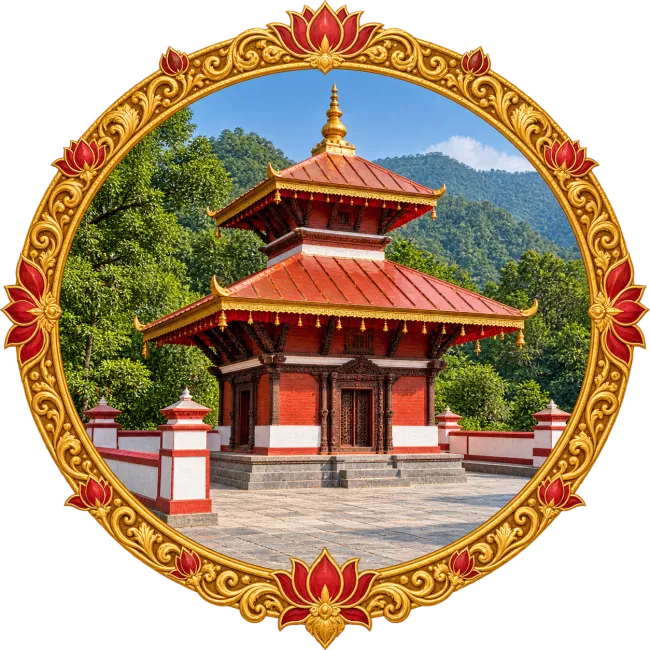
Dantakali Temple, Dharan, Nepal
Visit Dantakali Temple in Dharan, one of eastern Nepal’s most revered Shakti temples. Located on Vijayapur Hill, the temple is associated with Goddess Sati and is worshipped as an important Shakti Peeth. According to religious belief, the teeth of Goddess Sati fell at this location, giving the shrine its name—Dantakali.
The temple is surrounded by green hills and several other sacred sites, including Pindeshwar Temple, Budha Subba Temple and Panchakanya Temple. Devotees visit Dantakali to pray for protection, courage, family prosperity and freedom from negative influences.
About Dantakali Temple
Dantakali Temple is located in the historic Vijayapur area of Dharan in Sunsari district, Koshi Province, Nepal. It stands on an elevated and peaceful location overlooking parts of Dharan and the surrounding landscape.
The presiding deity is Goddess Dantakali, a powerful manifestation of Goddess Kali and Adi Shakti.
The name Dantakali is formed from:
- Danta, meaning tooth
- Kali, referring to the fierce and protective form of the Divine Mother
The temple is believed to mark the sacred place where a tooth of Goddess Sati fell. Devotees therefore regard it as a spiritually powerful Shakti Peeth.
Dantakali is especially crowded on Tuesdays, Saturdays, Ashtami dates and during the festivals of Navratri and Dashain.
History of Dantakali Temple
Dantakali Temple is an ancient Shakti shrine connected with the religious history of the Vijayapur region. The area was once an important political and cultural centre in eastern Nepal.
Worship at the sacred site developed through local Shakti traditions. The temple later received support from the Sen rulers who governed the Vijayapur Kingdom.
The Sen rulers worshipped Hindu deities and contributed to the development of temples throughout the region. Dantakali became an important royal and community shrine where prayers were performed for protection, victory and prosperity.
The temple was renovated and reconstructed several times because of age, earthquakes and changing requirements of pilgrims. The present complex includes the principal shrine, a paved courtyard, smaller worship areas and facilities for devotees.
Although the structure has changed over time, the temple’s identity as a Shakti Peeth and sacred place of Goddess Kali has remained unchanged.
Shakti Peeth Story of Dantakali Temple
The religious origin of Dantakali Temple is associated with Goddess Sati and Lord Shiva.
Goddess Sati was the daughter of King Daksha and the first consort of Lord Shiva. King Daksha disapproved of Sati’s marriage and organized a grand Yajna without inviting Shiva and Sati.
Sati attended the ceremony but was deeply hurt when her father insulted Lord Shiva. Unable to tolerate the disrespect shown towards her husband, she gave up her body in the sacred fire.
Lord Shiva became overwhelmed with grief and anger. He lifted Sati’s body and wandered across the universe while performing the destructive Tandava.
To protect creation, Lord Vishnu used his Sudarshana Chakra to divide Sati’s body into different parts. The places where the body parts fell became sacred Shakti Peeths.
According to the tradition of Dantakali Temple, the teeth of Goddess Sati fell on Vijayapur Hill. The place therefore became known as Dantakali, and the goddess was worshipped as the divine protector of the region.
Religious Significance of Dantakali Temple
Dantakali Temple represents the fierce but compassionate power of the Divine Mother. Goddess Dantakali is believed to destroy evil, remove fear and protect her devotees from negative influences.
The temple is important for people undertaking the sacred Vijayapur pilgrimage. Devotees often visit Dantakali together with Pindeshwar Mahadev, Budha Subba and Panchakanya Temple.
People worship Goddess Dantakali for:
- Protection from negative forces
- Courage and confidence
- Family peace and prosperity
- Recovery from illness
- Blessings for marriage
- Health and well-being of children
- Success in business and employment
- Victory over enemies
- Removal of obstacles
- Protection during travel
- Fulfilment of sincere wishes
- Spiritual strength
Many devotees return to offer thanks after their prayer or wish has been fulfilled.
Main Deity of Dantakali Temple
The principal deity is Goddess Dantakali, worshipped as a manifestation of Kali and Durga.
The sacred representation of the goddess is installed inside the main sanctum and decorated with:
- Red cloth
- Vermilion
- Red flowers
- Garlands
- Traditional jewellery
- Sacred ornaments
- Oil lamps
- Metal decorations
Red is the principal colour used in worship because it symbolizes Shakti, courage, divine energy and protection.
Smaller images and symbols associated with Lord Shiva, Bhairav, Lord Ganesha and other deities can also be seen within the temple complex.
Bhairav of Dantakali Shakti Peeth
Every Shakti Peeth is traditionally protected by a form of Lord Shiva known as Bhairav.
At Dantakali, Bhairav represents the protective and powerful aspect of Shiva accompanying Goddess Shakti. Devotees may offer prayers to Bhairav after receiving darshan of Goddess Dantakali.
The combined worship of Shakti and Bhairav symbolizes the inseparable relationship between divine energy and consciousness.
Architecture of Dantakali Temple
Dantakali Temple reflects traditional Nepalese religious architecture. The main shrine stands within a peaceful courtyard on Vijayapur Hill.
Important architectural features include:
- Traditional pagoda-style shrine
- Decorated roof and metal pinnacle
- Carved wooden doors and supports
- Sacred image of Goddess Dantakali
- Stone-paved courtyard
- Prayer bells
- Oil-lamp stands
- Tridents and Shakti symbols
- Smaller shrines dedicated to associated deities
- Designated space for traditional rituals
The hilltop location and surrounding greenery create a calm spiritual atmosphere. The temple bells and devotional chanting can be heard throughout the complex during Puja and Aarti.
Dantakali Temple Timings
The temple may follow extended timings during Navratri, Dashain, Chaite Dashain and Kali Puja.
Tuesdays and Saturdays experience greater crowds, so devotees should arrive early.
Morning Puja and Aarti
Morning worship begins at 6:00 AM. The priests clean and prepare the sanctum before decorating Goddess Dantakali with flowers, red cloth and ornaments.
Morning Aarti is performed at 6:30 AM. The goddess is worshipped with:
- Red flowers
- Vermilion
- Incense
- Oil lamps
- Sacred water
- Rice and grains
- Fruits and sweets
- Red cloth
- Shakti mantras
The period between 6:30 AM and 9:00 AM is suitable for peaceful darshan on regular weekdays.
Special Puja
Special pujas are generally arranged between 7:00 AM and 11:00 AM. Devotees may perform these ceremonies for family peace, marriage, children, health and fulfilment of wishes.
Special Shakti Puja may include:
- Sankalp
- Kalash Sthapana
- Durga Mantra recitation
- Kumkum Archana
- Flower offerings
- Lighting of lamps
- Bhog offering
- Distribution of prasad
Special ceremonies should be arranged through authorized temple priests.
Bhog and Afternoon Darshan
Bhog is offered to Goddess Dantakali at 12:00 PM. The offering may contain rice, fruits, sweets and other vegetarian preparations.
Afternoon darshan continues after the Bhog ritual. This period is generally less crowded on ordinary weekdays.
Visitors planning to see other temples of Vijayapur can continue towards Pindeshwar, Budha Subba and Panchakanya after receiving darshan.
Evening Puja and Aarti
Evening Puja begins at 5:30 PM, followed by Aarti at 6:00 PM.
Oil lamps are offered before Goddess Dantakali while devotees sing bhajans and recite Durga and Kali prayers. The temple courtyard becomes peaceful as the sound of bells and devotional chanting fills the hilltop.
Visitors should arrive before 5:30 PM to attend the complete evening ceremony. The temple closes at 7:00 PM.
Bali Puja at Dantakali Temple
Dantakali Temple follows traditional Shakti worship practices. Bali Puja may be performed on Tuesdays, Saturdays and important festival days.
Some devotees offer goats or roosters after the fulfilment of a religious promise. These rituals take place only within the designated area.
Animal sacrifice is not compulsory. Devotees preferring vegetarian worship may offer:
- Coconut
- Pumpkin
- Fruits
- Sweets
- Red flowers
- Red cloth
- Vermilion
- Incense
- Oil lamps
Visitors who do not wish to witness Bali Puja should visit on Monday, Wednesday, Thursday or Friday.
Major Festivals Celebrated
Dashain
Dashain is the largest festival celebrated at Dantakali Temple. Goddess Dantakali is worshipped as a powerful form of Durga.
Special rituals are conducted during:
- Ghatasthapana
- Phulpati
- Maha Ashtami
- Maha Navami
- Vijayadashami
Thousands of devotees from Dharan and nearby regions visit the temple during the festival.
Sharadiya Navratri
The nine forms of Goddess Durga are worshipped throughout Navratri. Devotees observe fasting and offer flowers, lamps and red cloth.
Chaite Dashain
Chaite Dashain is another major occasion for Shakti worship. Special Puja and Aarti are performed.
Kali Puja
The goddess is worshipped with lamps, flowers and special mantras during Kali Puja.
Teej
Women visit Dantakali Temple during Teej to pray for marital happiness, family prosperity and the well-being of their spouses.
Ashtami
Every Ashtami is considered auspicious for worshipping the goddess. Special offerings and prayers may be arranged.
Tuesdays and Saturdays
Tuesday and Saturday are the principal weekly worship days. Long queues may form from early morning.
Offerings and Prasad
Common offerings made to Goddess Dantakali include:
- Red hibiscus flowers
- Marigold garlands
- Red chunari
- Vermilion
- Bangles
- Cosmetic items
- Fruits and sweets
- Coconut
- Rice and grains
- Incense sticks
- Oil or ghee lamps
- Sacred red threads
- Bells and tridents
- Monetary donations
Women may offer traditional Shringar items while praying for marriage and family well-being.
Prasad may include fruits, sweets, flowers, vermilion and blessed sacred threads.
Entry Fee and Visit Duration
There is no entry fee for regular darshan at Dantakali Temple. Charges may apply for special Puja, ritual materials and priest-led ceremonies.
A regular visit requires one to two hours. A complete pilgrimage covering Dantakali, Pindeshwar, Budha Subba and Panchakanya may require four to five hours.
During Navratri and Dashain, additional time is needed because of long queues.
Visitor Guidelines
- Wear modest and respectful clothing.
- Remove footwear before entering the main temple.
- Follow the designated darshan queue.
- Maintain silence during Puja and Aarti.
- Ask permission before photographing the sanctum.
- Do not photograph traditional rituals without consent.
- Keep mobile phones on silent mode.
- Use authorized counters for donations and special pujas.
- Do not carry alcohol, tobacco or non-vegetarian food into the worship area.
- Keep the hill and temple courtyard clean.
- Respect devotees following different worship practices.
- Walk carefully on wet steps during rain.
- Keep children under supervision during crowded festivals.
- Follow instructions from priests and temple officials.
Best Time to Visit
October to March is the best period for visiting Dantakali Temple because Dharan experiences pleasant weather.
Navratri and Dashain offer a vibrant religious experience, but the temple remains heavily crowded.
For peaceful darshan, visit between 6:30 AM and 9:00 AM on Monday, Wednesday, Thursday or Friday.
Visitors interested in traditional Shakti worship may visit on Tuesday or Saturday.
How to Reach Dantakali Temple
By Air
Biratnagar Airport is the nearest major airport. It is approximately 40 kilometres from Dharan.
Taxis, buses and private vehicles are available from Biratnagar to Dharan.
From Dharan City
Dantakali Temple is located in the Vijayapur area, a short drive from central Dharan. Taxis, auto-rickshaws and local vehicles are available.
By Road from Kathmandu
Dharan is connected with Kathmandu through highways passing across eastern Nepal. Long-distance buses and private vehicles operate between Kathmandu and Dharan.
From Biratnagar
Regular buses, shared jeeps and taxis connect Biratnagar with Dharan. The road journey normally takes one to two hours.
From India
Indian visitors can enter Nepal through the Jogbani–Biratnagar border. Dharan is easily accessible from Biratnagar by bus, taxi or private vehicle.
Visitors travelling from West Bengal can also use the Panitanki–Kakarbhitta border and continue towards Dharan.
Indian citizens should carry a valid passport or voter identity card and confirm transportation requirements before departure.
Nearby Places to Visit
Pindeshwar Mahadev Temple
An important Shiva temple in Vijayapur, famous for its religious fairs and Shravan worship.
Budha Subba Temple
A sacred site associated with indigenous Kirati traditions and wish-fulfilling bamboo plants.
Panchakanya Temple
A peaceful temple dedicated to the five divine maidens.
Vijayapur Hill
A historic and religious area containing several important temples.
Bhedetar
A popular hill station known for cool weather and panoramic views.
Namaste Waterfall
A scenic waterfall situated near Bhedetar.
Baraha Kshetra
An important Lord Vishnu pilgrimage destination near the confluence of the Koshi and Koka rivers.
Dharan Clock Tower
A well-known landmark located in central Dharan.
Conclusion
Dantakali Temple is one of eastern Nepal’s most important Shakti shrines. Its association with the teeth of Goddess Sati gives the temple a special place within the Shakti Peeth tradition.
The shrine’s ancient history, connection with the Vijayapur Kingdom, hilltop setting and powerful worship of Goddess Kali make it an important pilgrimage destination. Morning Puja, evening Aarti and the grand celebrations of Navratri and Dashain provide devotees with a meaningful spiritual experience.
A visit to Dantakali Temple offers courage, protection and an opportunity to experience the shared religious and cultural heritage of the historic Vijayapur area.