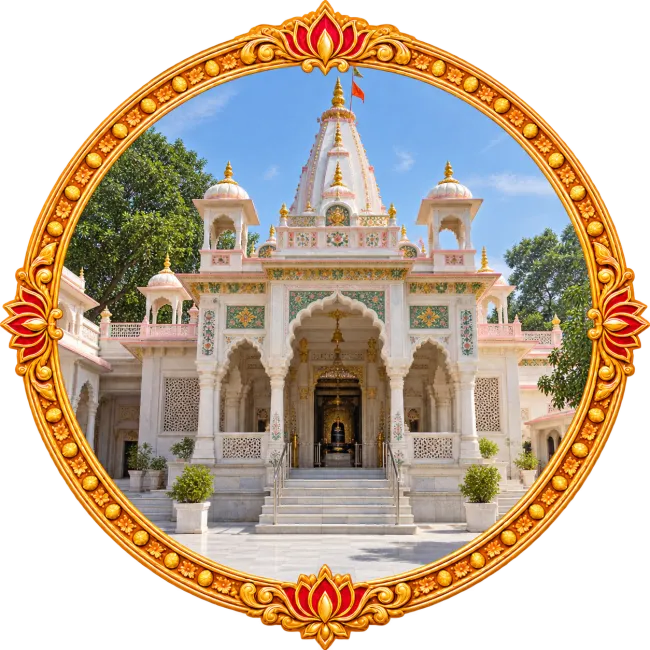
Daksha Mahadev Temple, Kankhal
Visit Daksha Mahadev Temple in Kankhal, Haridwar, a sacred shrine dedicated to Lord Shiva and associated with Goddess Sati and King Daksha Prajapati. Also known as Daksheshwar Mahadev Temple, it holds an important place in the religious heritage of Uttarakhand.
The temple is closely connected with the legendary Daksha Yajna, a significant narrative in Hindu tradition. Devotees visit to worship Lord Shiva, offer jalabhishek, and reflect on the themes of devotion, humility, and forgiveness associated with this sacred place. Its riverside setting and connection with Kankhal’s other religious landmarks make it a meaningful destination during a Haridwar pilgrimage.
About Daksha Mahadev Temple
Daksha Mahadev Temple is situated in Kankhal, a historic religious locality of Haridwar. The shrine is named after King Daksha Prajapati, the father of Goddess Sati, while its presiding deity is Lord Shiva, worshipped as Daksheshwar Mahadev.
The temple was built by Queen Dhankaur in 1810 and rebuilt in 1962. These dates relate to the temple building; the sacred traditions associated with the site are much older.
The main sanctum houses a Shiva Lingam. Devotees offer prayers to Lord Shiva and remember the events associated with Daksha’s sacrifice. The temple attracts particular attention during Maha Shivratri and the holy month of Shravan, when Shiva worship holds special importance.
For visitors exploring Haridwar, the shrine offers an opportunity to understand the relationship between pilgrimage, mythology, and the religious life of Kankhal.
History of Daksha Mahadev Temple
Daksha Mahadev Temple brings together a longstanding sacred tradition and the history of royal patronage. Queen Dhankaur’s construction of the temple in the nineteenth century helped preserve an established place of religious importance.
The rebuilding in 1962 forms another chapter in the shrine’s architectural history. Through these changes, the temple continued to serve as a place of worship associated with Lord Shiva and Goddess Sati.
The building’s history and the religious narrative of the site should be understood separately. The construction dates describe the physical temple, while the story of Daksha Yajna explains the location’s spiritual significance.
This combination makes the temple important both to devotees and to visitors interested in the cultural heritage of Haridwar.
Legend of Daksha Yajna
According to Hindu tradition, King Daksha organised a great yajna but deliberately excluded Lord Shiva. Goddess Sati, Daksha’s daughter and Shiva’s consort, attended the ceremony despite the absence of an invitation to her husband.
During the gathering, Daksha insulted Lord Shiva. Deeply distressed by her father’s conduct, Sati gave up her life. Upon learning what had happened, Shiva became furious and sent Virabhadra to the sacrifice.
Virabhadra destroyed the yajna and beheaded Daksha. The narrative continues with Lord Shiva eventually restoring Daksha to life with a goat’s head. Daksha recognised his wrongdoing and bowed before Shiva.
For devotees, the story carries a warning against arrogance and disrespect. Its conclusion also expresses the importance of forgiveness, repentance, and reconciliation.
Religious Significance of Daksha Mahadev Temple
Devotion to Lord Shiva
The temple is an important place for Shiva worship in Haridwar. Devotees visit for darshan and offer prayers with faith, gratitude, and personal intentions.
Association with Goddess Sati
The connection with Goddess Sati gives the shrine significance for devotees of the Divine Mother as well. Her story forms an essential part of the temple’s religious identity.
Teachings of Humility and Forgiveness
The Daksha Yajna narrative invites reflection on the consequences of pride. Shiva’s eventual forgiveness reminds worshippers of the value of acknowledging mistakes and restoring harmony.
Kankhal’s Sacred Heritage
The temple forms part of Kankhal’s wider religious setting, which includes shrines, ashrams, and ghats. A visit provides an opportunity to explore this aspect of Haridwar beyond its best-known riverfront landmarks.
Architecture of Daksha Mahadev Temple
The temple’s central feature is the sanctum containing the Shiva Lingam. Its architectural form follows the North Indian temple tradition, with a rising shikhara marking the sacred worship space.
The precinct includes a yajna kund associated with the story of Daksha’s sacrifice. Depictions of the narrative help visitors connect the temple’s physical spaces with its religious traditions.
A sacred banyan tree is another notable feature of the surroundings. Additional shrines within and beside the complex contribute to its devotional character.
The nearby Daksha Ghat connects the temple with the Ganga. Visitors can appreciate the relationship between the shrine and its riverside setting while respecting the rituals taking place.
Daksha Mahadev Temple Timings
Note: These visiting hours have not been confirmed by the temple administration. Festival arrangements may differ.
Puja and Offerings at Daksha Mahadev Temple
Offering water to the Shiva Lingam is an established devotional practice at the temple. Jalabhishek expresses reverence for Lord Shiva and is an important part of many devotees’ visits.
During worship, follow the temple’s arrangements for approaching the sanctum and making offerings. Keep the entrance clear so that other devotees can complete their darshan.
Visitors may also spend time in silent prayer or softly chant “Om Namah Shivaya” without disturbing ongoing ceremonies. A meaningful visit does not depend on elaborate offerings; respectful participation and sincere devotion remain central.
Handle prasad carefully and dispose of packaging responsibly. Flowers, food, plastic bags, and containers should not be left in the courtyard or thrown into the river.
Festivals at Daksha Mahadev Temple
Maha Shivratri
Maha Shivratri is one of the principal occasions for worship at Daksha Mahadev Temple. Devotees gather to offer prayers to Lord Shiva, and the temple experiences a considerable increase in visitors.
Those attending during the festival should allow additional time for queues and follow the designated routes through the complex.
Shravan Month
Shravan is another important period at the temple. The month is closely associated with Shiva devotion, and many pilgrims visit to offer water and prayers.
The devotional atmosphere during this period differs from an ordinary day, with heavier crowds and greater activity in the surrounding area.
Navratri
The neighbouring Das Mahavidya shrine is associated with special worship during Navratri. This adds to the complex’s significance for devotees of the Divine Mother.
How to Reach Daksha Mahadev Temple
By Train
Haridwar Junction is the main railway arrival point for visitors travelling to Kankhal. From the station, continue by local transport to Daksheshwar Mahadev Temple.
Use the temple’s full name when arranging the journey to avoid confusion with other Shiva temples in Haridwar.
By Road
Travel to Haridwar and continue towards Kankhal. Local transport provides access to the temple area, making it possible to include the shrine in a wider Haridwar itinerary.
During major festivals, allow extra time for traffic and walking from the permitted drop-off point.
By Air
Jolly Grant Airport near Dehradun serves visitors arriving by air. Continue by road towards Haridwar and Kankhal, leaving sufficient time between flight arrival and any planned religious activities.
Other Places to Visit in Kankhal
Daksha Ghat
Located beside the temple, Daksha Ghat forms part of its riverside setting. Visitors should follow safety instructions and take care on wet steps.
Sati Kund
Sati Kund is another sacred location in Kankhal associated with Goddess Sati. It is a separate landmark and should not be confused with the yajna kund within the temple precinct.
Anandamayi Ma Ashram
Anandamayi Ma Ashram houses her samadhi shrine and offers another important stop for visitors interested in Kankhal’s spiritual heritage.
Tips for Visiting Daksha Mahadev Temple
Wear modest clothing and remove footwear at the designated place.
Respect the arrangements for entering the sanctum and making offerings.
Avoid loud conversations during worship.
Seek permission before photographing the deity or ceremonies.
Keep children close in crowded areas and near riverside steps.
Carry drinking water and avoid littering.
Allow additional travel time during Shravan and Maha Shivratri.
Keep personal belongings secure and pathways clear.
Conclusion
Daksha Mahadev Temple in Kankhal combines devotion to Lord Shiva with the sacred narrative of Goddess Sati and King Daksha. Its history, ritual spaces, and riverside setting make it an important part of Haridwar’s religious heritage.
Whether visited independently or alongside Kankhal’s other sacred places, the temple offers devotees an opportunity to pray and reflect on the enduring themes of humility, faith, and forgiveness.