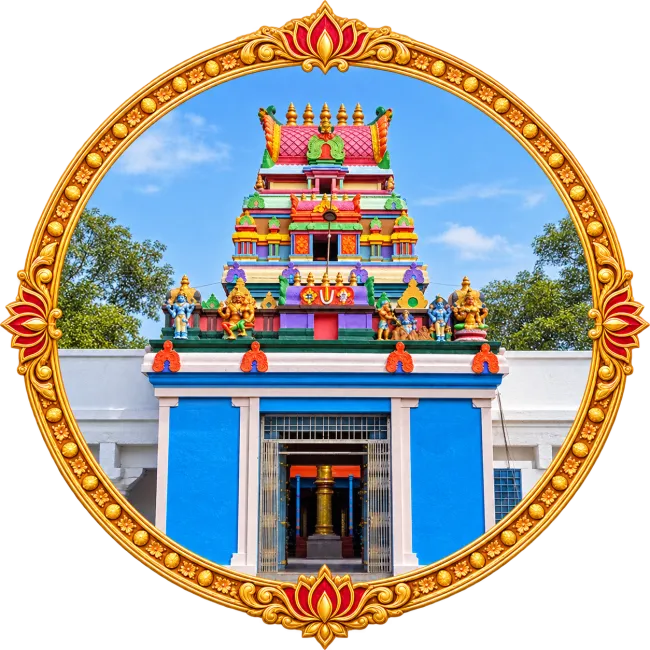
Chilkur Balaji Temple, Hyderabad
Chilkur Balaji Temple near Hyderabad is one of Telangana’s most popular temples dedicated to Lord Venkateswara. Situated in Chilkur village near Osman Sagar Lake, the temple is widely known as “Visa Balaji Temple” because many students and professionals visit to pray for success in overseas education, employment and visa applications.
The temple is distinguished by its simple and equal system of worship. It does not maintain a Hundi for monetary donations, does not offer paid VIP darshan and does not provide privileged access based on status. Every devotee joins the same queue and receives darshan in the same manner.
About Chilkur Balaji Temple
Chilkur Balaji Temple is dedicated to Lord Venkateswara, a form of Lord Vishnu. Goddess Lakshmi is worshipped as the divine consort of the Lord.
The temple is located approximately 25 kilometres from central Hyderabad. Its peaceful setting, compact architecture and distinctive Pradakshina tradition attract devotees throughout the week.
Chilkur Balaji is especially known for:
Visa and overseas-travel prayers
Eleven Pradakshinas while making a wish
One hundred and eight Pradakshinas after fulfilment
No Hundi
No paid VIP darshan
Equal treatment of devotees
Simple worship without commercial pressure
Ancient association with Lord Venkateswara
The temple priests also guide devotees through devotional chants during circumambulation.
When and Who Built Chilkur Balaji Temple?
Chilkur Balaji Temple is considered an ancient shrine with a history extending back several centuries.
The temple’s present development is associated with the period of the Qutb Shahi rulers of Golconda. Akkanna and Madanna, influential administrators during the reign of Abul Hasan Tana Shah in the seventeenth century, are traditionally connected with the temple’s patronage and renovation.
Akkanna and Madanna were also related to Kancharla Gopanna, known as Bhakta Ramadasu, who constructed the Bhadrachalam Rama Temple.
Local devotees and priestly families maintained the shrine through later periods. The temple preserved its compact form and traditional worship instead of being transformed into a large commercial pilgrimage complex.
Legend Behind the Temple
According to tradition, a devoted follower of Lord Venkateswara visited Tirumala every year.
As he grew older or became unwell, he was unable to continue the difficult pilgrimage. Deeply saddened, he prayed to Lord Venkateswara.
The Lord appeared in his dream and instructed him to search for the divine presence in a forest near Chilkur. He was told that there was no need to travel to Tirumala because the Lord was present nearby.
The devotee searched the indicated location and discovered a sacred image within an anthill.
While clearing the earth, a tool accidentally struck the image, and blood appeared. A divine voice instructed the devotee to bathe the area with milk.
After the milk offering, the complete form of Lord Venkateswara with his consorts was revealed. A shrine was then established at the sacred location.
Why Is It Called Visa Balaji Temple?
The title “Visa Balaji” developed because students and professionals began visiting Chilkur to pray for approval of visa applications.
Many devotees returned after receiving their visas and completed 108 Pradakshinas as an expression of gratitude.
The temple consequently became popular among people seeking:
Student visas
Overseas employment
International travel approval
Admission to foreign universities
Success in interviews
Professional opportunities abroad
However, Lord Balaji is not worshipped only for visas. Devotees also pray for health, marriage, children, education, employment and family welfare.
Prayer may provide emotional strength, but applicants must still complete all legal documentation and official visa requirements accurately.
Eleven and 108 Pradakshina Tradition
The Pradakshina tradition is one of the temple’s most distinctive practices.
Eleven Pradakshinas
A devotee initially performs eleven circumambulations while making a sincere wish.
The person is expected to pray with concentration and remember the promise to return after fulfilment.
One Hundred and Eight Pradakshinas
After the wish is fulfilled, the devotee returns and performs 108 circumambulations as an expression of gratitude.
The temple priests lead devotional chants and encourage devotees to remain focused on Lord Venkateswara.
The 108 rounds can require considerable physical effort. Elderly people, pregnant women and those with heart, breathing, joint or mobility conditions should not overexert themselves.
Devotees may seek guidance from the temple before beginning the full circumambulation.
No Hundi Tradition
Chilkur Balaji Temple does not maintain a traditional Hundi for collecting cash donations.
The system was preserved to keep worship focused on devotion rather than money. Devotees are encouraged to offer prayers, discipline and gratitude.
Visitors should not hand money to unauthorised individuals. If any approved service or charitable contribution is available, it should be handled only through the authorised temple administration.
No VIP Darshan
The temple does not provide paid VIP darshan or separate access based on influence, wealth or official position.
All devotees use the same darshan arrangement. This policy represents equality before God and allows the temple to preserve its simple spiritual identity.
Senior citizens and people with disabilities may seek guidance regarding practical assistance, but this is different from paid privilege.
Religious Significance
Lord Venkateswara is worshipped as the protector of devotees during Kali Yuga. He represents compassion, prosperity and divine guidance.
People visit Chilkur to pray for:
Visa approval
Overseas education
International employment
Success in interviews
Academic progress
Professional growth
Marriage and marital harmony
Blessings for children
Good health
Family peace
Financial stability
Relief from repeated obstacles
Saturdays, Ekadashi and Vaikuntha Ekadashi are considered especially auspicious.
Main Deity and Other Shrines
Lord Venkateswara
Lord Venkateswara is the principal deity. He is decorated with flowers, Tulasi garlands, silk garments and traditional ornaments.
Goddess Sridevi and Bhudevi
The divine consorts of Lord Vishnu represent prosperity, compassion and the sustaining power of the earth.
Lord Hanuman
Hanuman is worshipped for courage, devotion and protection.
Other deities and sacred figures may include:
Lord Ganesha
Garuda
Alwar saints
Sri Ramanujacharya
Vishvaksena
Guardian deities
The principal focus remains on Lord Balaji and the Pradakshina path surrounding the sanctum.
Architecture of Chilkur Balaji Temple
The temple follows a modest South Indian architectural style. It is smaller and less ornate than Tirumala or other large Venkateswara temples.
Main Sanctum
The sanctum houses Lord Venkateswara and his divine consorts. Traditional lamps and floral decorations create a peaceful atmosphere.
Pradakshina Path
The circumambulation path is one of the temple’s most important functional areas. It is designed to accommodate devotees performing eleven or 108 rounds.
Entrance Structure
The temple entrance displays Vaishnavite symbols and traditional decorative elements.
Courtyard
The courtyard provides space for devotees to queue, pray and prepare for Pradakshina.
The temple’s simplicity supports its emphasis on devotion, equality and disciplined prayer.
Chilkur Balaji Temple Timings
The regular daily schedule is:
Timings may be extended or reorganised during Vaikuntha Ekadashi, Brahmotsavam and other important festival days.
Morning Puja and Aarti
The temple opens at 6:00 AM with Suprabhata Seva.
Morning Archana and Alankaram are performed from 6:15 AM to 6:45 AM. The deity is decorated with flowers, Tulasi garlands and traditional ornaments.
Morning Aarti and Deepa Aradhana are conducted at 6:45 AM.
The best morning darshan period is from 6:30 AM to 9:00 AM. Devotees planning 108 Pradakshinas should begin in the morning to avoid heat and heavy crowds.
Madhyahna Puja
Madhyahna Puja and Naivedyam are performed at 12:00 PM. Food is ceremonially offered to Lord Venkateswara.
Madhyahna Aarti takes place at 12:30 PM. The morning session ends at 1:00 PM.
Visitors reaching close to midday should join the queue before 12:15 PM.
Evening Puja and Aarti
The temple reopens at 4:00 PM. Evening Aarti and Deepa Aradhana are performed at 5:30 PM.
The best evening darshan period is from 4:00 PM to 5:30 PM. Final darshan continues until 6:00 PM.
Because the evening session is short, visitors should not arrive close to closing time.
Visa Prayer Procedure
There is no complicated separate ritual required for a visa prayer.
A devotee generally follows these steps:
Bathe and wear clean clothing.
Enter the temple with a calm mind.
Have darshan of Lord Venkateswara.
State the wish through a personal Sankalpa.
Perform eleven Pradakshinas.
Continue the practical application process honestly.
Return after fulfilment of the wish.
Perform 108 Pradakshinas in gratitude.
No agent can guarantee visa approval through a paid ritual. Immigration decisions remain entirely with the relevant government authorities.
Major Festivals
Brahmotsavam
Brahmotsavam is celebrated with special Puja, Alankaram and religious ceremonies.
Vaikuntha Ekadashi
Vaikuntha Ekadashi attracts a very large number of Vishnu devotees. Fasting, Vishnu Sahasranama chanting and special darshan are organised.
Ugadi
The Telugu New Year is celebrated with special Alankaram, Puja and Panchanga Shravanam.
Rama Navami
Lord Rama is worshipped through special prayers and devotional programmes.
Krishna Janmashtami
The birth of Lord Krishna is celebrated with Puja, Bhajans and special decoration.
Other important occasions include Deepavali, Hanuman Jayanti, Dhanurmasam and major Ekadashi dates.
Sevas and Offerings
The temple’s emphasis remains on simple prayer rather than expensive Sevas.
Available forms of worship may include:
Archana
Tulasi Archana
Sahasranama chanting
Deepa Aradhana
Pradakshina
Vahana Puja
Festival participation
Approved charitable service
Tulasi, flowers, coconuts and fruits may be offered according to temple rules.
Visitors should not leave cash in unauthorised locations because the temple does not follow the conventional Hundi system.
Prasadam
Devotees may receive:
Tulasi
Sacred sandalwood paste
Flowers
Laddu or food prasadam on selected occasions
Other blessed items
Prasadam should be accepted respectfully and not wasted.
Visitors performing 108 Pradakshinas should carry drinking water for use outside the sacred inner area.
Dress Code and Entry Rules
Visitors should wear clean and modest clothing.
Men may wear a dhoti, kurta-pyjama or full-length trousers with a shirt. Women may wear a saree, salwar kameez or another modest outfit.
Clothing should be comfortable for Pradakshina without being disrespectful to the temple environment.
Footwear must be removed before entering. Photography and videography may be restricted near the sanctum.
Alcohol, tobacco, leather articles and non-vegetarian food must not be carried inside.
Entry Fee and Visit Duration
General darshan is available without an entry fee. The temple does not provide paid VIP darshan.
A regular visit with eleven Pradakshinas requires 1 to 1½ hours.
Completing 108 Pradakshinas may require 2½ to 4 hours, depending on fitness and crowd levels.
Saturdays, Sundays, public holidays and Vaikuntha Ekadashi attract heavy crowds.
Health Guidance for 108 Pradakshinas
The full 108-round practice is physically demanding.
Before beginning:
Eat a light meal
Drink sufficient water
Wear comfortable traditional clothing
Avoid the hottest part of the day
Take permitted breaks
Stop if experiencing dizziness, chest pain or breathlessness
Seek assistance if unwell
People with medical conditions should consult a doctor before attempting prolonged walking. Devotion does not require risking one’s health.
Best Time to Visit
October to February is the most comfortable period for visiting Chilkur.
For peaceful darshan, visit between 6:30 AM and 9:00 AM on a weekday. This is also the best period for Pradakshina.
The evening session from 4:00 PM to 6:00 PM is shorter and can become crowded.
Avoid Saturdays and public holidays if you prefer a quieter visit.
How to Reach Chilkur Balaji Temple
By Air
Rajiv Gandhi International Airport in Hyderabad is the nearest airport. Taxis and app-based cabs are available from the airport.
By Train
Nampally, Secunderabad and Kacheguda are the principal railway stations in Hyderabad.
Visitors can continue by bus, taxi or private vehicle.
By Road
Chilkur is accessible from Hyderabad through Mehdipatnam, Langar Houz and Moinabad.
City and regional buses operate towards Chilkur and nearby areas. Taxis, app-based cabs and private vehicles are also convenient.
Traffic can become heavy on weekends, so morning travel is recommended.
Nearby Places to Visit
Visitors may also explore:
Osman Sagar Lake
Mrugavani National Park
Himayat Sagar
Taramati Baradari
Golconda Fort
Qutb Shahi Tombs
Sanghi Temple
Gandipet Park
Statue of Equality
Shri Jagannath Temple, Hyderabad
Birla Mandir
Keesaragutta Temple
Visitor Guidelines
Visit early if you plan to complete 108 Pradakshinas. Do not block the circumambulation path or walk against the prescribed direction.
Count each round carefully without rushing. Follow the chants led by the priests if participating in the group practice.
Do not pay unauthorised individuals for VIP access, visa Puja or guaranteed results.
Keep visa documents secure and do not bring unnecessary files into the crowded temple area.
Park only in designated areas and avoid obstructing village roads.
Conclusion
Chilkur Balaji Temple is a unique centre of Venkateswara worship near Hyderabad. Its no-Hundi policy, absence of paid VIP darshan and emphasis on equal access distinguish it from many large pilgrimage temples.
The eleven and 108 Pradakshina tradition has made it especially popular among students and professionals seeking overseas opportunities. However, its deeper message concerns faith, gratitude, discipline and equality.
A visit to Chilkur Balaji Temple offers devotees an opportunity to seek Lord Venkateswara’s guidance while remembering that sincere prayer should be accompanied by honest effort and responsible action.