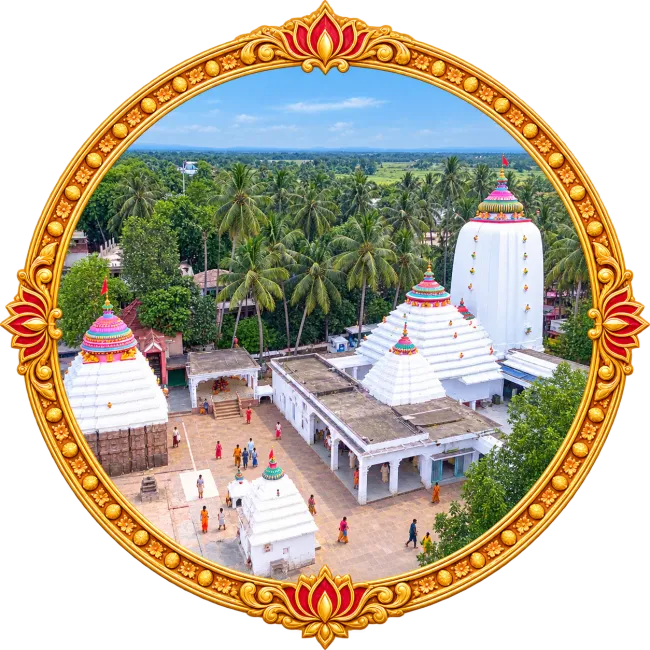
Biraja Temple, Odisha
Biraja Temple is one of the most important Shakti shrines in Odisha. Located in Jajpur, the temple is dedicated to Goddess Biraja, a powerful form of Goddess Durga. The sacred city is traditionally known as Viraja Kshetra or Biraja Kshetra and is associated with Shakti worship, ancestral rituals and several ancient Hindu traditions.
The temple is traditionally counted among the Shakti Peethas. According to local belief, the navel of Goddess Sati fell at this place. The shrine is also known for Nabhi Gaya, where devotees perform Pind Daan and other ceremonies for their ancestors.
About Biraja Temple
Biraja Temple is situated in Jajpur town, which was historically an important religious and political centre of Odisha. Goddess Biraja is also called Viraja, Girija and Biraja Devi.
The presiding deity is worshipped in a distinctive two-armed form of Mahishasuramardini. Unlike common images of Durga with eight or ten arms, Maa Biraja has only two arms. She holds a spear in one hand and pulls the tail of the buffalo demon Mahishasura with the other.
The Goddess places one foot upon the demon’s chest. Her crown contains symbols associated with Lord Ganesha, the crescent moon and a Shiva Lingam, reflecting the connection between Shakti and Shiva.
Jajpur is regarded as one of Odisha’s principal sacred regions and is sometimes included among the important Kshetras of the state.
When Was Biraja Temple Built and Who Built It?
The sacred site has ancient origins. The construction and development of the principal temple are traditionally associated with King Jajati Keshari of the Somavamsi dynasty, who ruled Odisha during the early medieval period.
King Jajati Keshari is also associated with the development of Jajpur as a major religious and administrative centre. The city’s former name, Jajatinagar, preserves his connection with the region.
The temple underwent repairs and reconstruction under subsequent rulers and local patrons. As a result, the present structure contains architectural elements belonging to different periods.
Additional shrines, boundary walls, ritual areas and pilgrim facilities were gradually added as the temple’s religious importance increased.
Biraja Temple as a Shakti Peetha
The temple’s Shakti Peetha status is connected with Goddess Sati and Lord Shiva.
King Daksha organised a grand yajna but did not invite Sati and Shiva. Sati attended the ceremony, where her father insulted Lord Shiva. Unable to tolerate the humiliation, she entered the sacrificial fire.
Lord Shiva carried her body and began performing the destructive Tandava. To protect the universe, Lord Vishnu divided Sati’s body with the Sudarshana Chakra. Its parts fell at different locations, which became sacred Shakti Peethas.
According to the tradition followed at Jajpur, the navel of Goddess Sati fell here. The sacred site is consequently called Nabhi Peetha, while the Goddess is worshipped as Biraja.
The associated Bhairava is Lord Jagannath or Varaha according to different regional traditions.
Religious Significance
Maa Biraja is worshipped as the Divine Mother who destroys evil and protects her devotees. Her victory over Mahishasura represents the triumph of righteousness over arrogance and injustice.
Devotees pray at the temple for:
Protection from danger
Courage and strength
Good health
Family welfare
Marriage and children
Prosperity
Success in education and employment
Relief from negative influences
Fulfilment of wishes
Peace for departed ancestors
The temple is especially significant for Shakti worship and ancestral ceremonies.
Nabhi Gaya and Ancestral Rituals
Nabhi Gaya is a sacred well situated within the Biraja Temple complex. It is traditionally associated with the navel of the demon Gayasura.
According to mythology, Gayasura’s body became so sacred through penance that the gods placed different parts of it at separate locations. His head is associated with Gaya in Bihar, his navel with Jajpur and his feet with Pithapuram in Andhra Pradesh.
Devotees perform Pind Daan, Tarpan and Shraddha at Nabhi Gaya for the peace and liberation of their ancestors. Priests guide families through these rituals according to their traditions.
Jajpur is therefore an important destination for both Shakti worship and Pitru Karma.
Architecture of Biraja Temple
The temple displays the Kalinga architectural style associated with Odisha. The main shrine has a tall curvilinear tower rising above the Garbhagriha.
The sanctum houses the two-armed stone image of Maa Biraja. The deity is decorated with flowers, jewellery, colourful clothes, sindoor and a crown.
The temple complex contains numerous smaller shrines dedicated to Shiva, Ganesha, Vishnu and other deities. Important areas include:
Main sanctum of Maa Biraja
Jagamohana or assembly hall
Nabhi Gaya sacred well
Shrines containing Shiva Lingams
Ritual areas for ancestral ceremonies
Havan spaces
Temple courtyard
Offering and donation counters
The stone carvings and sculptural details reflect the religious art of medieval Odisha.
Biraja Temple Timings
The temple follows a structured daily schedule. Timings may be extended during Durga Puja, Navratri and major religious occasions.
Darshan may be briefly restricted during Shringar, Bhog and special rituals. Devotees should follow the daily schedule displayed at the entrance.
Morning Puja and Aarti
The day begins with the opening and purification of the sanctum. Mangal Aarti is performed at 4:30 AM.
The morning rituals include:
Ceremonial cleansing
Offering of fresh clothes
Flower and garland decoration
Application of sindoor and sandalwood
Mantra chanting
Incense offering
Lighting of lamps
Naivedya
Morning Aarti
General darshan begins after the Goddess has been prepared with morning Shringar.
Bhog Puja
Bhog is offered to Maa Biraja at noon. The offering includes rice, lentils, vegetables, sweets and traditional Odia preparations.
General darshan may be suspended while the midday worship is performed. Prasad is distributed after the offering according to temple arrangements.
Evening Puja and Aarti
Evening worship begins with lamps, incense, flowers and devotional recitations. Sandhya Aarti is performed at 7:00 PM.
The illuminated sanctum and devotional chanting create a peaceful atmosphere. Shayan Puja is performed before the temple closes.
Major Festivals
Sharadiya Durga Puja
Durga Puja is the most important festival at Biraja Temple. The celebrations continue for several days with special Shringar, Puja, Havan and devotional ceremonies.
Rath Yatra of Maa Biraja
A distinctive chariot festival is organised during the Durga Puja period. The ceremonial image of Goddess Biraja is taken in procession on a chariot around the temple complex.
The chariot festival reflects the unique Shakta traditions of Jajpur and differs from the Jagannath Rath Yatra of Puri.
Chaitra Navratri
Special worship, Chandi Path and Havan are performed during Chaitra Navratri.
Sharadiya Navratri
Thousands of devotees visit during Sharadiya Navratri. The Goddess receives elaborate daily decoration.
Kali Puja and Diwali
The temple is illuminated with lamps, and special prayers are offered for protection and prosperity.
Puja and Religious Services
Devotees may participate in:
General Puja
Special Puja
Chandi Path
Durga Saptashati recitation
Havan
Navratri Puja
Pind Daan
Shraddha
Tarpan
Marriage-related prayers
Child-blessing Puja
Family welfare Puja
Ancestral ceremonies should be arranged with authorised priests. Ritual charges and required materials should be confirmed in advance.
Offerings and Prasad
Common offerings include:
Red cloth or saree
Flowers and garlands
Coconut
Sindoor
Bangles
Fruits
Sweets
Incense
Clarified butter
Shringar materials
Monetary donations
Prasad generally includes Khaja, laddoo, coconut, sweets and temple Bhog. Devotees should obtain offerings and prasad from recognised counters.
Dress Code and Temple Rules
Visitors should wear clean and modest clothing. Traditional Indian attire is suitable for Puja and ancestral ceremonies.
Important rules include:
Remove footwear before entering.
Follow the designated queue.
Do not touch the principal deity.
Maintain silence near the sanctum.
Follow photography restrictions.
Keep Nabhi Gaya and the temple clean.
Avoid alcohol, tobacco and non-vegetarian food.
Deposit donations only at authorised counters.
Confirm ritual arrangements before beginning Pind Daan.
Follow instructions from priests and temple staff.
Entry Fee and Darshan Duration
General entry and darshan are free. Charges apply to optional Pujas, ancestral rituals and ceremonial materials.
Regular darshan takes 30–60 minutes. Families performing Pind Daan or Shraddha should allow two to three hours.
Waiting time increases during Navratri, Durga Puja and public holidays.
Best Time to Visit
October to March is the most comfortable period for visiting Jajpur. Durga Puja and Navratri offer the grandest devotional atmosphere but also bring large crowds.
Visitors seeking a peaceful darshan should arrive between 6:00 AM and 9:00 AM on a regular weekday.
Summers are hot and humid, while the monsoon brings heavy rain. Early morning visits are preferable during warmer months.
How to Reach Biraja Temple
By Air
Biju Patnaik International Airport in Bhubaneswar is the nearest airport. It is approximately 105 kilometres from Jajpur.
By Train
Jajpur Keonjhar Road Railway Station is the nearest major station. It is approximately 30 kilometres from the temple. Taxis and buses are available from the station.
By Road
Jajpur is connected with Bhubaneswar, Cuttack, Bhadrak, Kendrapara and other cities.
Accommodation and Facilities
Hotels, lodges and Dharamshalas are available in Jajpur and Jajpur Road. Facilities near the temple include drinking water, toilets, shoe-storage counters, prasad shops, parking, food outlets and ritual-material shops.
Nearby Places to Visit
Nabhi Gaya: Sacred site for ancestral rituals inside the complex.
Dashashwamedha Ghat: A religious ghat on the Vaitarani River.
Varahanatha Temple: An ancient shrine dedicated to Lord Varaha.
Saptamatruka Temple: A historic shrine dedicated to the seven mother goddesses.
Jagannath Temple, Jajpur: An important Vaishnava shrine.
Ratnagiri: A major Buddhist archaeological site.
Udayagiri and Lalitgiri: Important ancient Buddhist complexes.
Conclusion
Biraja Temple is a major Shakti Peetha and an important centre for ancestral ceremonies. Its association with Maa Biraja, King Jajati Keshari and Nabhi Gaya gives it exceptional religious and historical significance.
The unique two-armed image, Kalinga architecture, daily Aartis and special Durga Puja Rath Yatra create a distinctive pilgrimage experience. Devotees visit Maa Biraja to seek protection, prosperity, courage and blessings for both their families and ancestors.