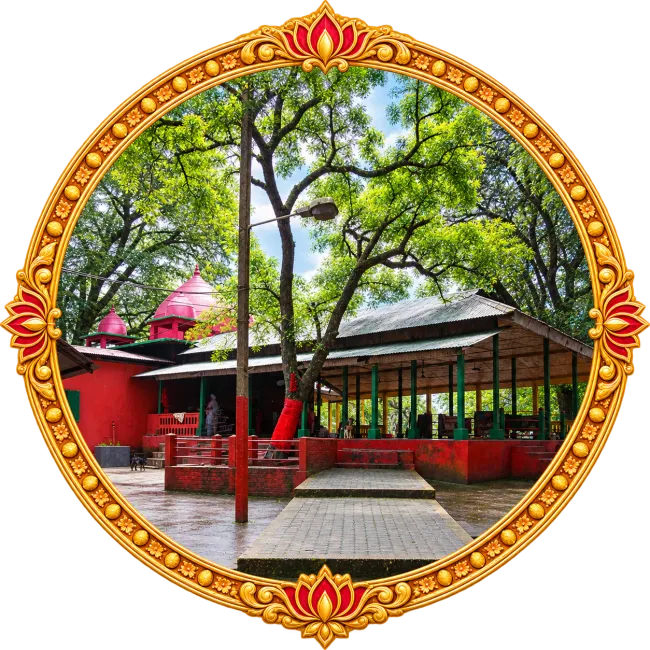
Bhairabi Temple, Tezpur
Bhairabi Temple is an important Shakti shrine located in Tezpur, Assam. Dedicated to Goddess Bhairavi, a fierce and protective manifestation of the Divine Mother, the temple is closely associated with the legends of King Banasura and his daughter, Princess Usha.
The shrine stands on an elevated site and is regarded as one of Tezpur’s oldest centres of Goddess worship. Devotees visit the temple to seek courage, protection, good health and freedom from negative influences.
About Bhairabi Temple
Bhairabi Temple is situated near the outskirts of Tezpur in the Sonitpur district. The presiding deity is Goddess Bhairavi, who is identified with Durga, Kali and one of the ten Mahavidyas.
The name Bhairavi refers to the powerful feminine counterpart of Lord Bhairava. She represents the energy that destroys fear, ignorance and evil.
Although her form is fierce, devotees worship her as a compassionate mother. She is believed to protect sincere worshippers and provide courage during difficult periods.
The temple receives its largest gatherings during Navratri, Durga Puja, Kali Puja and Durga Ashtami.
When Was Bhairabi Temple Built and Who Built It?
The sacred site has ancient origins associated with the mythological history of Sonitpur. No single historical ruler is identified as the founder of the earliest shrine.
According to local tradition, Princess Usha, the daughter of King Banasura, worshipped Goddess Bhairavi at this location. This associates the site with the Krishna–Banasura legends connected with ancient Tezpur.
The original shrine was simpler than the present structure and underwent repeated renovation. Local devotees, priests and temple committees gradually developed the complex.
The modern temple building, pathways, stairways and pilgrim facilities were added to accommodate increasing numbers of visitors while continuing the old tradition of Bhairavi worship.
Legend of Princess Usha
Princess Usha was the daughter of King Banasura, the legendary ruler of Sonitpur. She was known for her devotion to the Divine Mother.
According to local tradition, Usha regularly worshipped Goddess Bhairavi and sought her blessings at the sacred hill.
Usha once saw a young prince in a dream and fell in love with him. Her companion Chitralekha, a talented artist, drew portraits of several princes until Usha recognised Aniruddha, the grandson of Lord Krishna.
Using her spiritual powers, Chitralekha brought Aniruddha to Usha. When Banasura discovered them, he imprisoned the prince. This event led to a great battle between Krishna and Banasura.
The landscape of Tezpur contains several places associated with this legend, including Agnigarh, Mahabhairav Temple and Bhairabi Temple.
Goddess Bhairavi
Bhairavi is one of the ten Mahavidyas, the great wisdom manifestations of Shakti. She represents intense spiritual energy, transformation and victory over fear.
Her worship symbolises:
Destruction of ignorance
Protection from negative forces
Courage during hardship
Control over anger and fear
Spiritual discipline
Awakening of inner strength
Devotees should approach Bhairavi worship with respect, purity and sincerity.
Religious Significance
People visit Bhairabi Temple to pray for:
Protection from danger
Courage and confidence
Good health
Relief from fear
Family welfare
Marriage and children
Success in education and employment
Victory over obstacles
Freedom from negative influences
Fulfilment of wishes
The temple is particularly important to devotees following Shakta and Tantric traditions.
Architecture of Bhairabi Temple
The present temple combines a modern structure with traditional Assamese and Shakta architectural elements.
A series of steps leads to the main shrine. The elevated position provides views of the surrounding landscape and parts of Tezpur.
The deity is housed inside a compact Garbhagriha and decorated with red cloth, flowers, jewellery, garlands, sindoor and a crown.
The complex includes:
Main sanctum of Goddess Bhairavi
Temple courtyard
Prayer hall
Havan area
Smaller shrines
Puja and offering counters
Pilgrim queue passages
Hilltop viewpoints
Bhairabi Temple Timings
The temple follows a daily schedule for Puja, Bhog and Aarti.
During Navratri, Durga Puja and Kali Puja, extended worship and crowd-control arrangements may be introduced.
Morning Puja and Aarti
The day begins with purification of the sanctum and Mangal Puja. Morning Aarti is performed at 6:00 AM.
The morning rituals include:
Ceremonial cleaning
Offering of fresh clothes
Flower and garland decoration
Sindoor and sandalwood
Crown and jewellery decoration
Mantra chanting
Incense and lamps
Naivedya
Morning Aarti
General darshan continues after the morning Shringar has been completed.
Bhog and Evening Aarti
Bhog is offered to Goddess Bhairavi at noon. The offering can include rice, sweets, fruits and other ceremonial preparations.
Evening Puja begins at 5:30 PM, followed by Aarti at 6:30 PM. Devotees participate by singing hymns and chanting the name of the Goddess.
Shayan Puja is performed before the temple closes.
Major Festivals
Sharadiya Navratri
Sharadiya Navratri is the most important annual festival. The nine forms of Goddess Durga are worshipped through special Puja, Shringar and Aarti.
Durga Puja
Durga Puja attracts large numbers of devotees. The celebrations include Chandi Path, Havan, Pushpanjali and prasad distribution.
Durga Ashtami
Durga Ashtami is observed with special worship, offerings and Kanya Pujan.
Chaitra Navratri
Special Puja, fasting and Durga Saptashati recitation are performed during Chaitra Navratri.
Kali Puja
The fierce form of the Divine Mother is worshipped during Kali Puja. Special evening rituals and lamp offerings are organised.
Diwali
The temple is illuminated with lamps, and devotees pray for protection and prosperity.
Puja and Religious Services
Available ceremonies may include:
General Bhairavi Puja
Special Devi Puja
Navratri Puja
Durga Saptashati Path
Chandi Path
Havan
Kanya Pujan
Family welfare Puja
Marriage-related prayers
Child-blessing ceremony
Protection Puja
Thanksgiving worship
Puja arrangements should be made through authorised priests or temple representatives.
Offerings and Prasad
Traditional offerings include:
Red flowers
Red chunri
Sindoor
Coconut
Fruits
Sweets
Bangles
Incense
Clarified butter
Shringar materials
Monetary donations
Animal sacrifice has historically formed part of certain Shakta traditions at the temple. Devotees who prefer symbolic offerings may present coconut, pumpkin, fruits or sweets according to authorised practices.
Prasad generally includes sweets, coconut, fruits and blessed flowers.
Dress Code and Temple Rules
There is no strict dress code, but visitors should wear clean and modest clothing. Comfortable footwear is recommended for reaching the elevated shrine.
Important rules include:
Remove footwear before entering.
Follow the designated queue.
Do not touch the principal deity.
Follow photography restrictions.
Keep the hill and temple clean.
Avoid alcohol and tobacco.
Deposit donations only at authorised counters.
Respect ongoing Shakta rituals.
Follow instructions from priests and security personnel.
Entry Fee and Darshan Duration
General entry and darshan are free. Charges apply only to optional Pujas, Havan and ritual materials.
Darshan generally requires 20–45 minutes. Visitors should allow additional time for steps and hill access.
During Navratri and Durga Puja, waiting time can extend to several hours.
Best Time to Visit
October to March is the most comfortable period for visiting Tezpur. The weather is suitable for temple visits and local sightseeing.
Early morning between 7:00 AM and 10:00 AM is ideal for peaceful darshan. Sharadiya Navratri and Durga Puja provide the grandest devotional atmosphere but attract large crowds.
The monsoon makes the temple surroundings green, but the steps may become slippery.
How to Reach Bhairabi Temple
By Air
Tezpur Airport at Salonibari is approximately 15 kilometres from the temple. Guwahati Airport provides wider flight connectivity.
By Train
Dekargaon Railway Station is the nearest railhead. Rangapara North Junction provides additional connections.
By Road
Tezpur is connected with Guwahati, Nagaon, Kaziranga and Bhalukpong by road.
Accommodation and Facilities
Tezpur offers hotels, guest houses, lodges and restaurants.
Facilities near the temple include:
Parking
Drinking water
Shoe-storage area
Puja shops
Prasad stalls
Basic toilets
Resting spaces
Local transport
Security assistance
Nearby Places to Visit
Mahabhairav Temple: An ancient Shiva shrine associated with King Banasura.
Agnigarh: A hill connected with Usha and Aniruddha.
Da Parbatia: An archaeological site known for its Gupta-style doorway.
Bamuni Hills: Ancient temple ruins and sculptures.
Chitralekha Udyan: A park displaying archaeological remains.
Ganesh Ghat: A scenic Brahmaputra riverfront location.
Nameri National Park: A nearby forest and wildlife destination.
Kaziranga National Park: Famous for the one-horned rhinoceros.
Conclusion
Bhairabi Temple is a significant Shakti shrine connected with Goddess Bhairavi, King Banasura and Princess Usha. Its ancient religious tradition and elevated location make it an important part of Tezpur’s sacred landscape.
The daily Aartis, Navratri worship and Durga Puja celebrations attract devotees throughout the year. Visitors pray to Goddess Bhairavi for courage, protection, family welfare and freedom from fear.