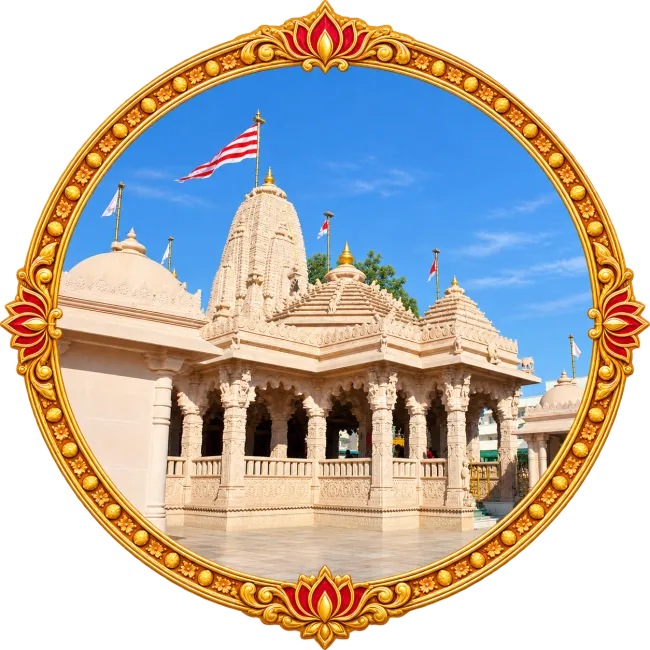
Ashapura Mata Temple, Mata no Madh, Gujarat
Ashapura Mata Temple at Mata no Madh is one of the most revered Shakti shrines in Gujarat. Located in the Kutch district, the temple is dedicated to Ashapura Mata, the Goddess believed to fulfil the sincere wishes of her devotees. She is worshipped as the guardian deity of Kutch and the Kuldevi of the Jadeja rulers and several communities.
Surrounded by the dry and dramatic landscape of western Kutch, the temple attracts pilgrims from Gujarat, Rajasthan, Maharashtra and other parts of India. Navratri is the most important period, when thousands of devotees reach Mata no Madh, many undertaking the journey on foot.
About Ashapura Mata Temple
The temple is situated in Mata no Madh village in Lakhpat taluka, approximately 95 kilometres from Bhuj. The name “Mata no Madh” means “the sacred residence of the Mother Goddess.”
Ashapura means “the Goddess who fulfils hopes and wishes.” Devotees approach her for protection, prosperity, family welfare and success in important work.
The principal deity is represented by a large red-coloured stone form. The sacred image has distinctive facial features and is traditionally described as Swayambhu, or self-manifested. The deity is decorated with clothes, crowns, jewellery, flowers and silver ornaments.
Ashapura Mata is the Kuldevi of the Jadeja Rajputs, who historically ruled Kutch. She is also worshipped by numerous merchant, farming, artisan and pastoral communities.
When Was Ashapura Mata Temple Built and Who Built It?
The organised shrine at Mata no Madh is associated with the 14th century. Temple tradition credits two devotees and merchants, Ajo and Anagor, with establishing the early temple after receiving a divine command from Ashapura Mata.
The shrine later received the patronage of the Jadeja rulers of Kutch. The royal family adopted Ashapura Mata as its Kuldevi and supported the temple’s worship, maintenance and festivals.
The structure suffered major damage during the devastating Kutch earthquake of 1819. It was subsequently reconstructed with the support of wealthy devotees and patrons associated with the Kutch court.
The temple was again affected by the Gujarat earthquake of 2001. Restoration and structural improvements were undertaken afterward while preserving the shrine’s traditional appearance.
The present temple therefore represents several stages of construction and reconstruction, beginning with the medieval shrine and continuing through royal and community patronage.
Legend of Ajo and Anagor
According to local tradition, Ajo and Anagor travelled through the Kutch region and stopped at the present site. They experienced the divine presence of the Goddess and decided to establish her worship.
The Goddess instructed them to construct a shrine but warned that the temple doors should remain closed for a specified period. During this time, a sacred image would manifest inside.
The devotees heard divine music and believed that the manifestation had been completed. They opened the doors before the prescribed period had ended and discovered that the image had appeared only partially.
The unfinished but powerful form was accepted as the divine image of Ashapura Mata. It became the principal object of worship at Mata no Madh.
Connection with the Jadeja Rulers
The Jadeja rulers considered Ashapura Mata the protector of their dynasty and kingdom. Before military campaigns, coronations and major political decisions, the rulers sought the Goddess’s blessings.
Royal offerings, land grants and festival support contributed to the growth of the shrine. The Goddess consequently became closely connected with the cultural identity of Kutch.
Even today, members of communities that regard Ashapura Mata as their Kuldevi visit the temple for weddings, childbirth, Mundan ceremonies and thanksgiving worship.
Religious Significance
Ashapura Mata is worshipped as a compassionate mother who fulfils righteous wishes. Devotees believe that she responds to prayers offered with faith and honesty.
People visit the temple to seek:
- Fulfilment of wishes
- Protection from danger
- Good health
- Family peace
- Marriage and children
- Prosperity in business
- Success in education and employment
- Courage during difficult periods
- Safe travel
- Spiritual strength
Many devotees make a vow before the Goddess and return with offerings after their wish has been fulfilled.
Architecture of Ashapura Mata Temple
The temple displays regional Gujarati architecture with elements influenced by the historic construction traditions of Kutch.
The main structure is built from stone and has a tall, ornamented Shikhara above the sanctum. The entrance, pillars and exterior contain decorative carvings and religious motifs.
The red-coloured image of Ashapura Mata is installed inside the Garbhagriha. Silver work, lamps, bells, flowers and colourful fabrics decorate the worship area.
The complex includes:
- Main sanctum of Ashapura Mata
- Sabha Mandap
- Temple courtyard
- Smaller shrines
- Havan area
- Queue passages
- Donation and offering counters
- Pilgrim accommodation
- Community dining facilities
Ashapura Mata Temple Timings
The temple follows a daily schedule for Puja, Bhog and Aarti. Extended arrangements may be introduced during Navratri and major pilgrimage periods.
Festival ceremonies and crowd-control arrangements can affect general darshan. Visitors should follow the daily ritual schedule displayed at the temple.
Morning Puja and Aarti
The temple opens before sunrise. Mangala Aarti is performed at 5:30 AM and marks the beginning of the day’s worship.
Morning rituals include:
- Sanctum purification
- Offering of fresh clothes
- Flower and jewellery decoration
- Application of kumkum and sandalwood
- Mantra chanting
- Incense and lamp offering
- Naivedya
- Mangala Aarti
After Shringar is completed, general darshan continues through the designated queue.
Rajbhog and Evening Aarti
Rajbhog Aarti is performed at noon. Cooked food, sweets, fruits and dry fruits are offered to the Goddess.
The evening ceremony begins with the lighting of lamps and incense. Sandhya Aarti is performed at 7:00 PM, followed by general darshan.
Shayan Aarti is conducted before the temple closes and marks the conclusion of the day’s formal worship.
Major Festivals
Sharadiya Navratri
Sharadiya Navratri is the largest festival at Mata no Madh. Thousands of pilgrims travel from Bhuj and other parts of Gujarat, and many complete the route on foot.
The temple is decorated with flowers and lights. Special Puja, Aarti, Havan, Garba and devotional programmes are organised.
Chaitra Navratri
Chaitra Navratri is also celebrated with special worship. Devotees observe fasting and offer chunri, coconuts and Shringar materials.
Durga Ashtami
Durga Ashtami is marked by special Puja, Havan and Kanya Pujan.
Diwali
The temple is illuminated during Diwali. Devotees pray for prosperity and success in the coming year.
Gujarati New Year
Families and business owners visit the Goddess to seek blessings at the beginning of the new year.
Puja and Religious Services
Religious services may include:
- General Puja
- Special Puja
- Mangala Aarti
- Havan
- Navratri Puja
- Mataji no Path
- Family welfare Puja
- Marriage-related prayers
- Child-blessing ceremony
- Mundan ceremony
- New-business Puja
- Thanksgiving worship
Puja arrangements and donations should be completed through authorised temple counters.
Offerings and Prasad
Common offerings include:
- Red chunri
- Coconut
- Flowers and garlands
- Kumkum
- Bangles
- Sweets
- Dry fruits
- Incense
- Clarified butter
- Mata’s Shringar items
- Silver ornaments
- Monetary donations
Prasad generally includes sweets, coconut, mishri and dry fruits. Community meals may be available through temple or charitable arrangements, especially during major festivals.
Dress Code and Temple Rules
Visitors should wear clean and modest clothing. Lightweight cotton clothes are suitable for most of the year, while warm layers may be required during winter mornings.
Important rules include:
- Remove footwear before entering.
- Follow the designated queue.
- Do not touch the sacred image.
- Follow photography restrictions.
- Keep the temple and village clean.
- Avoid alcohol, tobacco and non-vegetarian food.
- Deposit donations only at authorised counters.
- Carry sufficient water when travelling through remote areas.
- Follow instructions from temple and security staff.
Entry Fee and Darshan Duration
General entry and darshan are free. Charges may apply to optional Pujas, Havan and ritual materials.
Darshan generally takes 30–60 minutes on ordinary days. During Navratri, devotees may have to wait for several hours.
Visitors should allow additional travel time because Mata no Madh is located in a relatively remote part of Kutch.
Best Time to Visit
October to March is the best period for visiting the temple. The weather remains comparatively pleasant and suitable for road travel.
Navratri offers the grandest devotional atmosphere but attracts very large crowds. Visitors seeking peaceful darshan should choose a regular weekday and arrive between 7:00 AM and 9:00 AM.
Kutch experiences intense heat from April to June. Pilgrims visiting during summer should travel early, carry drinking water and avoid long outdoor exposure during the afternoon.
How to Reach Ashapura Mata Temple
By Air
Bhuj Airport is the nearest airport. It is approximately 100 kilometres from Mata no Madh. Taxis are available from Bhuj.
By Train
Bhuj Railway Station is the nearest major railway station. It is connected with Ahmedabad, Gandhinagar, Mumbai and other cities.
By Road
Mata no Madh is connected with Bhuj, Nakhatrana, Lakhpat and other places in Kutch. State transport buses, private buses and taxis operate on the route.
Accommodation and Facilities
Dharamshalas and basic guest houses are available near the temple. Bhuj and Nakhatrana provide a wider choice of hotels.
Facilities include:
- Drinking water
- Toilets
- Shoe-storage counters
- Prasad shops
- Community dining areas
- Parking
- Pilgrim accommodation
- Medical assistance
- Security posts
- Religious-item shops
Accommodation should be booked in advance during Navratri.
Nearby Places to Visit
- Narayan Sarovar: A sacred lake and pilgrimage destination.
- Koteshwar Mahadev Temple: A Shiva temple near the western coast of Kutch.
- Lakhpat Fort: A historic fortified settlement.
- Nakhatrana: A convenient stop for food and accommodation.
- Bhuj: Known for palaces, museums and traditional handicrafts.
- Kalo Dungar: The highest point in Kutch.
- White Rann of Kutch: A famous salt desert landscape.
Conclusion
Ashapura Mata Temple at Mata no Madh is the principal Shakti shrine of Kutch and the sacred seat of the Goddess who fulfils hopes. Its medieval origin, connection with Ajo and Anagor, patronage by the Jadeja rulers and survival through major earthquakes give it deep historical significance.
The sacred image, daily Aartis, Navratri pilgrimage and desert landscape create a memorable spiritual experience. Devotees visit Ashapura Mata to seek protection, prosperity, courage and fulfilment of their sincere wishes.