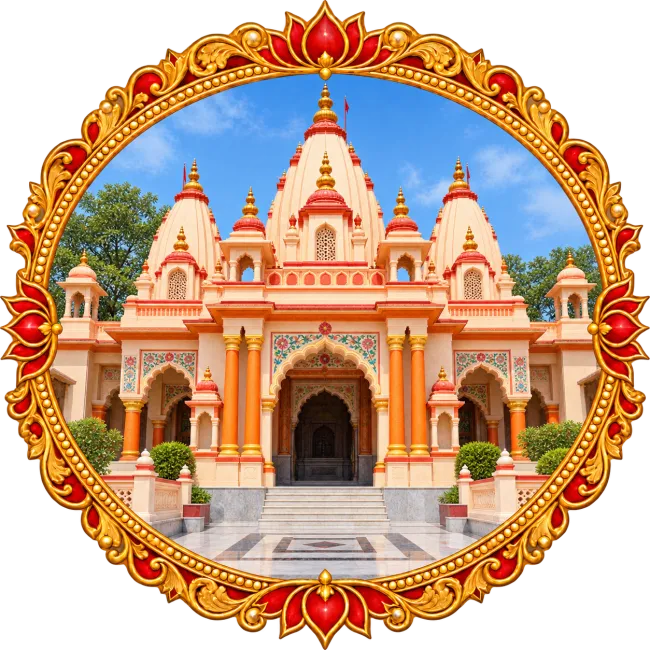
Panchkuian Temple Jhansi
Panchkuian Temple in Jhansi is an ancient and highly revered Shakti shrine dedicated primarily to Maa Sheetla and Maa Sankata. Situated near the foothills of the historic Jhansi Fort, the temple is closely connected with the religious traditions and royal history of Bundelkhand. Its association with Maharaja Bir Singh Ju Dev of Orchha and Rani Lakshmibai gives it a special place among the temples of Jhansi.
The temple derives its name from the five traditional wells located within its premises. “Panch” means five, while “Kuian” refers to wells. Devotees visit the temple to worship the goddesses, perform traditional rituals, fulfil family vows and seek protection from disease, distress and misfortune. The temple becomes especially vibrant during Chaitra and Sharad Navratri.
About Panchkuian Temple Jhansi
Panchkuian Temple, also known as Panchkuian Mata Mandir or Panchkuian Siddhpeeth, is located on Panchkuian Road in the Indrapuri area of Jhansi, Uttar Pradesh. The principal deities worshipped here are Maa Sheetla and Maa Sankata. Both goddesses are traditionally associated with protection, health, relief from suffering and the removal of difficulties.
The original images of Maa Sheetla and Maa Sankata are considered to date from the Chandela period. During that time, the sacred site existed as a smaller shrine. It was later expanded into a larger temple complex by Maharaja Bir Singh Ju Dev of Orchha during the early seventeenth century, when the Jhansi Fort was also being developed.
The temple is regarded as the Nagar Bhavani of Jhansi. Many local families honour the goddess as their family deity and visit before or after important occasions such as marriage, childbirth and religious ceremonies. The south-facing position of the principal deities is another distinctive feature of the shrine.
Location of Panchkuian Temple
Panchkuian Temple is situated in Panchkuiyan, Indrapuri, on Panchkuian Road in Jhansi. It stands close to the historic part of the city and can be reached conveniently from Jhansi Fort, Khanderao Gate and other central localities.
Address: Panchkuian Road, Panchkuiyan, Indrapuri, Jhansi, Uttar Pradesh – 284002
The temple is located within the urban area, so auto-rickshaws, e-rickshaws and local taxis are generally available. Roads near the temple can become crowded during Navratri, Ashtami, Navami and the annual religious fair.
History of Panchkuian Temple Jhansi
The sacred history of Panchkuian Temple extends back to the Chandela period. The images of Maa Sheetla and Maa Sankata are believed to have been installed when a small shrine existed at this location.
The temple received its grander form during the reign of Maharaja Bir Singh Ju Dev of Orchha. He ruled Orchha from 1605 to 1627 and is also associated with the construction of Jhansi Fort. While developing the fort and surrounding area in the early seventeenth century, the ruler expanded the existing shrine and established additional deities within the temple complex.
Therefore, the original sacred site and its principal images are considered older, while the enlarged temple structure belongs to the period of Maharaja Bir Singh Ju Dev.
The temple later became important during the Maratha rule of Jhansi. According to the temple’s traditional history, Rani Lakshmibai regularly visited Panchkuian Temple to worship the goddess. Its location near the fort made it easily accessible from the royal area. This connection has made the temple both a religious shrine and an important part of Jhansi’s cultural memory.
The Navratri fair held at Panchkuian Temple is said to have been celebrated for nearly three centuries. Even today, large numbers of devotees visit the temple during the nine days of Navratri.
Why Is It Called Panchkuian Temple?
The name Panchkuian is associated with five old wells situated within the temple premises. These wells once formed an important part of the temple and the surrounding settlement.
Local tradition also connects the five wells with the historical water requirements of the people living in this part of Jhansi. Over time, the wells became so closely associated with the shrine that the temple itself came to be known as Panchkuian Mandir.
The presence of these wells gives the temple a distinctive identity. Visitors should avoid touching, entering or throwing offerings into any protected water structure unless specifically permitted by the temple authorities.
Religious Significance of Panchkuian Temple
Panchkuian Temple is primarily associated with the worship of Shakti. Maa Sheetla is traditionally worshipped as the goddess who grants relief from heat, infection and illness, while Maa Sankata is revered as the remover of suffering and difficult circumstances.
The temple is particularly known for its collection of goddess shrines associated in local tradition with protection from different ailments. Devotees perform specific offerings before these deities according to family customs and instructions given by temple priests.
The principal deities are south-facing, which is considered an unusual and spiritually significant feature. The goddesses are also worshipped as Nagar Bhavani—the protective divine power of Jhansi.
Local families commonly visit the temple for:
- Prayers for health and protection
- Fulfilment of vows and wishes
- Blessings before marriage ceremonies
- Worship after childbirth
- Relief from family difficulties
- Protection of children
- Navratri worship and kanya pujan
- Thanksgiving after the fulfilment of a wish
Beliefs concerning relief from illness are part of local religious tradition and should not be treated as a substitute for professional medical diagnosis or treatment.
Panchkuian Temple Timings
The regular public visiting schedule is given below. On Navratri, Ashtami, Navami and major festival days, the temple may open earlier and remain accessible for extended hours.
Navratri Timings
During Navratri, devotees begin gathering at the temple from 3:00 AM. The special morning Mahaaarti is held at 4:00 AM on important Navratri days. Festival arrangements and closing times may vary according to the day’s programme and crowd conditions.
Visitors travelling specifically to attend an aarti should confirm the same-day schedule locally because ritual timings can change during festivals and seasonal observances.
Morning Puja and Aarti
The regular morning worship begins when the temple opens at 6:00 AM. The deities are offered water, flowers, incense, lamps and traditional food offerings. Devotees attend the morning aarti to begin their day with the blessings of Maa Sheetla and Maa Sankata.
The temple is quieter after the opening rituals on ordinary weekdays. Visitors who prefer peaceful darshan should reach between 7:00 AM and 9:00 AM. During Navratri, however, devotees may begin arriving before sunrise, and the special Mahaaarti can take place at 4:00 AM.
Evening Puja and Aarti
The evening puja and aarti are conducted at 7:00 PM. Lamps are lit before the goddesses, bells are rung and devotees participate in collective prayers. The illuminated shrines create a devotional atmosphere, making evening one of the most beautiful times to visit.
Devotees should arrive at least 20 to 30 minutes before the evening aarti, especially on Tuesdays, Fridays and during Navratri.
Deities Worshipped at Panchkuian Temple
The main temple is dedicated to Maa Sheetla and Maa Sankata. Several other forms of the goddess are also traditionally worshipped within the complex.
Maa Sheetla
Maa Sheetla is worshipped as the goddess of cooling, healing and protection from infectious diseases. Devotees offer water, flowers, neem leaves and simple food preparations according to local traditions.
Maa Sankata
Maa Sankata is worshipped for deliverance from trouble, fear, disease and family difficulties. Devotees perform jalabhishek and pray for relief from obstacles.
Falak Barai Mata
Local devotees worship this form of the goddess while praying for recovery from persistent fever and illness. Bangles and chunari may be offered while making a vow.
Godri Mata
Godri Mata is worshipped by families seeking protection from measles and related illnesses. Offerings associated with local customs are presented after consulting the temple priest.
Motijhara Mata
Devotees visit the shrine of Motijhara Mata with prayers related to fever and physical well-being. Leafy vegetables are among the traditional offerings made after a vow is fulfilled.
Khijli Mata
Parents worship Khijli Mata for the well-being of children, particularly when a child is restless or frequently distressed. Puri and kheer are traditionally offered in connection with this worship.
These practices represent regional faith and inherited customs. Visitors should follow the directions of the temple priest before making any specialised offering.
Architecture of Panchkuian Temple
Panchkuian Temple reflects the traditional religious architecture of Bundelkhand rather than the monumental style of large pilgrimage centres. Its identity lies in its historic shrines, sacred wells, south-facing deities and collection of smaller sanctums.
The complex developed gradually over different historical periods. Its oldest sacred elements are associated with the Chandela period, while its expansion is connected with Maharaja Bir Singh Ju Dev. Subsequent repairs and additions have helped preserve the temple as an active place of worship.
The arrangement of several goddess shrines within one complex is one of its most distinctive features. The temple remains closely integrated with the surrounding neighbourhood, retaining the character of an old city shrine.
Major Festivals Celebrated
Chaitra Navratri
Chaitra Navratri is one of the most important celebrations at Panchkuian Temple. The temple opens before its regular time, special aartis are performed and thousands of devotees arrive for darshan.
Sharad Navratri
Sharad Navratri is celebrated with elaborate decoration, devotional singing and continuous worship. Ashtami and Navami receive the highest number of visitors.
Sheetla Ashtami
Sheetla Ashtami has special importance because Maa Sheetla is one of the principal deities. Devotees worship the goddess and offer traditional preparations according to their family customs.
Durga Ashtami and Maha Navami
Special puja, havan, kanya pujan and distribution of prasad are conducted on these days. Long queues may form from early morning.
Annual Panchkuian Fair
The temple’s religious fair is an important local tradition associated with Navratri. The fair is believed to have continued for nearly 300 years and brings together devotees from Jhansi and the wider Bundelkhand region.
Offerings and Prasad
Devotees commonly offer:
- Red chunari
- Flowers and garlands
- Sindoor and kumkum
- Coconut
- Incense sticks
- Mustard-oil or ghee lamps
- Neem leaves
- Bangles
- Puri and kheer
- Sweets and seasonal fruits
Visitors wishing to perform jalabhishek or a specialised ritual should consult an authorised priest. Offerings should be placed only at designated locations so that the shrines and historic wells remain clean.
Entry Fee and Visit Duration
There is no general entry fee for visiting Panchkuian Temple. Donations and charges for special pujas are separate and voluntary.
A regular visit generally requires 30 to 45 minutes. During Navratri, Ashtami or Navami, visitors may need one to two hours because of long queues and crowd-control arrangements.
Best Time to Visit
October to March offers pleasant weather for exploring Jhansi and visiting the temple. For a peaceful experience, weekday mornings between 7:00 AM and 9:00 AM are suitable.
Navratri is the best time to experience the temple’s festive character, but it is also the most crowded period. Elderly visitors and families with small children should preferably avoid peak hours on Ashtami and Navami.
Visitor Guidelines
- Wear modest and respectful clothing.
- Remove footwear at the designated place.
- Do not touch the idols or enter restricted sanctums.
- Ask permission before taking photographs.
- Maintain silence during puja and aarti.
- Follow the queue during Navratri.
- Do not throw flowers, plastic or coins into the wells.
- Keep children close during crowded festival days.
- Use only designated places for lighting lamps.
- Do not treat religious rituals as a replacement for medical care.
How to Reach Panchkuian Temple Jhansi
By Train
Virangana Lakshmibai Jhansi Junction is the nearest major railway station. It is connected with Delhi, Agra, Gwalior, Kanpur, Lucknow, Bhopal, Mumbai and several other cities. Auto-rickshaws, e-rickshaws and taxis are available from the station to Panchkuian Road.
By Road
Jhansi is connected by road with Gwalior, Orchha, Datia, Lalitpur, Kanpur and other cities of Uttar Pradesh and Madhya Pradesh. Visitors arriving at the Jhansi bus stand can take a local auto-rickshaw or taxi to Indrapuri and Panchkuian Road.
By Air
Gwalior Airport is the nearest operational airport with regular connectivity. From Gwalior, visitors can travel to Jhansi by taxi, bus or train. Khajuraho Airport is another option for travellers combining Jhansi with a wider Bundelkhand tour.
Nearby Places to Visit
Visitors can combine Panchkuian Temple with:
- Jhansi Fort
- Rani Mahal
- Government Museum Jhansi
- Ganesh Mandir
- Mahalakshmi Temple
- Maharaja Gangadhar Rao Ki Chhatri
- Karguvanji Jain Temple
- St. Jude’s Shrine
- Orchha temples and monuments
Conclusion
Panchkuian Temple is one of Jhansi’s most historically significant Shakti shrines. Its ancient images of Maa Sheetla and Maa Sankata, five sacred wells, south-facing deities and association with Maharaja Bir Singh Ju Dev and Rani Lakshmibai give it a distinctive identity.
For local residents, the temple is not merely a historic monument but a living centre of family faith and community worship. Whether visited during the quiet morning hours or the grand celebrations of Navratri, Panchkuian Temple offers devotees an opportunity to experience the traditional spiritual culture of Jhansi and Bundelkhand.