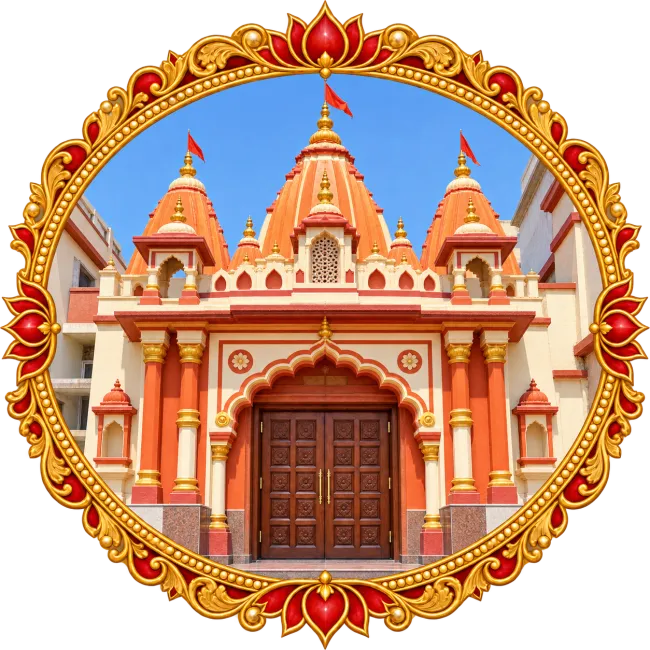
Bara Devi Temple Kanpur
Visit Bara Devi Temple Kanpur, one of the oldest and most respected Shakti temples in the city. Located in Juhi Kalan, the temple is associated with a famous local tradition concerning twelve sisters who became sacred stone forms through divine power. The name “Bara Devi” is derived from “Barah Devi,” meaning twelve goddesses.
The temple is especially famous for its Chunri Bandhan tradition. Devotees tie a sacred chunri while making a wish and return to open the knot after their prayer is fulfilled. Both Chaitra Navratri and Sharadiya Navratri are celebrated through special Shringar, aarti, havan, Kanya Pujan, Jaware processions and a large religious fair.
About Bara Devi Temple Kanpur
Bara Devi Temple is situated on Bara Devi Road in Juhi Kalan, Kanpur, Uttar Pradesh. It is also known as Maa Bara Devi Mandir and Prachin Shri Barah Devi Mandir.
The temple’s name is connected with the twelve sacred goddess forms worshipped within the shrine. According to local tradition, twelve sisters took refuge in this area and were transformed into stone forms through their spiritual power and the blessings of Adi Shakti.
Devotees collectively worship the twelve sisters as manifestations of the Divine Mother. The temple is therefore regarded as a Siddha Shakti shrine where prayers offered with sincerity are believed to be fulfilled.
Bara Devi Temple is particularly important for people seeking:
- Protection from difficulties
- Family happiness
- Blessings for children
- Recovery from illness
- Marriage-related blessings
- Prosperity in business
- Success in employment
- Peace and stability
- Fulfilment of wishes
- Relief from fear and negative influences
The religious importance of the temple has influenced the identity of the surrounding area. Bara Devi locality takes its name from the temple, and the large residential region known as Barra is also traditionally associated with the shrine.
History of Bara Devi Temple Kanpur
Bara Devi Temple is believed to be between 1,500 and 1,700 years old. The sacred stone forms worshipped in the temple are regarded as considerably older than the present structure.
In ancient times, the southern part of Kanpur was covered with forests. The region surrounding the present temple was a quiet and isolated area situated between the plains associated with the Ganga and Pandu rivers.
According to temple tradition, the present shrine developed at the place where twelve sisters became divine stone forms. Local villagers and pastoral communities subsequently began worshipping these stones after experiencing sacred signs and extraordinary events at the site.
A small Mathiya or local shrine was initially constructed here. As belief in the goddesses spread, people from nearby villages began visiting the site for worship.
The existing temple building is linked with a merchant from Delhi. According to local tradition, approximately one hundred years ago, the merchant received a divine instruction in a dream to construct a proper temple at the sacred site. Following the dream, he arranged for the construction of the temple.
The building has subsequently been renovated and expanded to accommodate growing numbers of devotees. The original sacred identity associated with the twelve sisters, however, remains central to the temple’s worship.
Legend of the Twelve Sisters
The most famous story associated with Bara Devi Temple concerns the twelve daughters of Latua Veer Baba, who lived in Arra.
According to local tradition, the marriage of the eldest daughter was arranged in Barra village. On the day the wedding procession was expected to arrive, a serious conflict arose within the family. The eldest daughter left her home with her eleven younger sisters and reached the forested area where the temple now stands.
The twelve sisters prayed to Adi Shakti for protection and requested that no one be able to harm them. Through their spiritual power and the goddess’s grace, all twelve sisters were transformed into sacred stones.
A small shrine was later established at the site, and the sisters began to be worshipped as twelve forms of the Divine Mother. This is believed to have given the temple the name Barah Devi, which gradually became Bara Devi in common usage.
Local tradition also holds that their father was transformed into stone after the event. His stone image was formerly kept at a location near the temple but disappeared as the area became more populated.
The story is preserved as a local religious tradition. It represents the protection of dignity, the spiritual strength of women and the power of complete surrender to the Divine Mother.
Connection with the Sisters’ Descendants
The legend of the twelve sisters is reflected in a continuing local tradition. On Navratri Ashtami, families considered descendants of the sisters’ parental and marital sides visit the temple to participate in special worship.
Traditional offerings are brought from the communities associated with the sisters’ parental and marital homes. This annual custom keeps the temple’s foundational story connected with living community traditions.
The ceremony is conducted according to current temple practices. Devotees should follow the instructions of the temple management and avoid interpreting older symbolic offerings as permission for any unauthorised act within the premises.
Religious Significance of Bara Devi Temple
The twelve sacred goddess forms are collectively worshipped as manifestations of Adi Shakti. Their worship symbolises courage, purity, protection, unity and victory over injustice.
Devotees believe that Mata Bara Devi listens to prayers made with faith. Women frequently visit the temple for family welfare, safe pregnancy, healthy children and marital happiness.
The temple is also considered important for people facing prolonged difficulties. Devotees make a Sankalp before the goddess and offer a chunri, coconut, flowers or a sacred lamp.
After a prayer is fulfilled, devotees return to express gratitude through Shringar, prasad distribution, Kanya Pujan or another offering permitted by the temple.
Architecture of Bara Devi Temple
Bara Devi Temple follows traditional North Indian Shakti temple architecture. Its entrance, Shikhara, sacred flags and bells create a distinctive religious appearance.
The main sanctum houses the sacred forms associated with the twelve sisters. The deities are decorated with flowers, garments, jewellery, sindoor and chunris. During Navratri, the entire sanctum is adorned with elaborate flower arrangements and colourful lights.
Four major entrances are associated with the temple complex, facing the eastern, western, northern and southern directions. Most devotees use the principal eastern entrance for darshan.
The complex contains facilities for:
- Darshan queues
- Havan and religious ceremonies
- Prasad distribution
- Drinking water
- Devotional gatherings
- Kanya Pujan
- Lighting sacred lamps
- Tying devotional chunris
Ancient neem and banyan trees within or near the premises contribute to the temple’s traditional atmosphere.
Main Deity and Other Shrines
The principal objects of worship are the sacred forms of the twelve sisters, collectively revered as Maa Bara Devi. They are understood as manifestations of Durga and Adi Shakti.
Different qualities associated with the goddess include:
- Courage
- Protection
- Wisdom
- Prosperity
- Motherhood
- Purity
- Health
- Spiritual strength
- Victory over injustice
- Destruction of negative forces
- Family welfare
- Fulfilment of wishes
The complex may also contain images of Lord Shiva, Lord Ganesha, Lord Hanuman and other Hindu deities. Devotees generally pray to Lord Ganesha before proceeding to the main sanctum.
Bara Devi Temple Kanpur Timings
The regular darshan and aarti schedule is:
Navratri Timings
Navratri timings may be modified according to the festival day, crowd conditions, Ashtami worship and administrative arrangements. Visitors should confirm the same-day schedule before attending a specific ceremony.
Best Time for Darshan
The best time for peaceful darshan is between 7:00 AM and 9:00 AM on an ordinary weekday. Devotees can participate in the morning aarti and complete their worship without the heavy crowds seen during festivals.
Evening between 6:00 PM and 8:00 PM is suitable for visitors wishing to attend Sandhya Aarti. Lamps, bells and devotional chanting create a spiritually uplifting atmosphere.
Navratri is the most important period to experience the temple’s celebrations. However, visitors should expect long queues, road diversions and limited parking during this time.
Chunri Bandhan Tradition
Chunri Bandhan is one of the temple’s best-known customs. Devotees tie a sacred chunri or knot while making a prayer before Mata Bara Devi.
The tied chunri represents faith, surrender and the devotee’s Sankalp. People pray for marriage, children, health, employment, family peace or success in an important endeavour.
After the wish is fulfilled, devotees return to the temple and open the knot. They may also offer a new chunri, sweets, flowers or Shringar material as an expression of gratitude.
Visitors should tie chunris only at locations designated by the temple management. This helps protect the temple structures and sacred trees.
Daily Pujas and Rituals
Morning Puja
The morning worship begins with the ceremonial preparation of the sanctum. The deities are decorated with fresh flowers, garments and ornaments before aarti.
Shringar
Devotees may sponsor the goddess’s Shringar after the fulfilment of a wish. The Shringar includes clothes, chunri, flowers, jewellery and decorative material.
Morning Aarti
Morning aarti is performed at 7:00 AM. Devotees gather before the sanctum and sing traditional hymns dedicated to the Divine Mother.
Havan
Havan is organised during Navratri and other auspicious occasions. Sacred offerings are placed in the fire while priests recite Durga mantras.
Durga Saptashati Path
Durga Saptashati is recited to seek protection, courage and victory over difficulties. Collective recitations are frequently arranged during Navratri.
Evening Aarti
Evening aarti is performed at 7:00 PM. The sound of bells, conch shells and devotional songs fills the temple premises.
Kanya Pujan
Kanya Pujan is especially important on Ashtami and Navami. Young girls are worshipped as forms of the Divine Mother and offered food, gifts and blessings.
Major Festivals Celebrated
Chaitra Navratri
Chaitra Navratri is celebrated with Kalash Sthapana, Akhand Jyoti, daily Shringar, Durga Saptashati Path, havan and Kanya Pujan.
Sharadiya Navratri
Sharadiya Navratri is the largest annual celebration at Bara Devi Temple. The temple and surrounding roads are decorated, while a large religious fair is organised.
Shops selling puja materials, toys, household items, clothes and food are established near the temple. Swings and other attractions are also installed for visiting families.
Durga Ashtami
Ashtami is one of the most important days at the temple. Special worship is performed, and communities associated with the temple’s foundational legend participate in traditional ceremonies.
Mahanavami
Mahanavami is marked by havan, Kanya Pujan and special bhog. Devotees offer prayers for the completion of their Navratri fast.
Jaware Procession
Groups of devotees carry Jaware, or sacred barley shoots, to the temple during Navratri. The processions are accompanied by devotional songs and chants of “Jai Mata Di.”
Diwali
The temple is decorated with lamps during Diwali. Devotees pray to the goddess for prosperity, protection and happiness.
Offerings and Prasad
Common offerings include:
- Red chunri
- Flowers and garlands
- Coconut
- Sindoor
- Bangles
- Sacred thread
- Laddoo
- Peda
- Batasha
- Jalebi
- Fruits and dry fruits
- Ghee lamps
- Shringar material
A large jalebi offering is associated with local Navratri traditions. Prasad is distributed after aarti and special worship ceremonies.
Devotees should purchase offerings from authorised vendors and avoid leaving plastic packaging inside the temple.
Entry Fee and Visit Duration
There is no general entry fee for Bara Devi Temple. Darshan is open to everyone during temple hours.
Special Shringar, havan, Kanya Pujan and personal religious ceremonies may require a separate contribution.
A regular visit takes 30 to 45 minutes. Visitors attending aarti should keep one hour available. During Navratri, the complete visit may require two to four hours because of security checks and long queues.
Visitor Guidelines
- Wear clean and modest clothing.
- Remove footwear before entering the temple.
- Follow the designated entry and exit routes.
- Use separate queues arranged for men and women during festivals.
- Avoid touching the sacred images.
- Obtain permission before taking photographs.
- Keep mobile phones on silent mode.
- Do not carry tobacco, alcohol or non-vegetarian food.
- Avoid dangerous or physically harmful acts in the name of devotion.
- Tie chunris only at designated locations.
- Protect children and elderly visitors during crowded festivals.
- Keep personal belongings secure.
- Follow instructions issued by priests, volunteers and police personnel.
- Dispose of puja packaging in designated bins.
How to Reach Bara Devi Temple Kanpur
By Air
Kanpur Airport is the nearest airport. Taxis and app-based cabs are available for Juhi Kalan and Bara Devi Road.
Chaudhary Charan Singh International Airport in Lucknow provides wider flight connectivity. Travellers can continue from Lucknow to Kanpur by train, bus or taxi.
By Train
Kanpur Central Railway Station is the nearest major railway station. The temple can be reached by auto-rickshaw, e-rickshaw, bus or taxi.
By Metro
Visitors can use the Kanpur Metro and continue from a convenient station towards Juhi or Bara Devi by auto-rickshaw or e-rickshaw. The final section of the journey may need to be completed by road.
By Road
The temple is located near Bara Devi Crossing on Bara Devi Road in Juhi Kalan, Kanpur. It is connected with Kidwai Nagar, Govind Nagar, Juhi, Barra and central Kanpur.
During Navratri, traffic diversions may be imposed near Bara Devi Crossing. Private vehicles may need to be parked at designated locations away from the temple.
Nearby Places to Visit
Visitors may also explore:
- Tapeshwari Devi Temple
- Jangli Devi Temple
- Anandeshwar Temple
- JK Temple
- Panki Hanuman Temple
- Kanpur Memorial Church
- Phool Bagh
- Nana Rao Park
- Allen Forest Zoo
- Ganga Barrage
- ISKCON Temple Kanpur
- Valmiki Ashram, Bithoor
Conclusion
Bara Devi Temple is one of Kanpur’s most ancient and culturally significant Shakti shrines. Believed to be between 1,500 and 1,700 years old, the temple preserves the local tradition of twelve sisters who became sacred stone forms through the power of devotion.
The present temple structure was developed after a merchant from Delhi reportedly received divine instructions in a dream. Over time, the shrine became an important spiritual destination for devotees from Kanpur and surrounding districts.
Its twelve goddess forms, Chunri Bandhan tradition, daily aartis and grand Navratri celebrations provide visitors with a distinctive devotional experience. Devotees approach Maa Bara Devi with prayers for protection, family welfare, health, children and fulfilment of wishes.
The temple ultimately represents faith in the protective power of Adi Shakti and the belief that sincere devotion gives a person the courage to overcome injustice, fear and hardship.