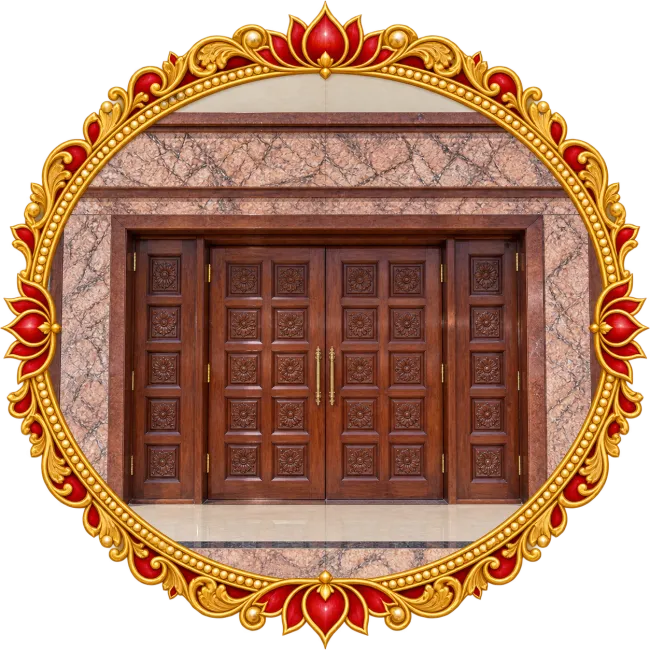
Shri Khatu Shyam Temple Lucknow
Visit Shri Khatu Shyam Temple Lucknow, a prominent spiritual centre dedicated to Baba Shyam, popularly worshipped as “Hare Ka Sahara.” Located on Birbal Sahni Marg near the Gomti River, the temple is known for its beautiful idol of Khatu Shyam Ji, colourful flower decorations, devotional bhajans and peaceful atmosphere.
Devotees visit the temple to seek courage, prosperity, protection and relief from difficult situations. Phalgun Mahotsav, Shyam Janmotsav, Janmashtami, Ekadashi and the temple’s annual foundation festival are celebrated with special Shringar, bhajan evenings, Akhand Jyoti Path and community meals.
About Shri Khatu Shyam Temple Lucknow
Shri Khatu Shyam Temple is situated on Birbal Sahni Marg in the Purana Hyderabad and Nishatganj area of Lucknow, Uttar Pradesh. The temple is located close to the Gomti River and is one of the city’s important centres of Shyam devotion.
The temple is dedicated to Khatu Shyam Ji, who is identified with Barbarika, the grandson of Bhima and son of Ghatotkacha. According to Mahabharata tradition, Barbarika was a fearless warrior who possessed three divine arrows and had promised to fight on behalf of the weaker side.
Lord Krishna tested Barbarika’s devotion before the Kurukshetra War. When Krishna asked for his head as a donation, Barbarika surrendered it without hesitation. Impressed by his sacrifice, Lord Krishna blessed him and declared that he would be worshipped as Shyam in Kali Yuga.
For this reason, devotees lovingly address Khatu Shyam Ji as:
- Hare Ka Sahara
- Sheesh Ke Daani
- Lakhdataar
- Teen Baan Dhaari
- Morvinandan
- Shyam Sarkar
- Khatu Naresh
The Lucknow temple allows devotees to experience the spiritual traditions associated with the famous Khatu Shyam Temple in Sikar, Rajasthan, without travelling outside the city.
History of Shri Khatu Shyam Temple Lucknow
Shri Khatu Shyam Temple in Lucknow was constructed in 2008 through the collective efforts of Shri Shyam Parivar Lucknow and local devotees. The organisation played an important role in establishing the temple and promoting the worship of Khatu Shyam Ji in the city.
The purpose behind its construction was to provide a permanent spiritual centre for the growing community of Shyam devotees in Lucknow. The temple was designed with a spacious prayer area so that large numbers of devotees could attend darshan, aarti, bhajans and religious programmes together.
After its establishment, the temple gradually became known for its grand flower decorations, Shyam Bhajan Sandhya, Akhand Jyoti Path, Bhagavata Katha and charitable activities. The temple’s annual Varshikotsav is celebrated with a special floral Shringar, collective aarti and devotional music.
A Shivalinga and shrines associated with other Hindu deities were also established within the complex. Consequently, devotees visit the temple not only to worship Khatu Shyam Ji but also to perform Shiva Puja, Rudrabhishek and other religious ceremonies.
Today, the temple is managed with the support of Shri Shyam Parivar and devotees. The organisation also undertakes activities such as prasadam distribution, summer drinking-water services, bhandaras and community welfare programmes.
Religious Significance of Khatu Shyam Ji
The story of Khatu Shyam Ji is associated with sacrifice, devotion and support for the weak. Barbarika was a powerful warrior, but he willingly offered his head to Lord Krishna before participating in the Mahabharata War.
Lord Krishna placed Barbarika’s head at a suitable location from where he witnessed the entire battle. When the Pandavas later debated who deserved credit for their victory, Barbarika declared that he had seen only Lord Krishna’s divine power operating throughout the battlefield.
Pleased with his devotion and wisdom, Lord Krishna gave him the name Shyam and granted him the blessing that sincere devotees would worship him in Kali Yuga.
Khatu Shyam Ji is known as Hare Ka Sahara because devotees believe that he supports people who have lost hope. People pray to Baba Shyam for:
- Courage during difficult circumstances
- Success in employment and business
- Family happiness and harmony
- Relief from financial difficulties
- Recovery from illness
- Protection from negative influences
- Marriage and family-related blessings
- Mental peace and confidence
- Fulfilment of sincere wishes
- Spiritual strength and devotion
The temple echoes with chants of “Jai Shri Shyam” and “Hare Ka Sahara, Baba Shyam Hamara,” especially during aarti and bhajan programmes.
Architecture of Shri Khatu Shyam Temple
Shri Khatu Shyam Temple has a beautiful contemporary North Indian architectural design. The temple’s spacious structure allows many devotees to have darshan at the same time.
The main sanctum contains the decorated head-form idol of Khatu Shyam Ji. Baba’s face is adorned with flowers, jewellery, garments and a distinctive crown. The decoration is changed regularly according to festivals, seasons and special religious occasions.
The main prayer hall is used for:
- Collective aarti
- Shyam Bhajan Sandhya
- Akhand Jyoti Path
- Shri Shyam Katha
- Bhagavata Katha
- Festival celebrations
- Religious discourses
- Community programmes
The temple is especially beautiful during evening worship when lamps and decorative lights illuminate the complex. During major festivals, the sanctum is decorated with fresh flowers brought from different regions.
A Shivalinga within the complex allows devotees to worship Lord Shiva. Rudrabhishek and Shiva Puja are performed here, particularly during Shravan and Maha Shivaratri.
The temple also has facilities for drinking water, prasad distribution, religious gatherings and managing queues during crowded celebrations.
Main Deity and Other Shrines
The main deity is Shri Khatu Shyam Ji. The idol depicts Baba Shyam’s sacred head, remembering the supreme sacrifice made by Barbarika.
The temple complex also contains a sacred Shivalinga and shrines associated with other Hindu deities. Devotees may worship:
- Shri Khatu Shyam Ji
- Lord Shiva
- Lord Ganesha
- Radha and Lord Krishna
- Shri Hanuman Ji
- Other traditional Hindu deities
The exact sequence of worship is not compulsory. However, devotees generally offer prayers to Lord Ganesha before proceeding to the main sanctum of Baba Shyam.
Shri Khatu Shyam Temple Lucknow Timings
The regular darshan and worship schedule is as follows:
Aarti and darshan timings may be changed during Phalgun Mahotsav, Ekadashi, Shyam Janmotsav, Janmashtami, Varshikotsav and special bhajan programmes. Devotees attending a particular aarti should confirm the same-day programme at the temple.
Best Time to Visit
The best time for peaceful darshan is between 7:00 AM and 9:00 AM. The temple is comparatively calm during this period, and devotees can attend the morning Shringar Aarti.
Evening between 6:00 PM and 8:00 PM is suitable for visitors who want to witness the illuminated temple and participate in Sandhya Aarti.
Ekadashi is considered especially important for the worship of Khatu Shyam Ji. The temple receives additional visitors on Shukla Paksha Ekadashi and during major festivals.
The Phalgun period is the most spiritually vibrant time to visit. Special Shringar, Nishan Yatra, Holi celebrations, bhajans and bhandaras are organised during this season.
Daily Pujas and Aartis
Mangala Aarti
Mangala Aarti is the first worship of the day. It is performed after the temple opens and marks the beginning of daily darshan.
Shringar Aarti
During Shringar, Baba Shyam is decorated with flowers, garments, jewellery and a crown. Shringar Aarti is one of the most popular times for darshan.
Bhog Aarti
Food offerings are presented to Baba before the morning session closes. The offering is subsequently distributed among devotees as prasad.
Sandhya Aarti
Sandhya Aarti is performed in the evening with lamps, bells and devotional singing. Large numbers of devotees participate in this ritual.
Shayan Aarti
Shayan Aarti is the final worship performed before the temple closes. It marks the ceremonial resting time of Baba Shyam.
Shyam Naam Kirtan
Devotees sing bhajans praising Baba Shyam as Hare Ka Sahara and Sheesh Ke Daani. Kirtans may continue for several hours during special programmes.
Akhand Jyoti Path
Shri Shyam Akhand Jyoti Path narrates the story, sacrifice and divine grace of Baba Shyam. Special programmes may include continuous recitation, bhajans and collective aarti.
Rudrabhishek
Rudrabhishek is performed at the Shiva shrine within the temple. It is particularly important during Shravan, Mondays and Maha Shivaratri.
Major Festivals Celebrated
Phalgun Mahotsav
Phalgun Mahotsav is one of the temple’s largest celebrations. The festival is connected with the Phalgun Mela organised at the original Khatu Shyam Temple in Rajasthan.
The Lucknow temple organises floral Shringar, Nishan Yatra, bhajans, Holi celebrations and community meals. Devotees offer colourful flowers and gulal to Baba Shyam.
Shyam Janmotsav
Shyam Janmotsav is celebrated with grand decorations, a special cake or bhog, bhajan programmes and aarti. Devotees gather in large numbers to celebrate the divine appearance of Baba Shyam.
Janmashtami
Because Khatu Shyam Ji received his name and blessing from Lord Krishna, Janmashtami is celebrated with special enthusiasm. The temple organises Krishna Puja, Shringar, bhajans and midnight celebrations.
Ekadashi
Every Ekadashi is considered auspicious for the worship of Baba Shyam. Devotees observe fasting, offer flowers and participate in bhajans and aarti.
Varshikotsav
The temple’s annual foundation festival is celebrated with divine floral decorations, collective aarti, bhajan performances and prasad distribution.
Maha Shivaratri
Maha Shivaratri is observed at the temple’s Shiva shrine. Devotees perform Jalabhishek and Rudrabhishek and offer bel leaves, milk and flowers.
Jhulan Utsav
During Jhulan Utsav, Baba Shyam is placed on a decorated swing. Devotional music and flower decorations create a joyful spiritual atmosphere.
Nishan Yatra and Shyam Bhajans
Nishan is a sacred flag offered to Khatu Shyam Ji. During important celebrations, devotees participate in a Nishan Yatra while chanting “Jai Shri Shyam.”
Participants usually carry decorated flags and walk towards the temple accompanied by devotional music. The Nishan is offered at the temple as a symbol of surrender, gratitude and faith.
Shyam Bhajan Sandhyas are also important features of the temple’s spiritual calendar. Devotional singers perform songs dedicated to Baba Shyam, Lord Krishna and Radha Rani.
Offerings and Prasad
Devotees may offer:
- Rose flowers
- Rose garlands
- Jasmine flowers
- Tulsi leaves
- Coconut
- Mishri
- Makhana
- Panchmeva
- Churma
- Kheer
- Sweets
- Dry fruits
- Decorative garments
- Nishan or sacred flag
- Ghee lamps
Flowers are among the most popular offerings because Baba Shyam’s Shringar is an important part of daily worship.
Prasad may include mishri, dry fruits, boondi, laddoo or other sweets. During special occasions, Chhappan Bhog and community bhandaras may be organised.
Religious and Social Services
Shri Shyam Parivar is also associated with community welfare activities. These may include:
- Free drinking-water facilities
- Bhandara and prasadam distribution
- Assistance during extreme summer weather
- Religious and cultural programmes
- Cleanliness campaigns
- Support for community welfare
- Spiritual discourses and Bhagavata Katha
- Organisation of devotional events
During summer, special drinking-water and food distribution programmes may be organised for visitors and residents.
Entry Fee and Visit Duration
There is no general entry fee for Shri Khatu Shyam Temple. Darshan is available to all devotees during temple timings.
A normal visit requires 30 to 45 minutes. Visitors attending an aarti should keep one hour available. During Ekadashi and major festivals, darshan may take one to two hours because of longer queues.
Separate contributions may apply for personal pujas, Rudrabhishek, special bhog, Shringar and other religious ceremonies.
Visitor Guidelines
- Wear clean and respectful clothing.
- Remove footwear before entering the temple.
- Maintain silence near the main sanctum.
- Follow the designated darshan queue.
- Avoid touching the idol and decorations.
- Do not use flash photography near the sanctum.
- Keep mobile phones on silent mode.
- Obtain permission before recording aarti or bhajans.
- Do not carry alcohol, tobacco or non-vegetarian food.
- Avoid throwing flowers or packaging on the floor.
- Follow instructions issued by temple volunteers.
- Take care of children and elderly visitors during crowded festivals.
How to Reach Shri Khatu Shyam Temple Lucknow
By Air
Chaudhary Charan Singh International Airport is the nearest airport. Taxis and app-based cabs are available from the airport to Birbal Sahni Marg.
By Train
Badshahnagar Railway Station is one of the nearest convenient railway stations. Lucknow Junction and Charbagh Railway Station provide wider railway connectivity.
Autos, e-rickshaws and taxis are available from all major railway stations.
By Metro
IT College Metro Station is a convenient metro stop for reaching the temple. Visitors can continue from the station by auto-rickshaw, e-rickshaw or taxi.
By Road
The temple is located at Birbal Sahni Marg, Kala Kankar Colony, Purana Hyderabad, Hasanganj, Lucknow. It is accessible from Nishatganj, Daliganj, Hazratganj and Lucknow University.
City buses, autos, e-rickshaws and taxis are easily available.
Nearby Places to Visit
Visitors can also explore:
- Hanuman Setu Temple
- Shri Mankameshwar Temple
- Lucknow University
- Ramakrishna Math
- Chandrika Devi Temple
- Hazratganj
- Gomti Riverfront
- Sikandar Bagh
- Lucknow Zoo
- Residency
- Bara Imambara
Conclusion
Shri Khatu Shyam Temple Lucknow is an important centre of faith, devotion and community service. Established in 2008 through the efforts of Shri Shyam Parivar Lucknow and devotees, the temple provides a sacred place for worshippers of Baba Shyam in the city.
Its beautiful flower Shringar, daily aartis, Ekadashi worship, Phalgun celebrations, bhajan evenings and charitable activities attract devotees throughout the year. The presence of a Shiva shrine also makes the temple important for followers of Lord Shiva.
Baba Shyam’s story teaches that sincere surrender, sacrifice and faith are greater than physical power. Devotees who visit the temple with hope and devotion find strength in the sacred call: “Hare Ka Sahara, Baba Shyam Hamara.”