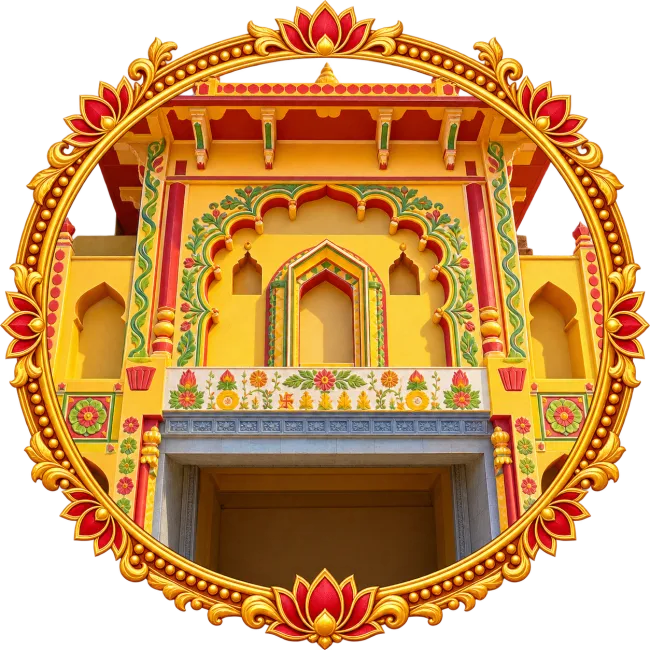
Gulachin Temple Lucknow
Visit Gulachin Temple Lucknow, a popular Hanuman temple located on Kursi Road in the Vikas Nagar–Aliganj area. Also known as Pracheen Gulachin Mandir and Panchmukhi Hanuman Mandir, this sacred place is especially famous for its impressive idol of Panchmukhi Hanuman Ji. Devotees visit the temple to pray for courage, protection, good health and freedom from difficulties.
The temple receives large numbers of visitors on Tuesdays, Saturdays, Hanuman Jayanti and during Lucknow’s famous Bada Mangal celebrations. In addition to Panchmukhi Hanuman Ji, devotees can worship Lord Shiva, Shri Ram Darbar, Radha-Krishna and different forms of the Divine Mother within the temple complex.
About Gulachin Temple Lucknow
Gulachin Temple is a famous Hindu temple situated near Kursi Road in the Vikas Nagar and Aliganj area of Lucknow, Uttar Pradesh. It is primarily dedicated to Lord Hanuman and is widely known for the sacred Panchmukhi form of the deity.
The temple is commonly referred to by several names, including:
- Gulachin Mandir
- Pracheen Gulachin Mandir
- Gulachin Hanuman Mandir
- Panchmukhi Hanuman Mandir
- Gulachin Devi Mandir
The Panchmukhi form of Lord Hanuman displayed at the temple is its principal spiritual attraction. The five faces traditionally associated with Panchmukhi Hanuman are Hanuman, Narasimha, Garuda, Varaha and Hayagriva. Together, these forms represent strength, knowledge, protection, courage and victory over negative influences.
Gulachin Temple is deeply connected with the religious life of nearby communities. Local devotees regularly visit the temple before beginning a new venture, purchasing a vehicle, starting a journey or making an important family decision.
The temple is particularly crowded on Tuesdays and Saturdays because these days are traditionally dedicated to Lord Hanuman. During the Jyeshtha month, every Bada Mangal is celebrated with special aartis, decorations, Hanuman Chalisa recitations, bhajans, bhog and community bhandaras.
History of Gulachin Temple Lucknow
Gulachin Temple is regarded as one of the established Hanuman temples of the Aliganj and Vikas Nagar area. It has developed over several decades through the faith and contributions of local devotees, saints and temple caretakers.
The temple became widely recognised due to the installation and worship of Panchmukhi Hanuman Ji. As the population of Vikas Nagar, Aliganj and the surrounding neighbourhoods increased, the temple gradually emerged as a major religious landmark on Kursi Road.
Different sections and subsidiary shrines were added to the complex over time. Today, the temple contains sacred images of Lord Hanuman, Lord Shiva, Shri Ram Darbar, Radha-Krishna and Hindu goddesses.
Gulachin Temple is also associated with devotional programmes such as Sundarkand Path, Ram Katha, Hanuman Chalisa recitation, havan and community service. Religious organisations and groups of devotees regularly arrange spiritual programmes at the temple.
The temple’s importance is especially visible during Bada Mangal. Thousands of devotees visit the temple during the Jyeshtha month, and special arrangements are made for darshan, drinking water, cooling facilities, crowd management and prasadam distribution.
Significance of Panchmukhi Hanuman Ji
Panchmukhi Hanuman is one of the most powerful forms of Lord Hanuman. “Panchmukhi” means “five-faced,” and each face is associated with a particular direction and divine power.
Hanuman Face
The central face represents Lord Hanuman. It symbolises courage, devotion, physical strength and victory over fear.
Narasimha Face
The Narasimha face represents the protective incarnation of Lord Vishnu. It is worshipped for protection from danger, injustice and harmful influences.
Garuda Face
The Garuda face represents freedom from poison, fear, obstacles and negative energies. Garuda is the divine vehicle of Lord Vishnu.
Varaha Face
The Varaha face symbolises stability, prosperity and protection of the earth. It represents the power to lift devotees out of difficult circumstances.
Hayagriva Face
The Hayagriva face is associated with wisdom, knowledge, concentration and spiritual understanding. Students and people preparing for examinations may pray for success and mental clarity.
Devotees believe that worshipping Panchmukhi Hanuman Ji provides protection from all directions and strengthens the mind. People pray at Gulachin Temple for relief from fear, illness, financial difficulties, family problems and delays in important work.
Architecture of Gulachin Temple
Gulachin Temple follows a traditional North Indian temple design. Its brightly decorated entrance, sacred flags, bells and religious symbols create a devotional atmosphere even before visitors enter the main worship area.
The central shrine houses Panchmukhi Hanuman Ji. The idol is decorated with flowers, garlands, sindoor, sacred cloth and ornaments. During major festivals, the entire shrine is decorated with fresh flowers, lights and colourful fabrics.
The temple complex includes separate spaces for other deities. The layout allows devotees to perform Pradakshina and visit the different shrines in a systematic manner.
A spacious area is also used for collective prayers, Hanuman Chalisa recitation, Sundarkand Path, Ram Katha, bhajans and festival programmes. Shops selling flowers, laddoos, sindoor, oil, coconuts and other puja materials are available near the temple.
Despite being situated on a busy road, the inner worship area provides devotees with a peaceful setting for meditation and prayer.
Main Deity and Other Shrines
The main deity of Gulachin Temple is Panchmukhi Hanuman Ji. Devotees worship him as a powerful protector and remover of difficulties.
Other deities worshipped within the temple complex include:
- Shri Ram, Mata Sita and Lakshman
- Lord Shiva
- Radha and Lord Krishna
- Goddess Durga and other forms of Shakti
- Lord Ganesha
- Other traditional Hindu deities
Devotees generally begin by praying to Lord Ganesha, followed by darshan of Panchmukhi Hanuman Ji. They may then visit Shri Ram Darbar, Lord Shiva, Radha-Krishna and the goddess shrines.
Gulachin Temple Lucknow Timings
The usual visiting schedule of Gulachin Temple is:
On Bada Mangal, the confirmed special schedule generally includes morning aarti at 6:30 AM and Ratri Aarti at 9:30 PM. Darshan may continue for extended hours because of the large number of visitors.
The schedule can change during Hanuman Jayanti, Bada Mangal, Ram Navami and special religious programmes. Visitors planning to participate in a specific aarti or puja should confirm the same-day schedule at the temple.
Best Time to Visit Gulachin Temple
The best time for peaceful darshan is between 7:00 AM and 9:00 AM. The atmosphere is calm during this period, and devotees can attend the morning worship.
Evening darshan between 6:00 PM and 8:00 PM is suitable for visitors who wish to attend the evening puja and see the illuminated temple.
Tuesday and Saturday are the busiest days. Devotees seeking a peaceful visit should come on Monday, Wednesday, Thursday or Friday.
Those who want to experience the temple’s grand devotional atmosphere should visit on Bada Mangal. However, long queues and heavy traffic should be expected on these days.
Daily Pujas and Rituals
Different forms of daily and special worship are performed at Gulachin Temple.
Morning Puja
The morning rituals include cleaning and decorating the shrine, offering flowers, lighting lamps and reciting prayers. The main morning aarti is performed at 6:30 AM.
Hanuman Aarti
Hanuman Ji’s aarti is performed with lamps, bells and devotional singing. Devotees participate by chanting the name of Lord Hanuman and seeking his blessings.
Hanuman Chalisa Path
The Hanuman Chalisa is regularly recited by individual devotees and groups. Special collective recitations may be organised on Tuesdays, Saturdays and Bada Mangal.
Sundarkand Path
Sundarkand, an important section of the Ramcharitmanas, describes the courage, wisdom and devotion of Lord Hanuman. Devotees arrange Sundarkand Path for protection, peace and fulfilment of sincere wishes.
Sindoor Offering
Sindoor is traditionally offered to Lord Hanuman. Devotees may also offer jasmine oil, flowers and sacred cloth according to temple customs.
Ratri Aarti
Ratri Aarti is performed before the conclusion of the day’s principal worship. During Bada Mangal, it is performed at 9:30 PM and attracts a large gathering of devotees.
Major Festivals Celebrated
Bada Mangal
Bada Mangal is the most important celebration associated with Hanuman temples in Lucknow. It is observed on every Tuesday of the Jyeshtha month, generally falling in May and June.
On these Tuesdays, Panchmukhi Hanuman Ji is decorated with flowers, garments, sindoor and ornaments. Morning and night aartis, Hanuman Chalisa recitations, Sundarkand Path and bhajan programmes are organised.
Bhandaras are arranged near the temple and across the surrounding locality. Devotees distribute puri-sabzi, boondi, sherbet, drinking water and other food items without discrimination. This tradition represents service, devotion and the communal harmony for which Lucknow is known.
Hanuman Jayanti
Hanuman Jayanti is celebrated with special Abhishekam, Shringar, aarti, bhajans and prasad distribution. Devotees begin arriving early in the morning and continue visiting throughout the day.
Ram Navami
Lord Hanuman is regarded as the greatest devotee of Lord Rama. Therefore, Ram Navami is celebrated with prayers at Shri Ram Darbar, Ramcharitmanas recitation, bhajans and special aarti.
Diwali
The temple is illuminated with lamps and decorative lights during Diwali. Devotees worship Lord Rama, Goddess Lakshmi and Lord Hanuman and pray for prosperity and protection.
Navratri
The goddess shrines within the complex receive special decorations and worship during Chaitra and Sharadiya Navratri. Devotees offer flowers, chunri, fruits and sweets to the Divine Mother.
Offerings and Prasad
Devotees may offer the following items to Panchmukhi Hanuman Ji:
- Boondi laddoo
- Besan laddoo
- Sindoor
- Jasmine oil
- Red flowers
- Red sacred cloth
- Coconut
- Bananas and seasonal fruits
- Tulsi leaves for Shri Ram
- Ghee or oil lamps
Boondi and laddoo are commonly distributed as prasad. During major festivals and Bada Mangal, community bhandaras provide free meals and refreshments to devotees.
Visitors should purchase puja material from authorised shops and offer it according to the directions given by temple priests.
Spiritual Benefits of Worship
Devotees worship Panchmukhi Hanuman Ji for:
- Protection from fear and danger
- Relief from negative influences
- Courage during difficult situations
- Mental peace and self-confidence
- Success in education and employment
- Family harmony
- Recovery from health difficulties
- Removal of obstacles
- Protection during travel
- Spiritual strength and devotion
Many devotees recite the Hanuman Chalisa, Bajrang Baan, Sankat Mochan Hanuman Ashtak or Sundarkand while visiting the temple.
Entry Fee and Visit Duration
There is no general entry fee for visiting Gulachin Temple. Darshan is open to all devotees during temple hours.
Special ceremonies such as Sundarkand Path, havan, vehicle puja and personal religious rituals may involve separate offerings or charges determined by the temple administration.
A normal visit requires 30 to 45 minutes. On Tuesdays and Saturdays, visitors may need one hour because of longer queues. During Bada Mangal and Hanuman Jayanti, devotees should keep two to three hours available for traffic, parking and darshan.
Visitor Guidelines
Visitors should follow these guidelines:
- Remove footwear before entering the worship area.
- Wear clean and modest clothing.
- Maintain silence near the main shrine.
- Follow the queue and crowd-control arrangements.
- Avoid touching the idol or ritual objects.
- Keep mobile phones on silent mode.
- Obtain permission before taking photographs inside the shrine.
- Do not carry tobacco, alcohol or non-vegetarian food.
- Dispose of flowers and packaging only in designated places.
- Take care of children and elderly family members during crowded festivals.
- Avoid blocking the road while parking vehicles.
- Follow instructions issued by priests, volunteers and local authorities.
How to Reach Gulachin Temple Lucknow
By Air
Chaudhary Charan Singh International Airport is the nearest airport. Taxis and app-based cabs are available from the airport to Gulachin Temple through central Lucknow, Aliganj and Vikas Nagar.
By Train
Lucknow Junction and Charbagh Railway Station are the main railway stations for long-distance travellers. Badshahnagar Railway Station is a convenient local railway station for reaching the Aliganj and Vikas Nagar areas.
Autos, taxis and app-based cabs are available from these stations.
By Metro
Visitors can travel by Lucknow Metro to a suitable station such as IT College, Badshah Nagar or Lekhraj Market and continue towards Kursi Road by auto-rickshaw, e-rickshaw or taxi.
By Road
Gulachin Temple is located on Kursi Road near Vikas Nagar and Aliganj. The temple is well connected by city buses, autos, e-rickshaws and taxis.
Visitors using digital navigation should search for “Gulacheen Mandir, Kursi Road, Sector M, Aliganj, Lucknow.”
Nearby Places to Visit
Visitors may also explore:
- Aliganj Hanuman Temple
- Shri Mankameshwar Temple
- Hanuman Setu Temple
- Chandrika Devi Temple
- Bhootnath Temple
- Ramakrishna Math Lucknow
- Kukrail Forest and Picnic Spot
- Regional Science City
- Dr Ram Manohar Lohia Park
- Gomti Riverfront
- Hazratganj
Conclusion
Gulachin Temple is one of the important Hanuman temples in Lucknow’s Aliganj and Vikas Nagar region. Its sacred Panchmukhi Hanuman idol, traditional worship and connection with the city’s Bada Mangal celebrations make it a significant destination for devotees.
The five-faced form of Lord Hanuman represents protection, strength, knowledge, stability and victory over negative forces. Devotees visit the temple to recite the Hanuman Chalisa, attend aarti, offer sindoor and seek blessings for their health, family and personal well-being.
Whether visited during the peaceful morning hours or the grand celebrations of Bada Mangal, Gulachin Temple offers an uplifting spiritual experience filled with devotion, service and faith in Lord Hanuman.