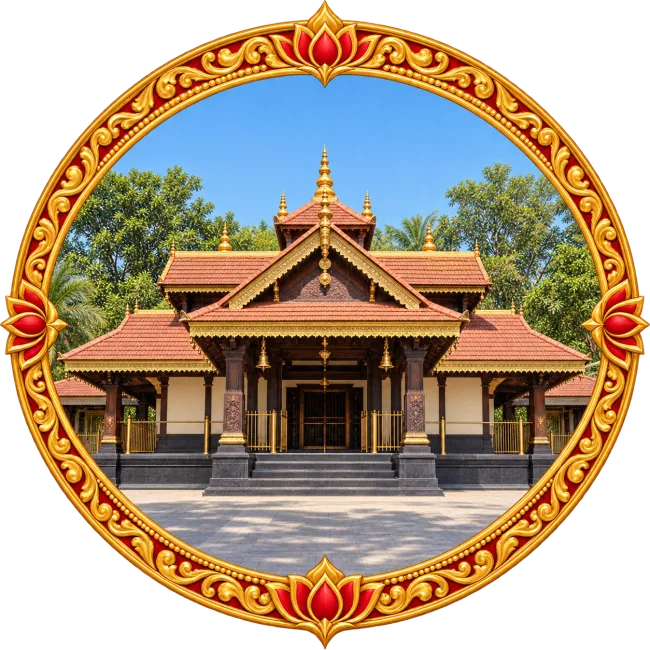
Lord Ayyappa Temple Lucknow
Lord Ayyappa Temple in Lucknow is a prominent South Indian-style temple situated in the Vineet Khand area of Gomti Nagar. Dedicated to Lord Ayyappa, the temple provides devotees with an opportunity to experience traditional Kerala-style worship in the capital of Uttar Pradesh. Its peaceful atmosphere, distinctive architecture and disciplined rituals make it an important spiritual centre for devotees of Lord Ayyappa.
The temple complex also contains shrines dedicated to Lord Ganesha, Lord Shiva, Lord Rama, Goddess Vaishnavi, Goddess Bhadrakali, Lord Hanuman, Navagraha and Nagaraja. Special celebrations during the Mandalam season, Makaravilakku and the temple’s Pratishtha Day attract devotees from Lucknow and neighbouring cities.
About Lord Ayyappa Temple Lucknow
Lord Ayyappa Temple is located in Vineet Khand, Gomti Nagar, Lucknow, Uttar Pradesh. The temple is managed by the Lord Ayyappa Service Society, which was originally established as the Lord Ayyappa Trust in 1983. The organisation was formed by devotees with the objective of constructing a permanent place of worship dedicated to Lord Ayyappa in Lucknow.
A small sanctum existed at the site before the present temple was developed. This sanctum was renovated during 1998–1999, and the temple complex was constructed according to traditional Kerala temple architecture and Vastu Shilpa principles.
The architectural planning of the temple was carried out under the guidance of Sri Kanipayyur Krishnan Namboodiripad, a traditional temple architect from Kerala. The construction of the Sreekovil and Chuttambalam was supervised by Sri Thankappan Achary of Chengannur, Kerala.
The Prana Pratishtha of Lord Ayyappa and the other principal deities was performed on 31 March 1999. The temple therefore celebrates 31 March as its annual Pratishtha Day.
Lord Ayyappa is worshipped as Hariharaputra—the divine son of Lord Shiva and Mohini, the female form assumed by Lord Vishnu. He is also known as Dharma Shasta and Manikanta. Devotees worship him as the protector of dharma and the embodiment of discipline, courage, self-control and spiritual equality.
The temple follows Kerala-style rituals, making it spiritually and culturally distinctive among the temples of Lucknow.
History of Lord Ayyappa Temple Lucknow
The history of Lord Ayyappa Temple began in 1983 with the formation of the Lord Ayyappa Trust. A group of devotees living in Lucknow wanted to create a dedicated spiritual centre where Lord Ayyappa could be worshipped according to South Indian customs.
Initially, worship was conducted in a comparatively small sanctum. As the number of devotees increased, the society decided to construct a larger and more traditionally designed temple.
During 1998–1999, the original sanctum was renovated and the present temple structures were developed. Traditional architects and craftsmen from Kerala were engaged so that the temple could be constructed according to the principles followed in Kerala’s ancient shrines.
The Prana Pratishtha ceremony was conducted on 31 March 1999. During this sacred ceremony, the idols of Lord Ayyappa, Lord Ganesha, Lord Shiva, Lord Rama and Goddess Vaishnavi were ceremonially consecrated.
Additional shrines dedicated to Goddess Bhadrakali, Lord Hanuman, the Navagraha and Nagaraja were subsequently established within the temple premises. Over the years, the complex has also developed facilities for religious ceremonies, community meals, weddings, Annaprasanam and cultural programmes.
Today, Lord Ayyappa Temple is not only a place of worship but also an important centre for preserving Kerala’s spiritual and cultural traditions in Lucknow.
Religious Significance of Lord Ayyappa Temple
Lord Ayyappa occupies a special place in Hindu religious tradition. He is associated with the qualities of truth, dharma, restraint, courage and devotion. His worship teaches devotees to rise above social distinctions and develop purity of mind.
Devotees seek the blessings of Lord Ayyappa for:
- Protection from difficulties and negative influences
- Courage and mental strength
- Success in important endeavours
- Health and family welfare
- Discipline and self-control
- Spiritual development
- Peace and prosperity
- Fulfilment of sincere wishes
The chant “Swamiye Saranam Ayyappa” is commonly recited during worship. It expresses the devotee’s complete surrender to Lord Ayyappa.
Some devotees observe a disciplined period of fasting and spiritual preparation during the Mandalam season. However, an ordinary visitor does not need to undertake the traditional 41-day Ayyappa Deeksha to visit this temple or receive darshan.
Architecture of Lord Ayyappa Temple Lucknow
Lord Ayyappa Temple is built according to traditional Kerala temple architecture. Its design distinguishes it from the predominantly North Indian-style temples found throughout Lucknow.
The most important architectural section is the Sreekovil, or sanctum sanctorum, where the idol of Lord Ayyappa is installed. The sanctum is designed to maintain a peaceful and spiritually concentrated environment.
The Chuttambalam or Nalambalam forms the enclosed structure surrounding the main sanctum. Devotees can walk along the Pradakshina path and offer prayers at the different shrines within the complex.
The sloping roof, traditional lamps, wooden architectural details and carefully planned shrine arrangement reflect Kerala’s temple-building traditions. A ceremonial flagstaff and rows of lamps add to the spiritual beauty of the complex, especially during evening worship and festival celebrations.
The temple also has an Oottupura, or dining hall, and a kitchen used for preparing offerings and community meals. Religious ceremonies such as weddings, Annaprasanam and special pujas may be organised in designated areas of the temple.
Main Deity and Other Shrines
The main deity of the temple is Lord Ayyappa, represented in a meditative yogic posture. His posture symbolises control over the senses, spiritual balance and devotion to dharma.
The temple complex also contains shrines associated with:
- Lord Ganesha
- Lord Shiva
- Lord Rama
- Goddess Vaishnavi
- Goddess Bhadrakali
- Lord Hanuman
- Navagraha
- Nagaraja and Naga Devatas
Devotees traditionally begin their worship by praying to Lord Ganesha and then proceed towards the shrine of Lord Ayyappa. They may subsequently visit the other shrines and complete a respectful Pradakshina of the temple.
Lord Ayyappa Temple Lucknow Timings
The regular darshan and worship schedule is as follows:
Timings may be extended or adjusted during Mandalam Puja, Makaravilakku, Pratishtha Day and other major festivals. Devotees planning special pujas should confirm the schedule directly at the temple office before visiting.
Best Time for Darshan
The best time to visit Lord Ayyappa Temple is between 6:30 AM and 8:00 AM. The temple remains peaceful during this period, and devotees can attend the morning worship without heavy crowds.
For those wishing to experience the illuminated traditional lamps and evening prayers, the period from 6:00 PM to 6:30 PM is ideal. Deepa Aradhana creates a serene atmosphere in which devotees can meditate and chant the name of Lord Ayyappa.
The most spiritually significant period is the Mandalam season, beginning in mid-November and continuing for 41 days. The temple receives more devotees during this season, particularly on weekends and important ritual days.
Daily Pujas and Rituals
Traditional Kerala-style rituals are performed by trained priests. The daily and special worship services may include:
Ganapati Homam
Ganapati Homam is performed to seek the blessings of Lord Ganesha and remove obstacles. It is often conducted before beginning important religious ceremonies.
Abhishekam
The deity may be ceremonially bathed with sacred substances such as water, milk, ghee and sandalwood preparations. The exact Abhishekam schedule depends on the temple calendar.
Archana
During Archana, the names of Lord Ayyappa are recited while flowers are offered. Devotees may arrange an Archana for personal well-being, family prosperity or the fulfilment of a particular prayer.
Deepa Aradhana
Deepa Aradhana is the principal evening worship performed with traditional lamps. It is held from 6:00 PM to 6:30 PM and is one of the most peaceful rituals to attend.
Navagraha Puja
Special prayers may be offered to the nine planetary deities for relief from astrological difficulties and for peace, stability and prosperity.
Naga Puja
Nagaraja and the Naga Devatas are worshipped for family welfare, fertility and protection from Naga-related doshas.
Ayyappa Bhajan
Groups of devotees sing devotional songs and chant “Swamiye Saranam Ayyappa,” especially during the Mandalam season and Makaravilakku celebrations.
Major Festivals Celebrated
Mandalam Puja
Mandalam is the most important worship season associated with Lord Ayyappa. It continues for 41 days, generally from mid-November until late December. Devotees practise self-discipline, simplicity, vegetarianism, prayer and regular temple visits during this period.
Special pujas, bhajans, lamp-lighting ceremonies and community meals are organised at the temple.
Makaravilakku and Makar Sankranti
Makaravilakku is celebrated in January with special worship, lamps, devotional chanting and prasadam distribution. A religious procession may also be organised as part of the celebration.
The temple looks especially beautiful when numerous traditional lamps are lit during the festival.
Pratishtha Day
The annual Pratishtha Day is observed on 31 March, commemorating the consecration of Lord Ayyappa and the other deities in 1999. Special Abhishekam, pujas, bhajans and community meals are organised on this occasion.
Vishu
Vishu, the traditional Kerala New Year festival, is celebrated with special decorations, prayers and darshan. Devotees visit the temple to begin the new year with the blessings of Lord Ayyappa.
Onam
The temple community observes Onam through prayers, cultural gatherings and traditional activities. It is an important occasion for families connected with Kerala’s cultural traditions.
Other festivals such as Maha Shivaratri, Ram Navami, Hanuman Jayanti, Ganesh Chaturthi and Navratri may also be observed at the respective shrines.
Offerings and Prasad
Devotees can offer flowers, coconut, ghee, lamps, fruits and other puja materials to Lord Ayyappa. Some commonly associated offerings include:
- Coconut
- Ghee
- Flowers and garlands
- Appam
- Payasam
- Rice preparations
- Sandalwood paste
- Sesame-oil or ghee lamps
- Sweets and fruits
Prasad is distributed after the completion of important rituals. During major festivals, the temple may organise Annadanam or Bhandara, where devotees receive a community meal.
Devotees undertaking Ayyappa Deeksha may carry an Irumudi as part of the wider Sabarimala pilgrimage tradition. It is not required for ordinary darshan at the Lucknow temple.
Entry Fee and Visit Duration
There is no general entry fee for visiting Lord Ayyappa Temple. Darshan is open to devotees during the prescribed temple timings.
Special pujas, Abhishekam, Archana and religious ceremonies may have separate contribution amounts determined by the temple administration.
A regular visit generally requires 30 to 45 minutes. Devotees attending Deepa Aradhana, special pujas or festival programmes may spend one to two hours within the complex.
Dress Code and Visitor Guidelines
Visitors should follow these guidelines:
- Wear clean, modest and respectful clothing.
- Remove footwear before entering the temple area.
- Maintain silence near the sanctum.
- Avoid touching idols, lamps and ritual objects.
- Do not enter areas reserved for priests.
- Follow the prescribed direction while performing Pradakshina.
- Photography near or inside the sanctum should be avoided unless permission is given.
- Do not carry tobacco, alcohol or non-vegetarian food into the premises.
- Keep mobile phones silent during puja and aarti.
- Help maintain cleanliness throughout the temple complex.
Traditional attire such as dhoti, mundu, sari or salwar suit is suitable but is not compulsory for ordinary visitors unless announced for a particular ceremony.
How to Reach Lord Ayyappa Temple Lucknow
By Air
Chaudhary Charan Singh International Airport is the nearest airport. It is approximately 22 kilometres from the temple. Taxis and app-based cabs are available from the airport to Vineet Khand, Gomti Nagar.
By Train
Gomti Nagar Railway Station is a convenient railway station for reaching the temple. Lucknow Junction and Charbagh Railway Station provide wider long-distance connectivity. The temple is approximately 12 kilometres from the Charbagh railway area.
Autos, e-rickshaws and taxis are available from the railway stations.
By Metro
Visitors may travel by Lucknow Metro to a convenient station on the Red Line and continue towards Gomti Nagar by auto-rickshaw or taxi. Direct metro connectivity to every part of Vineet Khand may not be available.
By Road
The temple is easily accessible from different parts of Lucknow through Gomti Nagar. City buses, auto-rickshaws, e-rickshaws and taxis operate regularly in this area.
Visitors using navigation services should search for “Lord Ayyappa Temple, Vineet Khand, Gomti Nagar, Lucknow.”
Nearby Places to Visit
Visitors may also explore:
- Ambedkar Memorial Park
- Janeshwar Mishra Park
- Dr Ram Manohar Lohia Park
- Gomti Riverfront
- Hanuman Setu Temple
- Shri Mankameshwar Temple
- Hazratganj
- Lucknow Zoo
- Indira Gandhi Pratishthan
Conclusion
Lord Ayyappa Temple in Lucknow is a beautiful centre of faith, spiritual discipline and South Indian culture. Established through the efforts of the Lord Ayyappa Trust and consecrated on 31 March 1999, the temple follows traditional Kerala architectural and ritual practices.
Its peaceful Sreekovil, multiple subsidiary shrines, disciplined daily worship and important celebrations such as Mandalam Puja and Makaravilakku provide devotees with a meaningful spiritual experience. Whether one visits for morning puja, evening Deepa Aradhana or quiet personal prayer, the temple offers an atmosphere of devotion, order and inner peace.
The sacred chant “Swamiye Saranam Ayyappa” captures the central spirit of the temple—complete surrender to Lord Ayyappa and dedication to a life guided by truth, discipline and dharma.