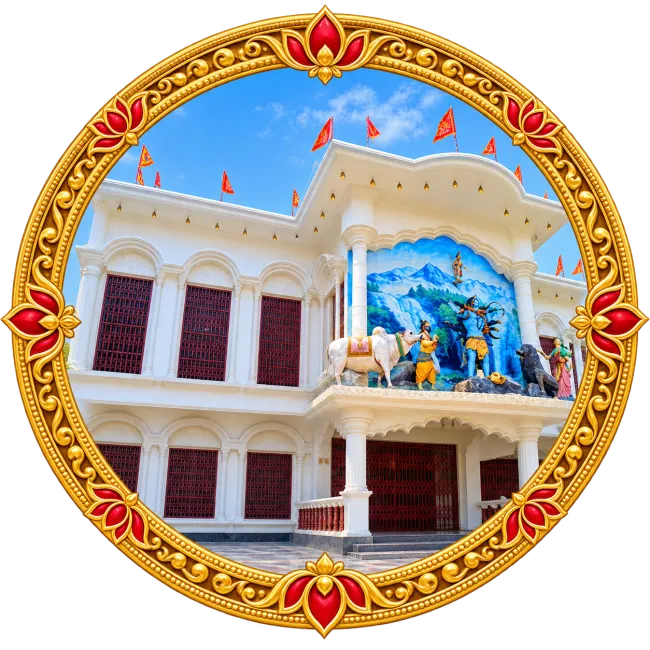
Maa Sharda Shakti Peeth Maihar Devi Temple
Maa Sharda Shakti Peeth Maihar Devi Temple in Jaunpur is a prominent local shrine dedicated to Maa Sharda, the goddess of knowledge, wisdom, speech, music and divine power. Situated in the Paramanatpur area of Jaunpur, the temple is especially popular among students, families and devotees seeking the blessings of “Maihar Wali Maa Sharda.”
The peaceful atmosphere, beautifully decorated deity and regular religious celebrations make it an important spiritual destination in the city. Chaitra Navratri and Sharad Navratri are celebrated with exceptional devotion, while the temple’s annual Shringar Mahotsav attracts devotees from Jaunpur and nearby districts.
About Maa Sharda Shakti Peeth Maihar Devi Temple
Maa Sharda Shakti Peeth Maihar Devi Temple is located in Bankers Colony, Paramanatpur, near Wazidpur Tiraha and Olandganj in Jaunpur, Uttar Pradesh. The temple is dedicated to Maa Sharda, who is worshipped as a manifestation of Goddess Saraswati and Adi Shakti.
The temple is locally associated with the devotional tradition of Maa Sharda of Maihar in Madhya Pradesh. It gives devotees in Jaunpur an opportunity to worship “Maihar Wali Maa” without travelling to the original hill temple at Maihar.
Although the words “Shakti Peeth” form part of the temple’s popular name, the Jaunpur temple should not be confused with the ancient Maa Sharda Temple situated on Trikuta Hill in Maihar, Madhya Pradesh. The shrine in Jaunpur is a modern local centre of devotion inspired by Maa Sharda’s Maihar tradition.
The development of the temple is associated with the devotion and spiritual inspiration of Sant Radheshyam Gupta. Mata Mithilesh Kumari is also remembered for her sacrifice, spiritual discipline and contribution to the shrine. Mahant Surya Prakash Jaiswal played an important role in developing the temple, organizing religious activities and strengthening its place in Jaunpur’s devotional life.
History of Maa Sharda Shakti Peeth Jaunpur
Maa Sharda Shakti Peeth in Jaunpur developed as a modern devotional shrine during the closing years of the twentieth century. Its establishment was inspired by deep faith in Maa Sharda of Maihar and the desire to create a permanent place for her worship in Jaunpur.
Sant Radheshyam Gupta is remembered as an important spiritual inspiration behind the shrine. Mata Mithilesh Kumari contributed through devotion, sacrifice and spiritual service. Later, Mahant Surya Prakash Jaiswal and local devotees worked continuously for the temple’s development and the organization of its religious programmes.
The temple’s annual Shringar Mahotsav has been celebrated since the early 1990s. Over the years, it has grown into a major devotional celebration involving elaborate decoration of the goddess, Akhand Ramcharitmanas recitation, special worship, Chhappan Bhog, devotional music and a community feast.
The growth of the festival reflects the increasing popularity of the temple. What began as a local centre of worship gradually became an important religious destination for residents of Jaunpur and devotees from surrounding areas.
Religious Significance of Maa Sharda
Maa Sharda represents knowledge, wisdom, learning, creativity, speech and spiritual awareness. She is closely identified with Goddess Saraswati, but in the Maihar tradition she is also worshipped as a powerful manifestation of Adi Shakti.
Students commonly visit the temple before examinations or the beginning of a new academic year. Musicians, teachers, writers and artists pray to the goddess for concentration, creativity and success in their work.
Devotees also worship Maa Sharda for:
- Success in education and competitive examinations
- Wisdom and clarity while making important decisions
- Peace and harmony within the family
- Protection from difficulties and negative influences
- Confidence, courage and emotional strength
- Progress in music, art, writing and other creative fields
- Health, prosperity and fulfilment of righteous wishes
Many devotees believe that sincere worship of Maa Sharda removes ignorance and guides a person towards knowledge, discipline and spiritual growth.
Architecture of Maa Sharda Shakti Peeth
The temple follows a modern North Indian architectural style. Its colourful entrance and sacred interior create a welcoming devotional atmosphere. The main sanctum houses the beautifully adorned idol of Maa Sharda.
The goddess is decorated with a crown, jewellery, flowers and red or yellow garments. Her appearance changes during important festivals when special shringar is performed using fresh flowers, colourful fabrics and decorative ornaments.
The temple complex has space for devotees to sit, recite prayers and participate in bhajans. A dharmashala associated with the temple is also used for religious gatherings, community meetings and festival-related activities.
During Navratri and the annual Shringar Mahotsav, the entire temple is illuminated and decorated with flowers, lights and devotional banners. The festive appearance of the shrine is one of its major attractions.
Maa Sharda Shakti Peeth Temple Timings
The regular visitor schedule generally followed at the temple is given below:
Timings may be extended during Chaitra Navratri, Sharad Navratri, Durga Ashtami, the annual Shringar Mahotsav and other major celebrations. Visitors planning to attend a specific aarti should confirm the current schedule with the temple administration before travelling.
Best Time for Darshan
The most peaceful time for darshan is between 06:00 AM and 08:00 AM. The temple is usually less crowded during these hours, and devotees can comfortably participate in the morning worship.
The evening period between 06:30 PM and 08:00 PM is suitable for visitors who wish to attend the evening aarti and experience the illuminated temple.
Navratri is the most spiritually vibrant time to visit. However, the temple receives significantly larger crowds during Ashtami, Navami and the annual Shringar Mahotsav.
Daily Puja and Rituals
Daily worship at Maa Sharda Shakti Peeth begins with the opening of the sanctum and the ceremonial awakening of the goddess. The deity is offered water, flowers, incense, lamps and fresh garments.
Important daily rituals include:
- Morning purification of the sanctum
- Shringar of Maa Sharda
- Sharda Vandana and mantra chanting
- Offering of flowers, incense and lamps
- Recitation of Durga Chalisa or Durga Saptashati
- Morning aarti
- Bhog offering
- Evening puja and aarti
- Distribution of prasadam
Devotees may also recite Saraswati mantras, Maa Sharda prayers and passages from sacred Hindu scriptures.
Major Festivals and Celebrations
Chaitra Navratri
Chaitra Navratri is one of the most important celebrations at the temple. Different manifestations of Goddess Durga are worshipped during the nine days. Special shringar, kalash installation, mantra chanting, bhajans and devotional programmes are organized.
Sharad Navratri
Sharad Navratri attracts large numbers of devotees. The temple is beautifully decorated, and special pujas are performed every day. Ashtami and Navami are particularly important and may include havan, kanya pujan and prasadam distribution.
Annual Shringar Mahotsav
The Shringar Mahotsav is a major annual celebration of the temple. It has been organized since the early 1990s and usually continues for two days.
The programme may include:
- Akhand Ramcharitmanas or Ramayan recitation
- Grand floral decoration of Maa Sharda
- Special puja and aarti
- Chhappan Bhog
- Bhajan sandhya
- Religious and cultural programmes
- Community bhandara
Basant Panchami
As Maa Sharda is associated with knowledge and learning, Basant Panchami holds special importance. Students offer prayers for academic success, concentration and wisdom.
Durga Ashtami and Navami
Special puja, havan, kanya pujan and bhog are organized on these auspicious days. Devotees visit the shrine to seek the blessings of the Divine Mother.
Offerings at the Temple
Devotees may offer the following items to Maa Sharda:
- Red or yellow chunri
- Fresh flowers and garlands
- Coconut
- Fruits and sweets
- Kumkum and sindoor
- Bangles and decorative items
- Incense sticks and ghee lamps
- Batasha, peda or dry fruits
- Books, notebooks and pens as symbolic educational offerings
Offerings should be submitted at the designated counter or handed to the temple priest. Visitors should avoid placing food or other materials directly inside the sanctum unless permitted.
Annual Bhandara and Chhappan Bhog
A community bhandara is organized during the annual Shringar Mahotsav and selected religious occasions. Devotees receive prasadam without discrimination, reflecting the values of service, equality and collective devotion.
Chhappan Bhog, consisting of 56 food preparations, is offered to the goddess during the Shringar Mahotsav. After the ritual, the blessed food is distributed among devotees.
How to Reach Maa Sharda Shakti Peeth Jaunpur
By Road
The temple is located in Bankers Colony, Paramanatpur, near Wazidpur Tiraha, Olandganj and Jaunpur Kutchery. Auto-rickshaws, e-rickshaws and taxis are available from most parts of Jaunpur.
Visitors may ask the driver for “Maa Sharda Shakti Peeth, Paramanatpur” or “Maihar Devi Temple near Wazidpur Tiraha.”
By Train
Jaunpur Junction and Jaunpur City railway stations are the principal stations serving the city. Both are connected with Varanasi, Lucknow, Prayagraj, Ayodhya, Gorakhpur and other major destinations.
Autos and e-rickshaws are available outside the railway stations for the temple.
By Bus
Government and private buses connect Jaunpur with Varanasi, Prayagraj, Lucknow, Sultanpur, Azamgarh and nearby districts. From the Jaunpur bus stand, visitors can hire an auto-rickshaw or e-rickshaw to reach Paramanatpur.
By Air
Lal Bahadur Shastri International Airport in Varanasi is the nearest major airport. It is approximately 45–50 kilometres from Jaunpur. Taxis are available from the airport, while travellers can also reach Jaunpur through Varanasi by train or bus.
Nearby Places to Visit
Visitors may combine their temple visit with other important religious and historical attractions in Jaunpur:
- Sheetala Mata Chaukiya Dham
- Shahi Qila
- Shahi Bridge
- Atala Masjid
- Jama Masjid
- Lal Darwaza Masjid
- Trilochan Mahadev Temple
- Gomti River ghats
Visitor Guidelines
- Wear clean and respectful clothing.
- Remove footwear before entering the worship area.
- Maintain silence near the sanctum.
- Follow separate queues during crowded festivals.
- Do not touch the deity or ritual objects without permission.
- Avoid carrying leather items into the main worship area when restrictions apply.
- Keep the temple premises clean.
- Use designated places for lamps, coconuts and offerings.
- Obtain permission before taking photographs inside the temple.
- Take special care of children and elderly visitors during Navratri.
- Do not hand money to unauthorized individuals.
- Attend the temple early during Ashtami, Navami and Shringar Mahotsav to avoid long queues.
Conclusion
Maa Sharda Shakti Peeth Maihar Devi Temple is an important centre of devotion in Jaunpur. Inspired by the sacred tradition of Maa Sharda of Maihar, the temple represents knowledge, wisdom, strength and divine motherhood.
Its development is associated with Sant Radheshyam Gupta, Mata Mithilesh Kumari, Mahant Surya Prakash Jaiswal and the collective service of local devotees. Daily worship, Navratri celebrations, Chhappan Bhog, bhajan programmes and the annual Shringar Mahotsav have made the shrine a significant part of Jaunpur’s religious life.
Students visit the temple for wisdom and success, while families pray for peace, prosperity and protection. Whether one attends the morning worship, participates in the evening aarti or visits during Navratri, the temple offers a calm and uplifting spiritual experience.