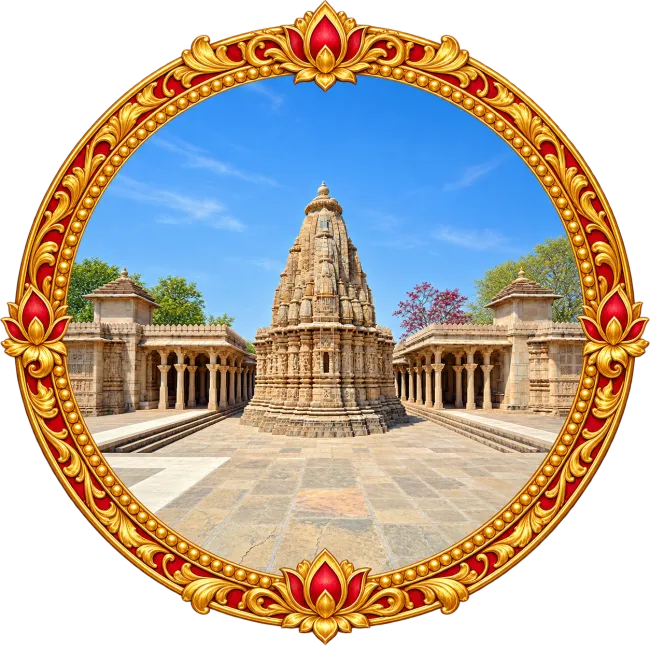
Kalika Mata Temple, Chittorgarh
Visit Kalika Mata Temple in Chittorgarh, an ancient shrine situated within the magnificent Chittorgarh Fort in Rajasthan. Originally constructed as a Sun Temple during the 8th century, the structure was later restored and dedicated to Goddess Kalika, a powerful form of Goddess Durga. The temple is known for its historical importance, beautiful stone carvings, sacred atmosphere and close association with the courage and valour of Mewar.
About Kalika Mata Temple
Kalika Mata Temple is one of the most revered religious places inside Chittorgarh Fort. The temple is dedicated to Goddess Kalika, who is worshipped as a fierce and protective manifestation of Adi Shakti.
The present shrine stands on the remains of an ancient temple originally dedicated to Surya, the Sun God. The earlier structure was built during the 8th century and is regarded as an important example of early medieval temple architecture in Rajasthan.
During the 14th century, the damaged temple was restored under Rana Hamir of Mewar and dedicated to Goddess Kalika. The goddess subsequently became an important guardian deity for the rulers, warriors and residents of the region.
Today, devotees visit the temple to seek courage, protection, strength and victory over difficulties. The temple becomes particularly vibrant during the Navratri festival, when special pujas and devotional programmes are organized.
History of Kalika Mata Temple
The history of Kalika Mata Temple begins during the 8th century, when the original structure was constructed as a temple dedicated to Lord Surya. Local tradition associates its construction with the period of Bappa Rawal, one of the most celebrated early rulers connected with Mewar.
Chittorgarh was already developing as an important political, military and cultural centre during this period. The construction of a grand Sun Temple reflected the importance of Surya worship among early Rajput rulers.
The original shrine contained images and symbols associated with Lord Surya. Some surviving sculptures and architectural elements continue to indicate its original dedication.
The temple suffered substantial damage during medieval attacks on Chittorgarh. Following the siege of Chittor during the beginning of the 14th century, sections of the original structure were destroyed.
Rana Hamir, who re-established Mewar’s authority at Chittorgarh during the 14th century, restored the damaged shrine and dedicated it to Goddess Kalika. The temple subsequently became a prominent Shakti shrine inside the fort.
Later rulers of Mewar continued to support the temple. Repairs and architectural additions were undertaken during different periods, which explains the combination of early Sun Temple elements and later Shakti traditions visible in the structure.
Who Built Kalika Mata Temple?
The original temple was constructed during the 8th century as a shrine dedicated to Lord Surya. Its foundation is traditionally associated with the period of Bappa Rawal and the early rulers of Mewar.
The temple’s historical development can be understood through the following stages:
- The original Surya Temple was constructed during the 8th century.
- Its foundation is associated with the period of Bappa Rawal.
- The temple was damaged during medieval attacks on Chittorgarh.
- Rana Hamir restored the structure during the 14th century.
- Following restoration, the shrine was dedicated to Goddess Kalika.
- Later rulers of Mewar supported repairs and religious activities at the temple.
- Additional architectural elements were introduced during later renovations.
The present building therefore preserves architectural and religious elements from more than one historical period.
Main Deity of Kalika Mata Temple
The principal deity is Goddess Kalika, who is worshipped as a powerful form of Goddess Durga or Bhadrakali. She represents divine energy, courage, protection and the destruction of negative forces.
Goddess Kalika is worshipped by devotees seeking:
- Protection from negative influences
- Courage during difficult circumstances
- Victory over obstacles
- Physical and emotional strength
- Peace and prosperity in the family
- Success in personal and professional life
- Protection of children and family members
The goddess has also traditionally been associated with the bravery of Mewar’s warriors. Before important journeys or battles, rulers and soldiers would seek the blessings of protective deities.
Akhand Jyoti at the Temple
A sacred lamp known as the Akhand Jyoti is associated with Kalika Mata Temple. According to temple tradition, the continuously burning flame symbolizes the eternal presence and protective energy of the goddess.
The tradition of the sacred lamp is associated with the rulers of Mewar and has been maintained as an important part of worship. Devotees offer prayers before the flame and seek the blessings of Goddess Kalika.
Visitors should maintain silence near the sacred lamp and should not attempt to touch it or enter restricted ritual areas.
Religious Significance
Kalika Mata Temple is an important centre of Shakti worship in Chittorgarh. Goddess Kalika represents the divine power that destroys evil, protects devotees and restores righteousness.
The temple’s location inside Chittorgarh Fort gives it additional cultural significance. The fort witnessed several battles, sieges and acts of extraordinary courage. The worship of a powerful protective goddess reflects the fort’s historical association with bravery, sacrifice and resistance.
For many local families, Goddess Kalika is worshipped as a guardian deity. She is also honoured as a Kuldevi by certain Rajput communities.
Devotees believe that sincere prayer at the temple provides inner strength and helps them overcome fear, uncertainty and personal difficulties.
Architecture of Kalika Mata Temple
Kalika Mata Temple is an important example of early North Indian temple architecture. The building stands on a raised platform and contains architectural elements belonging to its original Surya Temple and later Shakti shrine.
Raised Platform
The temple is built on an elevated stone platform. This increases its visual prominence and provides a commanding view of the surrounding fort area.
Visitors reach the main entrance by climbing stone steps. The elevated platform also separates the sacred structure from the surrounding ground.
Entrance Porch
The entrance porch is supported by carved stone pillars. Sculptural panels and decorative patterns can be observed around the doorway and on the surviving architectural surfaces.
The entrance leads devotees into the mandapa before they proceed toward the sanctum.
Mandapa
The mandapa is the pillared prayer hall in front of the main sanctum. It was traditionally used for religious gatherings, ritual performances and prayers.
The pillars display carved designs, while the ceiling contains decorative patterns arranged in balanced geometric forms.
Garbhagriha
The garbhagriha is the innermost sanctum where the principal image of Goddess Kalika is installed. It is the most sacred section of the temple, and devotees offer prayers from the designated darshan area.
Surya Sculptures
Although the temple is now dedicated to Goddess Kalika, several surviving sculptures reflect its original association with Lord Surya. Images connected with the Sun God can be observed in the architectural decoration and exterior niches.
These sculptures provide important evidence of the building’s earlier religious identity.
Shikhara
The tower above the sanctum has undergone repairs and modifications during different historical periods. Its vertical design draws attention upward and marks the location of the principal deity.
Stone Carvings
The temple’s pillars, doorway, walls and ceiling contain carvings of:
- Divine figures
- Floral patterns
- Geometric designs
- Musicians and celestial beings
- Sacred symbols
- Mythological forms
- Decorative bands
- Figures associated with Surya worship
Although parts of the original decoration have been damaged, the surviving carvings demonstrate the skill of early Rajasthan stone craftsmen.
Kalika Mata Temple Timings
The temple’s commonly followed darshan periods are 6:00 AM–12:00 PM and 4:00 PM–8:00 PM. Ritual timings can change during Navratri, festivals and special ceremonies. Visitors attending a specific aarti should confirm the day’s schedule after reaching the temple.
Access to the temple also depends on the operating arrangements of Chittorgarh Fort. Visitors should enter the fort with enough time to reach the temple before the scheduled closure.
Best Time for Darshan
The best time for morning darshan is between 7:00 AM and 9:00 AM. The atmosphere remains peaceful, the weather is comfortable and devotees can offer prayers before the main sightseeing crowds arrive.
For evening darshan, visitors can reach between 5:30 PM and 7:00 PM. This allows sufficient time to explore the temple and attend Sandhya Aarti.
The best season to visit Chittorgarh is from October to March. The weather remains suitable for walking and exploring the large fort complex. Summers can be extremely hot, particularly during the afternoon.
Daily Puja and Aarti
Daily worship at Kalika Mata Temple generally includes:
- Opening of the sanctum
- Cleaning and preparation of the deity
- Offering of water and sacred items
- Application of kumkum and sindoor
- Offering of flowers and garlands
- Lighting of incense and lamps
- Recitation of Durga and Kali mantras
- Morning puja
- Bhog offering
- Evening puja
- Sandhya Aarti
- Closing prayers
The exact sequence may change according to the Hindu calendar and instructions of the temple priests.
Devotees commonly chant mantras dedicated to Goddess Durga, Kali and Bhadrakali. During Navratri, additional recitations, devotional songs and special pujas are performed.
Major Festivals
Chaitra Navratri
Chaitra Navratri is one of the most important celebrations at Kalika Mata Temple. Devotees visit the shrine for nine days to worship different forms of Goddess Durga.
Special pujas, aartis, mantra recitations and devotional programmes are organized during the festival.
Sharad Navratri
Sharad Navratri attracts a large number of pilgrims from Chittorgarh and nearby districts. The temple is decorated with flowers and lights, and devotees offer chunri, coconuts and garlands.
Durga Ashtami
Durga Ashtami is dedicated to the powerful form of the goddess. Special prayers and offerings are performed, and devotees seek courage and protection.
Navami
Navami marks the concluding phase of Navratri worship. Devotees participate in special puja, aarti and religious ceremonies.
Diwali
Lamps are lit during Diwali, symbolizing the victory of light over darkness. Devotees visit the temple to pray for happiness, prosperity and protection.
Kali Puja
Kali Puja is observed with special worship of Goddess Kalika. Lamps, flowers and devotional prayers form part of the celebrations.
Offerings at Kalika Mata Temple
Devotees may offer:
- Red flowers
- Flower garlands
- Coconut
- Chunri
- Kumkum
- Sindoor
- Incense
- Oil or ghee lamps
- Sweets
- Fruits
- Monetary donations
- Items used for Shringar
Offerings should be submitted only at the designated place or handed to an authorized priest. Visitors should avoid leaving plastic packaging inside the temple.
Entry Fee and Visit Duration
Ticket prices and visitor arrangements for Chittorgarh Fort can change. Travellers should check the rates displayed at the official ticket counter.
How to Reach Kalika Mata Temple
Location Inside Chittorgarh Fort
The temple is situated inside Chittorgarh Fort, between the Vijay Stambh area and Padmini Palace route. Visitors can reach it by walking, hiring a local auto-rickshaw or using a private vehicle permitted within the fort.
The fort is extensive, so first-time visitors may benefit from hiring an authorized guide or local vehicle.
By Air
Maharana Pratap Airport in Udaipur is the nearest airport. It is approximately 90–100 kilometres from Chittorgarh.
Taxis and buses are available from Udaipur to Chittorgarh.
By Train
Chittorgarh Junction is the nearest railway station. It is connected with Udaipur, Jaipur, Ajmer, Kota, Delhi, Ratlam and other cities.
Auto-rickshaws and taxis are available from the railway station to Chittorgarh Fort.
By Road
Chittorgarh is well connected by road with:
- Udaipur
- Jaipur
- Ajmer
- Kota
- Bhilwara
- Neemuch
- Bundi
Government buses, private buses and taxis operate regularly. From Chittorgarh city, visitors can hire an auto-rickshaw or taxi to reach the fort.
Nearby Places to Visit
Visitors can explore the following attractions inside and near Chittorgarh Fort:
- Vijay Stambh
- Kirti Stambh
- Rana Kumbha Palace
- Padmini Palace
- Meera Temple
- Kumbha Shyam Temple
- Gaumukh Kund
- Fateh Prakash Palace Museum
- Samadhisvara Temple
- Satbees Deori Jain Temple
- Ratan Singh Palace
- Tulja Bhawani Temple
- Jauhar Sthal
- Chittorgarh Fort viewpoints
Since the fort complex is large, visitors should keep at least half a day for sightseeing.
Visitor Guidelines
- Remove footwear before entering the shrine.
- Wear modest and respectful clothing.
- Maintain silence near the sanctum.
- Do not touch the deity or sacred objects.
- Ask permission before taking photographs inside.
- Avoid photography during puja and aarti.
- Do not damage or touch the ancient carvings.
- Place offerings only in designated areas.
- Do not leave plastic, food packets or waste inside the temple.
- Keep children under supervision near steps and elevated platforms.
- Carry drinking water while exploring the fort.
- Visit early during summer to avoid extreme heat.
- Follow instructions provided by priests and fort authorities.
- Allow sufficient time to exit the fort after evening darshan.
Conclusion
Kalika Mata Temple is one of the most important religious and historical landmarks inside Chittorgarh Fort. Originally constructed as an 8th-century Sun Temple and restored as a shrine of Goddess Kalika during the 14th century, it reflects the changing religious traditions and resilient history of Mewar.
Its ancient sculptures, carved pillars, elevated platform, surviving Surya images and sacred sanctum make it valuable both as a place of worship and as an architectural monument.
Devotees visit the temple to seek strength, courage and protection from Goddess Kalika, while travellers come to understand the spiritual heritage of Chittorgarh. A visit to this temple, combined with the palaces, towers and sacred sites of Chittorgarh Fort, offers a memorable experience of Rajasthan’s history, devotion and architectural splendour.