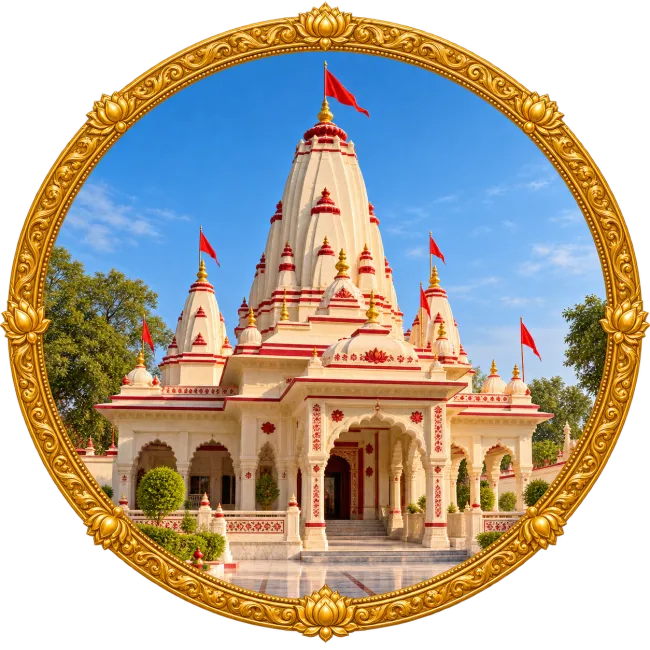
Kali Temple Amroha
Visit Kali Temple Amroha, a revered shrine dedicated to Maa Kali, the powerful and protective form of Goddess Shakti. Located in the Fazalpur area of Amroha, the temple is known for its peaceful atmosphere, daily aartis, traditional worship and grand Navratri celebrations. Devotees visit the temple to seek strength, protection, prosperity and freedom from fear and negative influences.
About Kali Temple Amroha
Kali Temple Amroha, also known locally as Maa Kali Mandir, is an important centre of Shakti worship in Amroha, Uttar Pradesh. Maa Kali is worshipped here as the divine mother who destroys evil, protects her devotees and provides courage during difficult situations.
The temple is located close to the historic Vasudev Tirth, Meera Baba Dham, Tulsi Park and the sacred pond in Fazalpur. The presence of several religious sites in the surrounding area makes it an important spiritual destination in Amroha.
The temple receives a large number of devotees during Navratri, Kali Puja, Durga Ashtami, Amavasya and other festivals dedicated to the Divine Mother. Tuesdays and Saturdays are also considered auspicious for worshipping Maa Kali.
Location of Kali Temple Amroha
Kali Temple is situated in the Fazalpur area of Amroha city. It is located close to Vasudev Road and the Vasudev Tirth religious complex.
Address: Maa Kali Mandir, Fazalpur, near Vasudev Tirth, Amroha, Uttar Pradesh – 244221
Auto-rickshaws, e-rickshaws and taxis are available from Amroha Railway Station, the bus stand and other parts of the city.
History of Kali Temple Amroha
Kali Temple Amroha developed as a local centre of Shakti worship in the historic Fazalpur religious area. The shrine has been worshipped by generations of local families who regard Maa Kali as a protective mother and guardian deity.
According to regional tradition, spiritual practitioners and devotees worshipped the Divine Mother at this place before the development of the present temple structure. A shrine dedicated to Maa Kali was later constructed and gradually expanded through the contributions of local devotees and temple caretakers.
The present temple building is the result of successive construction and renovation carried out by the local devotee community. The shrine’s location near the ancient Vasudev Tirth and Meera Baba Dham has also contributed to its religious importance.
Over time, additional prayer areas, facilities for devotees and space for festival celebrations were developed. Today, the temple serves as an important centre for daily worship, Navratri celebrations, Kali Puja and community religious programmes.
Religious Significance of Kali Temple
Maa Kali represents the power that destroys darkness, ignorance, fear and injustice. Although her appearance is fierce, devotees worship her as a compassionate mother who protects those who surrender to her with complete faith.
Devotees visit the temple to pray for:
- Protection from fear and negative influences
- Courage during difficult situations
- Peace and stability within the family
- Good health and recovery from illness
- Success in employment and business
- Protection from enemies
- Removal of obstacles
- Strength to overcome stress and anxiety
- Prosperity and financial stability
- Fulfilment of wishes
- Spiritual growth and inner confidence
The temple is especially important for devotees who worship Maa Kali as their family deity or protective goddess.
Architecture of Kali Temple Amroha
Kali Temple follows a traditional North Indian temple style. The temple structure reflects the simplicity of a regional community shrine while incorporating decorative elements associated with Shakti worship.
The main sanctum houses the sacred idol of Maa Kali. The Goddess is decorated with colourful clothes, flowers, garlands, ornaments, sindoor and a crown during daily Shringar.
Important features of the temple include:
- Main sanctum of Maa Kali
- Traditional Shikhara
- Decorated entrance
- Sacred lamps and bells
- Prayer and meditation area
- Space for bhajans and kirtans
- Smaller shrines dedicated to Hindu deities
- Puja material and prasad counter
- Open area for festival celebrations
- Proximity to Vasudev Tirth and its sacred pond
Red and white colours are commonly used in the temple decorations, representing divine energy and purity.
Kali Temple Amroha Timings
The temple follows morning and evening darshan schedules.
The temple may remain open for extended hours during Navratri, Kali Puja, Durga Ashtami and other special religious occasions.
Best Time for Darshan
The best time for peaceful darshan is between 6:00 AM and 8:00 AM. Devotees can attend the morning aarti and complete their worship before the temple becomes crowded.
For evening darshan and aarti, visitors should arrive between 6:30 PM and 7:15 PM.
Tuesdays, Saturdays, Ashtami and Amavasya attract more devotees. Visitors seeking a quieter experience should visit on a weekday morning.
Daily Puja and Rituals
Daily worship at Kali Temple generally includes:
- Cleaning and purification of the sanctum
- Morning Abhishekam
- Shringar of Maa Kali
- Offering of flowers and garlands
- Recitation of Durga Chalisa
- Kali mantras and Devi stotras
- Morning aarti
- Bhog offering
- Evening lamp lighting
- Evening puja and aarti
- Distribution of prasadam
The Goddess is decorated in different forms during Navratri and other important Shakti festivals.
Special Pujas
Kali Puja
Kali Puja includes special decoration, mantra chanting, lamp offerings, bhog and night worship of Maa Kali.
Durga Saptashati Path
Devotees arrange Durga Saptashati Path to pray for protection, prosperity and the removal of obstacles.
Navratri Puja
Special worship is conducted during both Chaitra and Sharadiya Navratri. The nine forms of Goddess Durga are worshipped on the nine festival days.
Ashtami Puja
Durga Ashtami is observed with special prayers, havan, Kanya Pujan and prasad distribution.
Amavasya Puja
Special prayers and lamp offerings are performed on Amavasya. Devotees worship Maa Kali for protection and spiritual strength.
Wish-Fulfilment Puja
Devotees may arrange individual pujas for health, family peace, professional success and fulfilment of personal wishes.
Offerings and Prasad
Devotees commonly offer the following items to Maa Kali:
- Red flowers
- Hibiscus flowers
- Red chunri
- Sindoor
- Kumkum
- Bangles
- Coconut
- Fruits
- Sweets
- Incense sticks
- Camphor
- Ghee or mustard-oil lamps
- Black gram
- Halwa and puri
Halwa, puri, black gram, sweets and fruits are commonly distributed as prasadam.
Offerings should be submitted only at the designated counter or according to the instructions of the temple priest.
Major Festivals Celebrated
Sharadiya Navratri
Sharadiya Navratri is one of the largest celebrations at the temple. Maa Kali is decorated with flowers, clothes and ornaments, while devotees participate in aarti, bhajans and religious recitations.
Chaitra Navratri
Special pujas are conducted for nine days. Devotees observe fasts and participate in Durga Saptashati Path, havan and Kanya Pujan.
Kali Puja
Kali Puja is celebrated with special Shringar, lamp decoration, mantra chanting and night worship. The festival generally coincides with the Diwali period.
Durga Ashtami
Special worship, havan, Kanya Pujan and prasad distribution are organised on Durga Ashtami.
Kalaratri Puja
The seventh day of Navratri is dedicated to Maa Kalaratri. Special prayers are offered for courage and protection.
Diwali
The temple is decorated with lamps and lights. Devotees offer prayers to Maa Kali for the removal of darkness and negativity.
Amavasya
Amavasya is considered significant for Kali worship. Devotees light lamps and offer prayers for divine protection.
Tuesdays and Saturdays
Special pujas, Chalisa recitation and evening aarti are organised on these days.
Entry Fee
There is no entry fee for visiting Kali Temple Amroha.
General darshan and regular aarti are free. Charges may apply for individual pujas, havans, Durga Saptashati Path or other ceremonies arranged through the temple priest.
Best Season to Visit
The most comfortable time to visit the temple is from October to March, when the weather in Amroha remains pleasant.
Devotees may also plan their visit during:
- Sharadiya Navratri
- Chaitra Navratri
- Kali Puja
- Diwali
- Durga Ashtami
- Amavasya
- Tuesday or Saturday worship
During summer, early morning and evening visits are more comfortable.
How to Reach Kali Temple Amroha
By Train
Amroha Railway Station is the nearest railway station. It is connected with Delhi, Ghaziabad, Hapur, Moradabad, Bareilly and other cities.
The temple is approximately 3–4 km from the railway station. Auto-rickshaws and e-rickshaws are available outside the station.
By Road
Amroha is well connected by road with Delhi, Hapur, Gajraula, Moradabad, Meerut and Bijnor.
UPSRTC and private buses operate regularly to Amroha. From the bus stand, visitors can hire an auto-rickshaw or e-rickshaw for Fazalpur or Vasudev Tirth.
By Air
Moradabad Airport is the nearest regional airport. Flight availability may be limited.
Indira Gandhi International Airport in Delhi is the nearest major airport. Visitors can travel from Delhi to Amroha by train, bus or taxi.
Approximate Distances
Travel distance may vary according to the selected route.
Nearby Places to Visit
Visitors can also explore:
- Shri Vasudev Temple
- Meera Baba Dham
- Tulsi Park
- Sacred pond of Vasudev Tirth
- Ancient Shiva Lingam
- Hanuman shrine
- Shri Balaji Maharaj Temple
- Shah Wilayat Dargah
- Jama Masjid Amroha
- Brijghat and Garh Ganga
Suggested Visit Plan
Begin the visit with darshan of Maa Kali and offer flowers, chunri or coconut at the designated counter. Attend the morning or evening aarti and spend a few minutes reciting Durga Chalisa or Kali mantras.
After completing darshan, visitors can explore Vasudev Temple, Meera Baba Dham, the ancient Shiva Lingam, sacred pond and Tulsi Park.
A complete visit to the religious complex generally takes one to two hours. Additional time should be planned during Navratri and Kali Puja.
Visitor Guidelines
- Remove footwear before entering the temple.
- Wear modest and respectful clothing.
- Maintain silence near the main sanctum.
- Do not touch the idol without permission.
- Offer puja materials only at the designated place.
- Follow the queue during crowded festivals.
- Avoid carrying leather items into restricted areas.
- Keep the temple complex clean.
- Do not throw flowers, plastic or puja materials into the pond.
- Use only authorised donation boxes.
- Follow photography restrictions inside the sanctum.
- Confirm special puja timings before travelling.
- Take care of children and senior citizens during festival crowds.
Conclusion
Kali Temple Amroha is an important centre of Shakti worship and spiritual devotion in the city. The sacred presence of Maa Kali, daily aartis, colourful Shringar and grand Navratri celebrations create a powerful and peaceful atmosphere for devotees.
Its location near Vasudev Tirth, Meera Baba Dham and Tulsi Park makes it part of an important religious area in Amroha. Devotees seeking courage, protection, inner strength and peace can experience deep spiritual comfort through worship at this sacred temple.